The Ultimate Bone-In Rib Roast Recipe: A Culinary Masterpiece
Prep time: 25 minutes | Cook time: 3-4 hours (depending on size) | Servings: 6-8
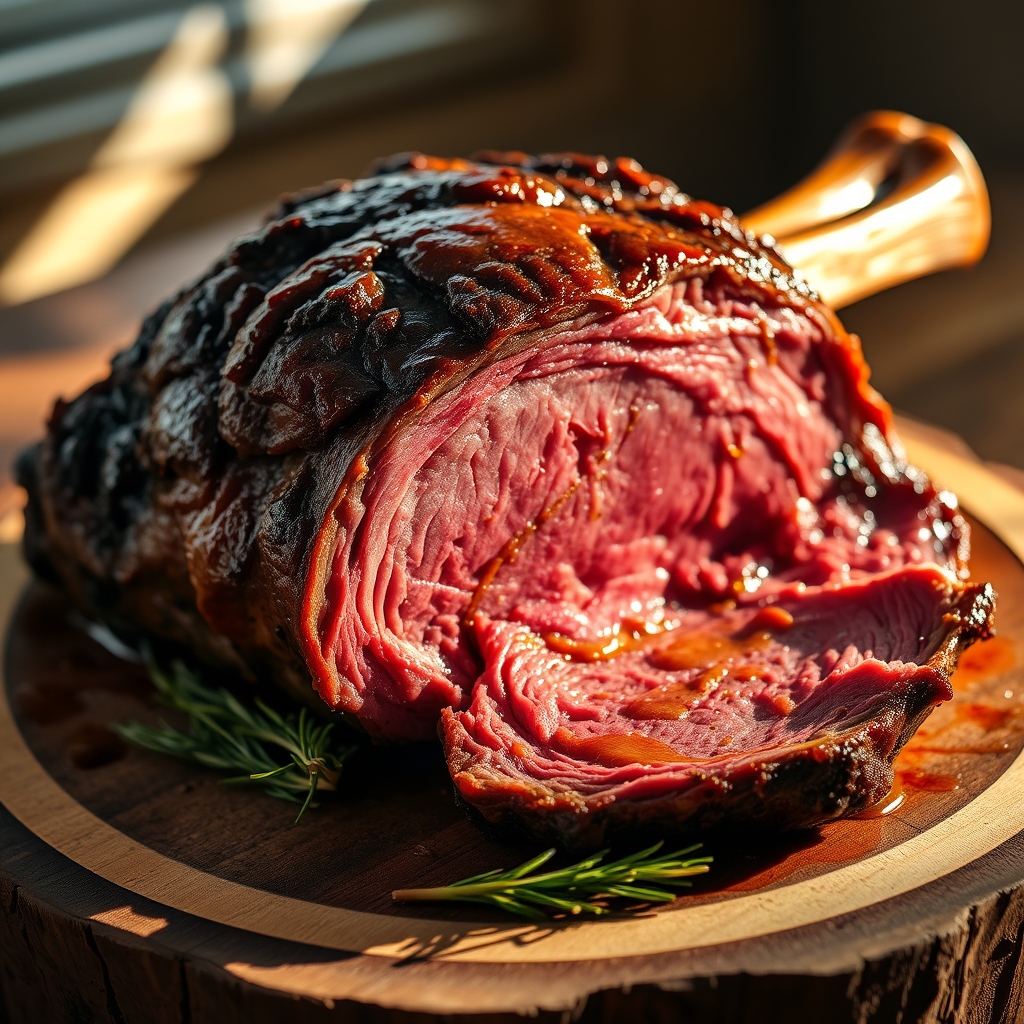
There are few dishes that exude elegance and celebratory spirit quite like a perfectly roasted bone-in rib roast. Also known as a prime rib roast, this magnificent cut of beef is a showstopper for any holiday feast, special occasion, or simply when you want to indulge in something truly exceptional. The bone not only adds incredible flavor during the cooking process but also helps to insulate the meat, ensuring a juicier, more tender result. Mastering the art of roasting a bone-in rib roast might seem daunting, but with the right technique and a little patience, you’ll be serving up a restaurant-quality centerpiece that will have your guests raving.
This recipe breaks down the process, demystifying the steps to achieve that coveted crispy exterior and a rosy pink, melt-in-your-mouth interior. We’ll focus on simple seasonings that let the quality of the beef shine through, along with a foolproof roasting method that minimizes the risk of overcooking. Get ready to transform your kitchen into a gourmet steakhouse!
Ingredients
For the Roast
- 1 (4-6 pound) bone-in beef rib roast (prime rib)
- 2 tablespoons olive oil
- 2 teaspoons kosher salt
- 1 teaspoon freshly ground black pepper
- 1 teaspoon garlic powder
- 1 teaspoon dried thyme
- 1 teaspoon dried rosemary
Optional Accompaniments
- Au Jus or horseradish sauce, for serving
How to Make It
Preparation is Key
- Bring to Room Temperature: This is a crucial step for even cooking. Remove the rib roast from the refrigerator at least 2-3 hours before cooking. Place it on a clean surface, uncovered. This allows the meat to temper, preventing a cold center after roasting.
- Preheat the Oven: When ready to cook, preheat your oven to 450°F (230°C). Place an oven-safe rack inside a sturdy roasting pan.
- Prepare the Seasoning Rub: In a small bowl, combine the kosher salt, black pepper, garlic powder, dried thyme, and dried rosemary.
Roasting to Perfection
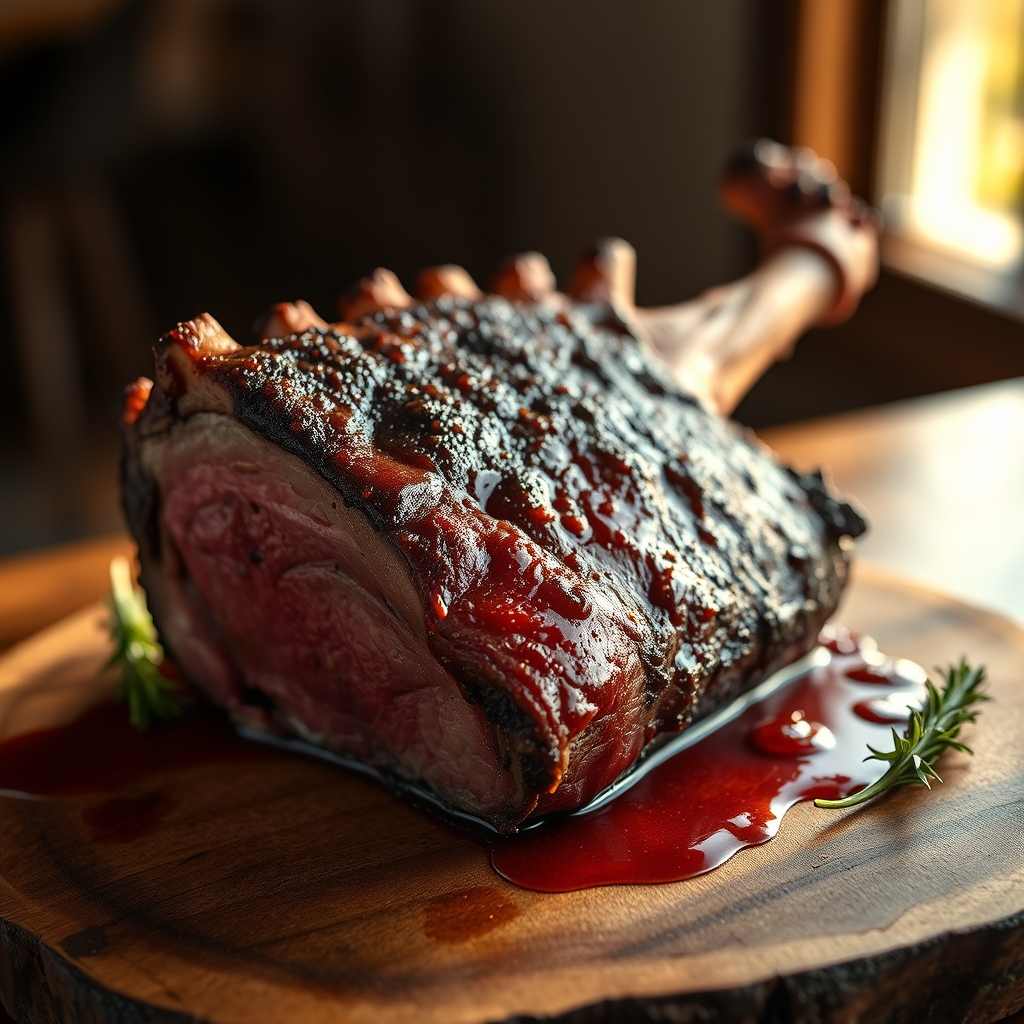
- Season the Roast: Pat the rib roast dry with paper towels. Drizzle the olive oil all over the roast, then rub it in to coat the surface evenly. Sprinkle the prepared herb and spice mixture generously over all sides of the roast, pressing it gently to adhere. Make sure to season the ends and any exposed meat.
- Sear at High Heat: Place the seasoned roast, bone-side down, on the prepared rack in the roasting pan. Carefully place the pan into the preheated 450°F (230°C) oven. Roast for 15 minutes. This initial high heat helps to create a beautiful crust.
- Reduce Heat and Continue Roasting: After 15 minutes, reduce the oven temperature to 325°F (160°C). Continue roasting for approximately 13-15 minutes per pound for medium-rare, or until a meat thermometer inserted into the thickest part of the roast (avoiding the bone) registers 120-125°F (49-52°C).
- Rest the Roast: Once the desired internal temperature is reached, remove the roast from the oven. Transfer it to a cutting board and tent loosely with foil. Let it rest for at least 20-30 minutes before carving. This is crucial for allowing the juices to redistribute throughout the meat, resulting in a tender and moist roast. Skipping this step will lead to juices running out when you slice.
- Carve and Serve: After resting, use a sharp carving knife to slice the roast away from the bones. Then, slice the meat crosswise into desired thickness. Serve immediately with your favorite au jus or horseradish sauce.
Tips and Serving Ideas
Achieving the Perfect Doneness
The key to a perfect bone-in rib roast is temperature. Invest in a reliable instant-read meat thermometer. For medium-rare, aim for an internal temperature of 120-125°F (49-52°C) before resting. The temperature will rise an additional 5-10°F during the rest period, bringing it to a perfect medium-rare (130-135°F or 54-57°C). If you prefer medium, pull it out at 130-135°F (54-57°C) before resting. Remember, carrying over cooking is significant for larger cuts of meat.
Enhancing the Flavor
While the simple herb rub is fantastic, you can customize it. Consider adding a pinch of smoked paprika for a subtle smoky note, or a bit of onion powder for added depth. For a richer crust, some people like to spread a compound butter (butter mixed with fresh herbs like parsley, chives, and a touch of garlic) over the roast during the last 30 minutes of cooking, though this method can sometimes lead to uneven browning if not done carefully. The bone provides a natural flavor boost that you simply can’t replicate with boneless roasts.
Serving Suggestions
A classic pairing for prime rib is creamy horseradish sauce or a rich au jus. Creamed spinach, roasted asparagus, garlic mashed potatoes, or roasted root vegetables are also excellent accompaniments. For a truly decadent meal, consider serving it alongside Yorkshire puddings – the savory drippings are perfect for making this traditional side dish. A robust red wine, such as a Cabernet Sauvignon or a Syrah, complements the richness of the beef beautifully.
Conclusion
Roasted bone-in rib roast is more than just a meal; it’s an experience. It signifies celebration, abundance, and a shared moment of culinary delight. By following these straightforward steps—from bringing the roast to room temperature, to the high-heat sear, slow roast, and essential resting period—you can confidently prepare this impressive dish. The rich flavor imparted by the bone, combined with a perfectly cooked interior and a savory crust, makes this a truly unforgettable centerpiece. Gather your loved ones, prepare this magnificent beef bone-in rib roast, and savor every delicious bite.