Classic Stove-Top Beef Stew: A Hearty & Simple Recipe
Prep time: 25 minutes | Cook time: 2.5 hours | Servings: 6-8
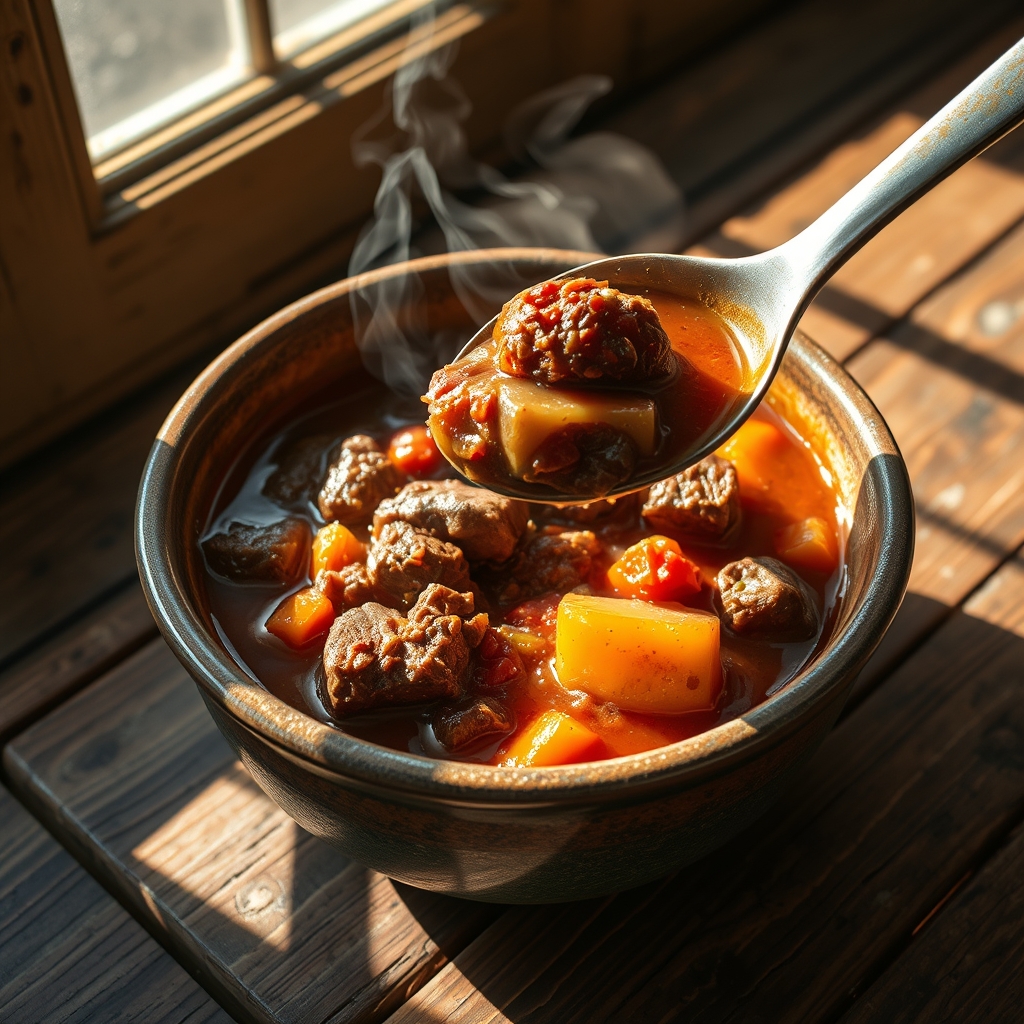
There’s something incredibly comforting about a bubbling pot of beef stew. On a chilly evening or when you just need a taste of home, this classic stove-top beef stew recipe is your answer. Unlike oven-baked versions, this method relies on gentle simmering on your stovetop, allowing the flavors to meld beautifully and the beef to become incredibly tender. It’s a straightforward, satisfying meal that requires minimal fuss but delivers maximum flavor.
This recipe is designed to be approachable, even for novice cooks. We’ll focus on building layers of flavor from simple, wholesome ingredients to create a rich, savory broth that’s perfect for sopping up with crusty bread. Forget complicated techniques; this is all about letting time and good ingredients do the work.
Gather Your Ingredients
The beauty of a classic beef stew lies in its simplicity and the depth of flavor derived from basic pantry staples and fresh produce. Choosing the right cut of beef is key for tenderness and richness. Chuck roast or beef for stewing, cut into generous 1-1.5 inch cubes, is ideal as it breaks down beautifully during the long simmer.
For the Beef & Base:
- 2 tablespoons olive oil or vegetable oil
- 2 pounds beef chuck roast, cut into 1.5-inch cubes
- 1 large yellow onion, chopped
- 3 cloves garlic, minced
- 2 tablespoons all-purpose flour
- 1 teaspoon salt, plus more to taste
- ½ teaspoon black pepper, plus more to taste
For the Broth & Flavor:
- 4 cups beef broth (low sodium is good)
- 1 cup dry red wine (optional, but adds great depth)
- 1 tablespoon Worcestershire sauce
- 1 teaspoon dried thyme
- 1 teaspoon dried rosemary, crushed
- 2 bay leaves
For the Vegetables:
- 1 pound carrots, peeled and cut into 1-inch chunks
- 1 pound potatoes (Yukon Gold or red potatoes work well), cut into 1.5-inch chunks
- 1 cup frozen peas (added in the last 15 minutes)
How to Make It on the Stovetop
The stovetop method for beef stew is surprisingly straightforward and allows for easy monitoring of the cooking process. We’ll start by searing the beef to lock in juices and develop a beautiful color, then build the savory broth before introducing the vegetables for their slow, tenderizing simmer.
- Sear the Beef: Heat the olive oil in a large, heavy-bottomed pot or Dutch oven over medium-high heat. Pat the beef cubes dry with paper towels (this helps them sear instead of steam). Brown the beef in batches, ensuring not to overcrowd the pot, until all sides are nicely seared. Remove the beef to a plate and set aside.
- Sauté Aromatics: Reduce the heat to medium. Add the chopped onion to the pot and cook, stirring occasionally, until softened and translucent, about 5-7 minutes. Add the minced garlic and cook for another minute until fragrant.
- Build the Base: Sprinkle the flour over the onions and garlic. Stir and cook for 1-2 minutes to toast the flour and cook out the raw taste. This will help thicken the stew later.
- Deglaze & Add Liquids: Pour in the red wine (if using) and scrape up any browned bits from the bottom of the pot. Let it simmer for 2-3 minutes to reduce slightly. Then, stir in the beef broth, Worcestershire sauce, salt, pepper, thyme, rosemary, and bay leaves.
- Return Beef & Simmer: Return the seared beef (and any accumulated juices) to the pot. Bring the liquid to a gentle simmer, then reduce the heat to low, cover the pot, and let it cook for 1.5 hours. Stir occasionally, ensuring the stew is just barely bubbling.
- Add Vegetables: After 1.5 hours, the beef should be starting to get tender. Add the chopped carrots and potatoes to the pot. Stir to combine, ensuring the vegetables are mostly submerged in liquid. If the stew seems too thick, you can add a little more beef broth or water.
- Continue Simmering: Cover the pot again and continue to simmer for another 45-60 minutes, or until the vegetables are tender and the beef is fork-tender.
- Add Peas & Finish: In the last 15 minutes of cooking, stir in the frozen peas. Continue to simmer until the peas are cooked through. Remove the bay leaves before serving. Taste and adjust seasoning with salt and pepper if needed.
Pro Tip: For an even richer flavor, you can dredge the beef cubes in the seasoned flour before searing. This creates a thicker, more luxurious sauce and helps the beef brown better.
Tips for the Best Beef Stew
Beef Selection Matters
As mentioned, cuts like chuck roast are perfect for slow cooking. They contain connective tissue that breaks down over time, resulting in incredibly tender and flavorful meat. Avoid lean cuts like sirloin or tenderloin, as they can become tough and dry with long cooking times.
Don’t Skip the Sear
Searing the beef is a crucial step for developing deep flavor through the Maillard reaction. It creates those delicious browned bits (fond) in the bottom of the pot that add so much character to the stew. Take your time and brown the beef in batches to achieve a good crust.
Low and Slow is Key
The stovetop method requires patience. Maintaining a gentle simmer, not a rolling boil, is essential for tenderizing the beef without breaking it down too much. The longer it simmers (within reason), the more the flavors will meld and the more tender the meat will become.
Thickening Your Stew
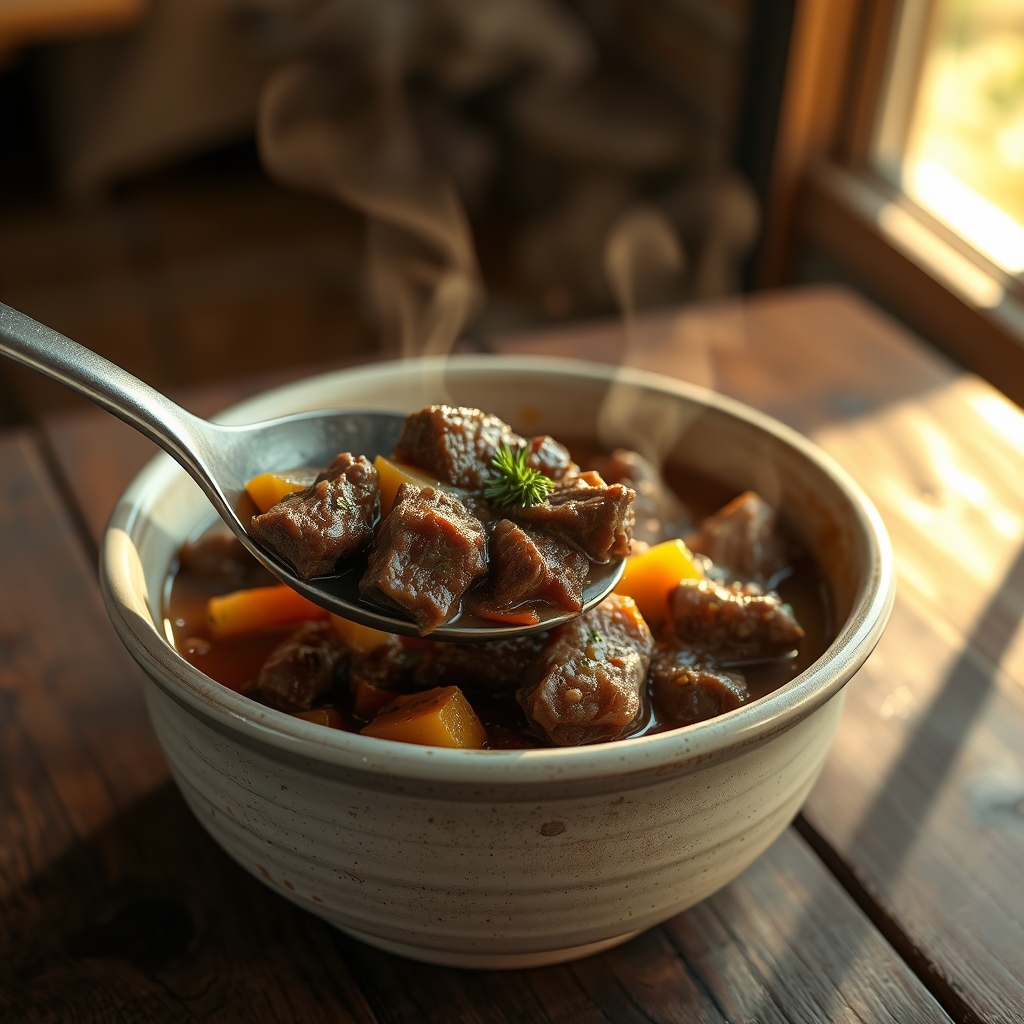
The flour added early in the process is the primary thickener. However, if your stew isn’t as thick as you’d like by the end, you can make a slurry. Mix 1-2 tablespoons of cornstarch with an equal amount of cold water until smooth, then stir it into the simmering stew and cook for a few minutes until thickened. Another option is to mash a few of the cooked potatoes against the side of the pot.
Serving Suggestions
This hearty beef stew is a meal in itself, but it pairs wonderfully with a few simple accompaniments. The classic choice is a crusty baguette or a rustic loaf of bread. The bread is perfect for sopping up every last drop of the rich, savory sauce – don’t let any of that goodness go to waste!
For a more complete meal, consider serving it with a simple green salad dressed with a light vinaigrette. The freshness of the salad complements the richness of the stew beautifully. Some people also enjoy it over mashed potatoes or simple egg noodles for an extra comforting touch.
Enjoy Your Homemade Stew
Making beef stew on the stovetop is a rewarding experience. It’s a dish that speaks of warmth, comfort, and home-cooked goodness. The aroma that fills your kitchen as it simmers is simply inviting, and the taste is even better. This basic beef stew recipe is a timeless classic for a reason, offering delicious results with fundamental techniques that anyone can master.
Whether you’re preparing it for a family dinner, a cozy weekend meal, or to impress guests with your culinary skills, this simple stove-top beef stew is sure to be a hit. Gather your ingredients, follow the steps, and savor the deep, comforting flavors of this beloved dish. Happy cooking!