“`html
The Ultimate Beef au Jus Recipe: Rich, Savory, and Surprisingly Simple
Prep time: 15 mins | Cook time: 3-4 hours | Servings: 6-8
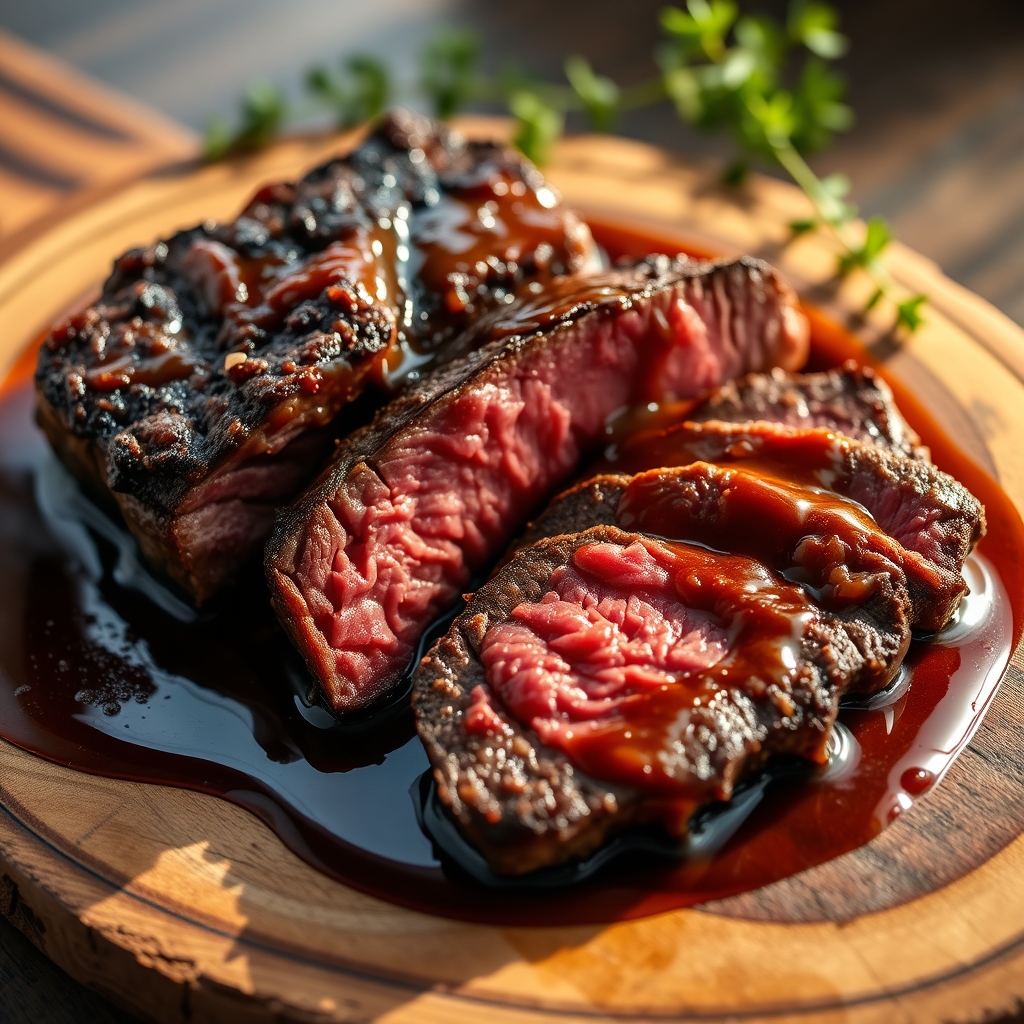
There’s something incredibly comforting and luxurious about a perfectly rendered beef au jus. Drizzled over a succulent roast beef, used to dip a French dip sandwich, or as a base for a rich gravy, this savory broth is a culinary essential. Many people associate it with steakhouses or complex, time-consuming preparations. However, the truth is that making a truly exceptional beef au jus at home is not only achievable but also surprisingly straightforward. This recipe focuses on building deep, complex flavors through simple ingredients and patient simmering, ensuring you get that restaurant-quality taste without the fuss.
What makes a great au jus? It’s all about the foundation: high-quality beef bones and aromatic vegetables, slow-cooked to perfection. We’re not looking for a heavy sauce here, but rather a clear, intensely flavorful liquid that enhances any dish it accompanies. The magic happens as the beef drippings and bones release their essence, creating a natural, deeply savory broth. This recipe uses a combination of roasted beef bones and mirepoix to achieve unparalleled depth. Get ready to elevate your roasts, sandwiches, and stews with this fundamental recipe.
Ingredients for Authentic Beef Au Jus
For the Base
- 3-4 pounds beef bones (marrow bones, knuckle bones, or oxtail work well)
- 1 tablespoon olive oil (for roasting)
- 1 pound stewing beef or beef trimmings (optional, for extra beef flavor)
For the Aromatics
- 2 large yellow onions, roughly chopped
- 3 large carrots, roughly chopped
- 3 celery stalks, roughly chopped
- 4-5 cloves garlic, smashed
- 1 bay leaf
- 1 teaspoon whole black peppercorns
- 4 sprigs fresh thyme (or 1 teaspoon dried thyme)
- 8-10 cups cold water (or enough to cover ingredients)
How to Make This Exquisite Beef Au Jus
Step 1: Roast the Bones and Aromatics
- Preheat your oven to 400°F (200°C).
- Toss the beef bones (and optional stewing beef) with olive oil on a large baking sheet. Roast for 30-40 minutes, turning halfway through, until deeply browned. This browning is crucial for flavor and color.
- Add the chopped onions, carrots, celery, and smashed garlic to the baking sheet with the bones. Toss to coat with any rendered fat. Roast for another 20-25 minutes, or until the vegetables are softened and starting to caramelize. The aroma will be incredible!
Step 2: Simmer for Depth of Flavor
- Transfer the roasted bones, vegetables, and any juices from the baking sheet into a large stockpot or Dutch oven.
- Add the bay leaf, peppercorns, and thyme sprigs.
- Pour in enough cold water to cover the ingredients by about 1-2 inches. Starting with cold water helps extract more impurities and flavor from the bones.
- Bring the pot to a gentle simmer over medium-high heat. Do not boil vigorously. As it heats up, a foam or scum will rise to the surface. Skim this off diligently with a ladle or fine-mesh sieve and discard it. This step is key to achieving a clear au jus.
- Once skimmed, reduce the heat to low, cover the pot loosely (leaving a small gap for steam to escape), and let it simmer very gently for at least 3 hours, and up to 4 hours. The longer it simmers, the deeper the flavor will become. Resist the urge to stir too much.
Step 3: Strain and Reduce (Optional)
- Once the simmering time is complete, carefully strain the liquid through a fine-mesh sieve lined with cheesecloth into a clean bowl or pot. Discard the solids.
- For a more concentrated flavor and slightly thicker consistency, you can return the strained liquid to a clean pot and simmer it uncovered over medium-low heat until it reduces to your desired intensity. Be patient, as this can take another 30-60 minutes.
- Season with salt to taste just before serving. Au jus is typically not heavily salted, as it’s often served with already seasoned meats.
Pro Tip: For an even richer flavor and a more luscious mouthfeel, consider deglazing the roasting pan with a splash of red wine or sherry after roasting the bones and vegetables. Let it bubble and scrape up any browned bits before transferring everything to the stockpot.
Variations and Serving Suggestions
Enhancing Your Au Jus
While this recipe provides a fantastic foundation, you can tailor it to your preferences. For a darker, more robust flavor profile, add a tablespoon of tomato paste to the vegetables during the last 15 minutes of roasting. If you want a subtle hint of sweetness, consider adding a parsnip to the mirepoix. Some chefs also like to add a pinch of fresh rosemary during the simmering process for a more aromatic finish.
Serving Suggestions
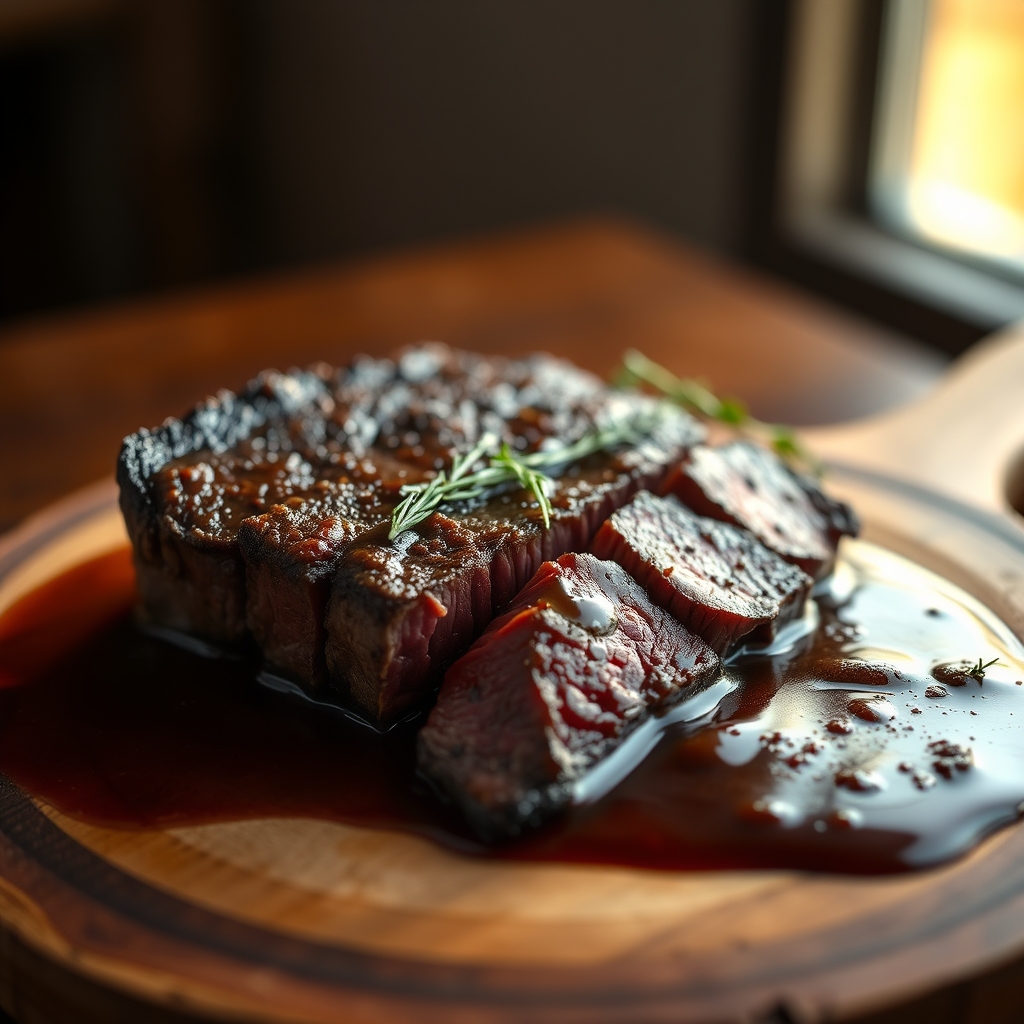
The classic use for au jus is, of course, with roast beef. Slice your roast beef thinly and serve it with a generous side of warm au jus for dipping. It’s the star of the show in a French dip sandwich, where it’s not only used for dipping the sandwich but often drizzled over the meat inside as well. Beyond roasts and sandwiches, au jus adds incredible depth to:
- Mashed potatoes or polenta
- Roasted vegetables
- Pasta dishes
- Soups and stews (as a rich flavor base)
- As a pan sauce for lamb chops or pork tenderloin
Storage and Reheating
Storing Your Au Jus
Once cooled, store your beef au jus in airtight containers in the refrigerator for up to 4-5 days. The fat will congeal on top, which you can remove or leave on depending on your preference (leaving it can help preserve the flavor). For longer storage, freeze the au jus in ice cube trays for convenient single-serving portions, or in larger containers for up to 3 months.
Reheating Best Practices
To reheat refrigerated au jus, gently warm it in a saucepan over low heat, stirring occasionally, until steamy and hot. If reheating from frozen, you can either thaw it overnight in the refrigerator and then warm it gently, or place frozen cubes directly into a saucepan over low heat, allowing them to melt and heat through. Avoid boiling, as this can diminish the delicate flavors. If you notice any separation after reheating, a quick whisk should bring it back together.
Mastering this beef au jus recipe is a game-changer for any home cook looking to add a touch of gourmet flair to everyday meals. It’s a testament to how simple ingredients and time can create something truly extraordinary. Enjoy the rich, savory goodness that this versatile liquid brings to your table!
“`