The Ultimate Rich & Nutritious Beef Bone Broth Recipe
Prep time: 20 minutes | Cook time: 24-72 hours | Servings: ~4 quarts
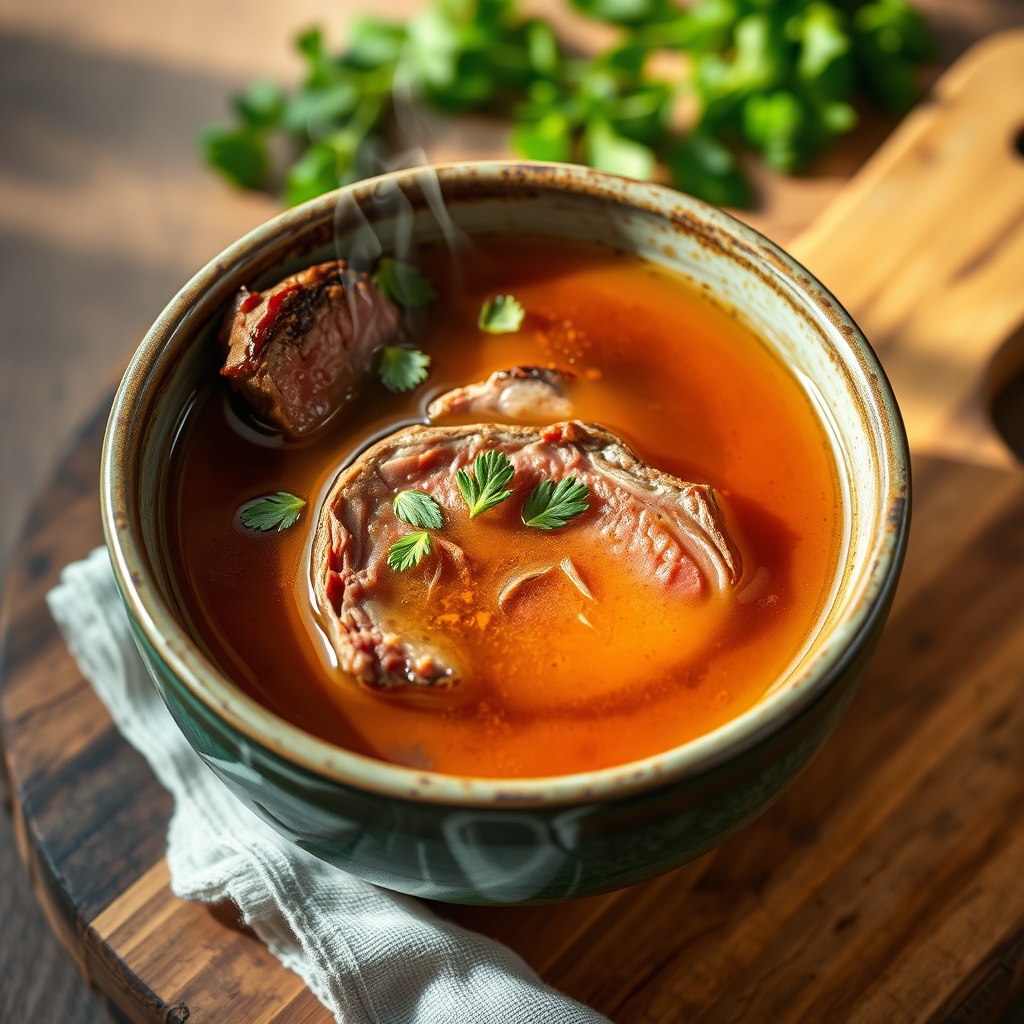
There’s nothing quite like a simmering pot of homemade bone broth. It’s more than just a culinary staple; it’s a liquid gold, packed with nutrients that can support your health and elevate your cooking. This beef bone broth recipe is designed to extract maximum flavor and goodness from humble ingredients, resulting in a deeply savory and nourishing elixir.
Forget those store-bought broths that often lack depth and are loaded with unnecessary additives. Crafting your own bone broth is a rewarding process, and the resulting rich flavor is unparalleled. Whether you’re a seasoned chef or a beginner in the kitchen, this guide will walk you through creating a truly exceptional beef bone broth.
Why Make Your Own Beef Bone Broth?
Bone broth is revered for its health benefits, thanks to the collagen, gelatin, amino acids, and minerals it releases from bones and connective tissues during slow cooking. It’s excellent for gut health, joint support, and can be a comforting addition to your diet, especially when you’re feeling under the weather.
Beyond its health halo, homemade bone broth is a flavor powerhouse. It forms the foundation for countless dishes, from hearty soups and stews to risottos and sauces. Its rich, umami taste can transform simple ingredients into something truly spectacular. Plus, it’s a fantastic way to utilize bones that might otherwise go to waste, making it an economical and sustainable choice.
Ingredients for Deep Flavor
The quality of your ingredients directly impacts the final broth. Opt for bones from grass-fed or pasture-raised animals whenever possible for the best nutrient profile and flavor. Don’t be afraid to mix and match bone types for complexity.
Essential Bones:
- 2-3 pounds assorted beef bones (marrow bones, knuckle bones, oxtail, or soup bones)
- 1 pound beef shank or stew meat (optional, for added richness and meat flavor)
Aromatic Vegetables (Mirepoix):
- 2 large carrots, roughly chopped
- 2 celery stalks, roughly chopped
- 1 large yellow onion, quartered (leave skin on for color, if desired)
Flavor Enhancers:
- 4-6 cloves garlic, smashed
- 1 tablespoon whole black peppercorns
- 2-3 bay leaves
- 1 teaspoon dried thyme (or a few fresh sprigs)
- 1-2 tablespoons apple cider vinegar (helps extract minerals)
Liquid:
- 12-16 cups cold filtered water (enough to cover ingredients by an inch or two)
How to Make It: Simmering to Perfection
The process is simple but requires patience. Slow and low heat are key to drawing out maximum nutrients and flavor.
- Roast the Bones (Optional but Recommended): Preheat your oven to 400°F (200°C). Spread the beef bones and optional shank/stew meat on a baking sheet. Roast for 30-45 minutes, or until nicely browned. This step adds immense depth of flavor and a richer color to your broth.
- Combine Ingredients: Place the roasted bones (and meat, if using) into a large stockpot or Dutch oven. Add the chopped carrots, celery, onion, smashed garlic cloves, peppercorns, bay leaves, and thyme. Pour in the apple cider vinegar and then the cold filtered water, ensuring all ingredients are submerged by at least an inch.
- Bring to a Simmer: Place the pot over high heat and bring the mixture just to a boil. Immediately reduce the heat to the lowest setting possible. The liquid should be barely bubbling, with only occasional gentle movement. This slow simmer is crucial for clarity and extracting nutrients without making the broth cloudy.
- Skim the Scum: During the first 1-2 hours of simmering, impurities will rise to the surface. Use a fine-mesh sieve or a large spoon to skim off this foam and any fat residue. This will result in a cleaner-tasting and clearer broth.
- Simmer for Extended Time: Cover the pot loosely (leaving a slight gap for steam to escape) and let it simmer for a minimum of 24 hours and up to 72 hours. The longer it simmers, the richer the flavor and the more nutrients will be extracted. Check periodically to ensure the water level remains sufficient; add more filtered water if needed to keep ingredients submerged.
- Strain the Broth: Once the simmering time is complete, carefully strain the broth through a fine-mesh sieve lined with cheesecloth into a large bowl or another clean pot. Discard the solids.
- Cool and Store: Let the broth cool slightly, then refrigerate. Once chilled, any excess fat will solidify on top and can be easily removed and saved for cooking if desired. Store the broth in airtight containers in the refrigerator for up to 5 days, or freeze for up to 6 months.
Tips for Broth Brilliance
Bone Selection Matters
For the most nutrient-dense broth, focus on bones rich in collagen and marrow. Marrow bones are excellent for flavor and richness. Knuckle bones and oxtail are also great choices. If you can’t get from a butcher, many grocery stores carry soup bones.
Don’t Skip the Acid
The apple cider vinegar plays a crucial role in acidulating the water, helping to break down connective tissues and extract minerals from the bones. Don’t worry, the vinegar flavor completely disappears during the long simmer.
Slow Simmer is Key
Resist the urge to boil. A gentle simmer ensures that impurities don’t get emulsified into your broth, keeping it clear. It also allows for maximum nutrient extraction without overcooking or creating bitter off-flavors.
Patience for Perfect Flavor
While 24 hours is a good starting point, allowing the broth to simmer for 48 or even 72 hours will yield a significantly richer, more gelatinous, and deeply flavorful result. If you’re short on time, 24-36 hours will still produce a wonderful broth.
Serving & Storage Suggestions
Once cooled and chilled, you might notice your broth has become gelatinous – this is a sign of excellent collagen content! Heat it gently to liquefy it. Enjoy this nutrient-rich liquid in many ways:
- Sip it warm on its own, seasoned with salt and pepper.
- Use it as a base for soups, stews, and chili.
- Cook grains like rice or quinoa in broth instead of water for added flavor.
- Deglaze pans after searing meats to capture flavorful fond.
- Incorporate it into sauces and gravies.
For long-term storage, broth freezes beautifully. You can freeze it in ice cube trays for small portions to add to recipes, or in larger containers or freezer bags. Ensure it’s cooled completely before freezing.
A Culinary Foundation for Health
Making your own beef bone broth is an investment in both your health and your kitchen’s culinary capabilities. The process is straightforward, yielding a versatile ingredient that is both delicious and incredibly beneficial. Embrace the slow simmer, savor the rich aroma, and enjoy the nourishing goodness of this foundational recipe. Your body and your taste buds will thank you!