The Ultimate Burnt Ends Recipe for Backyard Barbecue Bliss
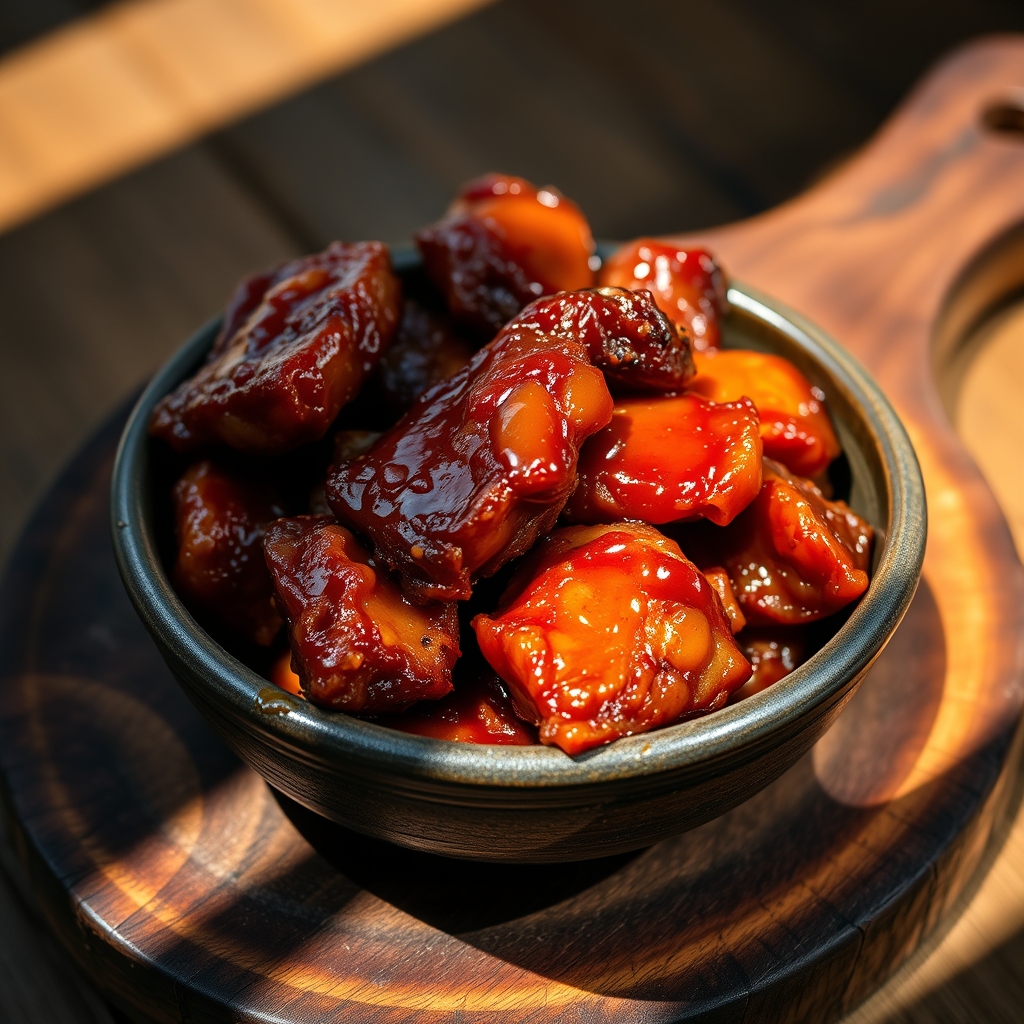
Get ready to impress your friends and family with the absolute best burnt ends recipe. These flavorful, tender morsels of brisket are the crispy, caramelized edges that barbecue dreams are made of. Forget eating them just as a byproduct; we’re making them the star of the show. This guide will walk you through how to achieve that irresistible smoky, sweet, and savory perfection right in your own backyard.
What Are Burnt Ends?
Burnt ends traditionally come from the point half of a smoked brisket. They are the fattier, more marbled part that gets incredibly tender and flavorful with long, slow cooking. As the brisket cooks, the edges naturally get crispy and caramelized. These crispy bits are what we call burnt ends.
A Barbecue Favorite
While they started as a way to use up the well-done ends of a brisket, burnt ends quickly became a sought-after delicacy. Their rich, smoky flavor and melt-in-your-mouth texture make them a true crowd-pleaser, perfect for any barbecue gathering.
Ingredients for Perfect Burnt Ends
To make these irresistible morsels, you’ll need some key ingredients. The quality of your brisket is crucial, so opt for a well-marbled piece.
- 1 (3-5 pound) Brisket Point
- Your favorite spice rub (e.g., salt, black pepper, paprika, garlic powder, onion powder)
- 1 cup Beef Broth or Apple Cider
- 1/2 cup Barbecue Sauce (your preferred brand or homemade)
- 2 tablespoons Butter
- 1 tablespoon Brown Sugar (optional, for extra sweetness)
How to Make Burnt Ends
This process involves slow cooking and a little bit of love. Patience is key to unlocking that incredible flavor and texture.
Step 1: Prepare the Brisket
Trim any excess hard fat from the brisket, but leave a good amount of the marbled fat. Apply a generous coating of your chosen spice rub all over the brisket. Let it sit for at least 30 minutes, or ideally, refrigerate it for a few hours or overnight to allow the rub to penetrate the meat.
Step 2: Smoke the Brisket
Preheat your smoker to 225-250°F (107-121°C). Place the brisket directly on the smoker grates, fat-side up. Smoke for about 5-6 hours, or until the internal temperature reaches around 160-165°F (71-74°C) and you’ve got a nice, deep bark.
Step 3: Cut and Braise
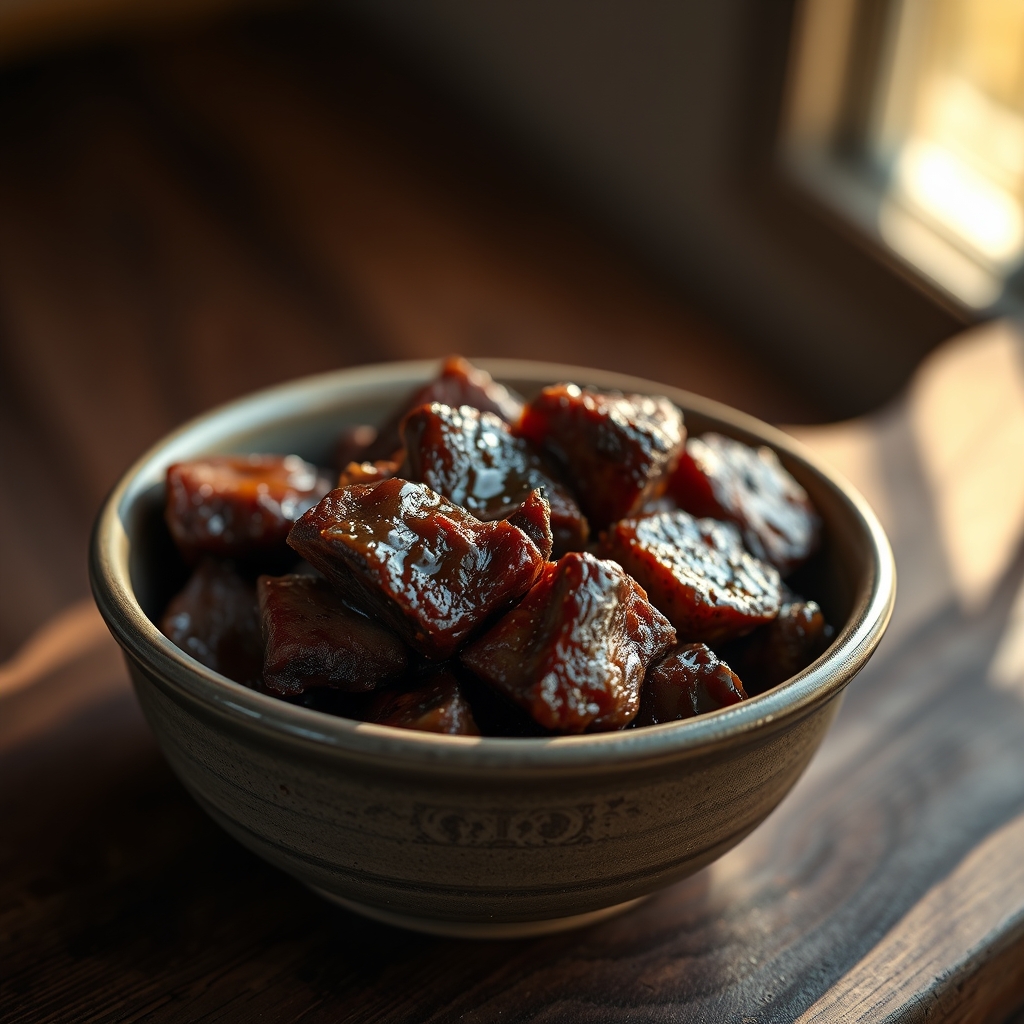
Remove the brisket from the smoker and let it rest for about 15-20 minutes. Carefully cut the smoked brisket into 1-inch cubes. Place the cubed brisket into a disposable aluminum pan or a cast-iron skillet. Pour the beef broth or apple cider over the cubes. This liquid will help steam and tenderize the meat further.
Step 4: Finish in the Smoker
Cover the pan tightly with aluminum foil. Return the pan to the smoker (still at 225-250°F). Let it cook for another 1.5 to 2 hours, or until the cubes are incredibly tender.
Step 5: Sauce and Caramelize
Remove the pan from the smoker. Carefully drain off most of the liquid, leaving about 1/4 cup in the pan. Add your barbecue sauce, butter, and brown sugar (if using) to the pan with the brisket cubes. Stir gently to coat all the cubes. Remove the foil cover. Return the pan to the smoker, uncovered, for another 30-45 minutes. This final step allows the sauce to thicken and caramelize around the burnt ends, creating that irresistible sticky glaze. Keep an eye on them to prevent burning too much.
Tips for Success
Achieving perfect burnt ends is within reach with a few key tips. Don’t be afraid to experiment with your favorite flavors.
Choosing Your Brisket
For the best results, use a brisket point rather than the whole packer brisket. The point cut has a higher fat content, which is essential for tender and juicy burnt ends.
Smoker Temperature Control
Maintaining a consistent smoker temperature is vital. Fluctuations can lead to uneven cooking and tough meat.
Don’t Skip the Braising Liquid
The braising step is crucial for achieving that melt-in-your-mouth texture and infusing moisture. Beef broth adds depth, while apple cider provides a touch of sweetness.
Sauce Application
Wait until the end to add your sauce. Applying it too early can cause it to burn during the long, slow cook.
Serving Ideas
Burnt ends are incredibly versatile. Serve them as a main course, an appetizer, or a delicious addition to other dishes.
Classic BBQ Spread
Serve your burnt ends alongside classic barbecue sides like coleslaw, potato salad, mac and cheese, and cornbread for a complete meal.
Appetizer Delight
Present them in a serving dish with toothpicks for a guaranteed hit at any party. They disappear quickly!
Sandwich Topping
Pile them high on slider buns or regular buns for a messy, delicious sandwich that packs a punch of flavor. They also make a fantastic topping for loaded baked potatoes or nachos.
Enjoy these incredible homemade burnt ends!