Rich & Savory Homemade Beef Broth Recipe
Prep time: 20 minutes | Cook time: 6-8 hours | Servings: 8-10 cups
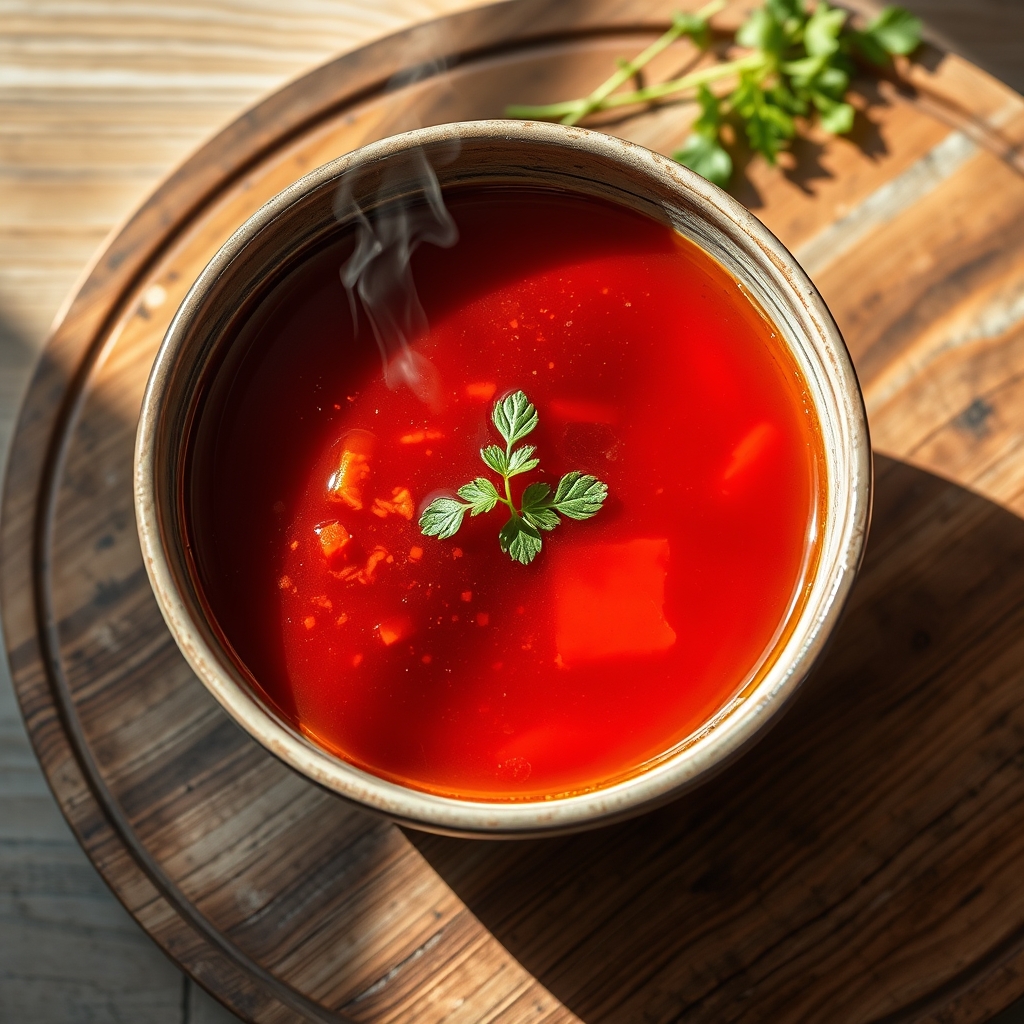
There’s nothing quite like the depth of flavor and comforting aroma that a truly homemade beef broth brings to your kitchen. Forget those watery, bland store-bought versions; crafting your own beef broth from scratch is a rewarding culinary journey that pays dividends in taste and nutrition. This recipe focuses on extracting maximum flavor from quality ingredients, yielding a rich, gelatinous, and wonderfully versatile base for all your favorite soups, stews, sauces, and savory dishes.
Making beef broth is not just about convenience; it’s about controlling the quality of what you’re consuming. By using good quality beef bones, you’re not only getting incredible flavor but also a host of beneficial nutrients. The long simmering process breaks down collagen and cartilage in the bones, releasing gelatin which gives homemade broth its signature body and mouthfeel. This makes it a far superior ingredient compared to any commercial product.
Why Make Your Own Beef Broth?
Beyond the superior taste, making your own beef broth offers several advantages. It’s an excellent way to reduce food waste by utilizing bones from your roasts or butcher. It’s also cost-effective, especially when you consider the price of high-quality liquid stocks. Furthermore, you have complete control over the ingredients – no added sugars, artificial flavors, or excessive sodium. It’s pure, wholesome goodness.
This slow-cooked elixir is a foundation for culinary creativity. Imagine the base for a French onion soup, a rich beef stew, or a reduction sauce for a perfectly cooked steak. The possibilities are endless, and a well-made beef broth is the secret ingredient that truly elevates these dishes from good to extraordinary. It’s a staple that every home cook should have in their repertoire.
The Best Ingredients for Rich Beef Broth
The magic of a great beef broth lies in the quality of its components. While it might seem simple, choosing your ingredients wisely will make a significant difference in the final flavor and richness. Don’t skimp here; quality bones are the cornerstone of this recipe.
Bones: The Foundation of Flavor
For the best results, use a combination of meaty beef bones and marrow bones. Joints, knuckle bones, and rib bones are excellent choices as they contain plenty of collagen and connective tissue that break down into gelatin. Meaty bones, like oxtail or short ribs, add additional depth of flavor. Aim for about 2-3 pounds of bones per recipe. Roasting the bones beforehand is a crucial step that adds a wonderful toasted, caramel-like complexity to the finished broth.
Aromatic Vegetables (Mirepoix)
A classic mirepoix of onions, carrots, and celery forms the aromatic backbone of the broth. These vegetables lend sweetness, earthiness, and a subtle savory note. Don’t peel the onions if you want a richer color; the skins impart a beautiful golden-brown hue. Roughly chop them – their primary role is to flavor the liquid, so precision isn’t necessary.
Herbs and Spices
A few sprigs of fresh thyme, a bay leaf, and a handful of whole black peppercorns are all you need. These simple additions enhance the overall flavor profile without overpowering the meaty essence of the broth. Avoid using dried herbs, which can become bitter during long simmering, and be judicious with salt during the cooking process; you can always add more at the end or when using the broth in a dish.
Ingredients
- 2-3 lbs beef bones (a mix of marrow bones and meaty bones like oxtail or short ribs recommended)
- 1 large yellow onion, quartered (skin on for color)
- 2 medium carrots, roughly chopped
- 2 celery stalks, roughly chopped
- 4-6 sprigs fresh thyme
- 1-2 bay leaves
- 1 teaspoon whole black peppercorns
- 1 tablespoon olive oil or neutral oil (for roasting bones)
- 1 tablespoon apple cider vinegar (helps extract minerals)
- 10-12 cups cold water, or enough to cover
- Salt, to taste (optional, add at the end)
How to Make{|
Rich Beef Broth
Patience is key when making beef broth. The long, slow simmer is what breaks down the bones and connective tissues, resulting in a rich, nourishing liquid. Follow these steps closely for a perfect broth every time.
Step 1: Roast the Bones
- Preheat your oven to 400°F (200°C).
- Place the beef bones on a large baking sheet. Drizzle with olive oil and toss to coat.
- Roast for 30-45 minutes, turning halfway through, until the bones are deeply browned and caramelized. This step is crucial for developing a rich, complex flavor and beautiful color.
Step 2: Simmer the Broth
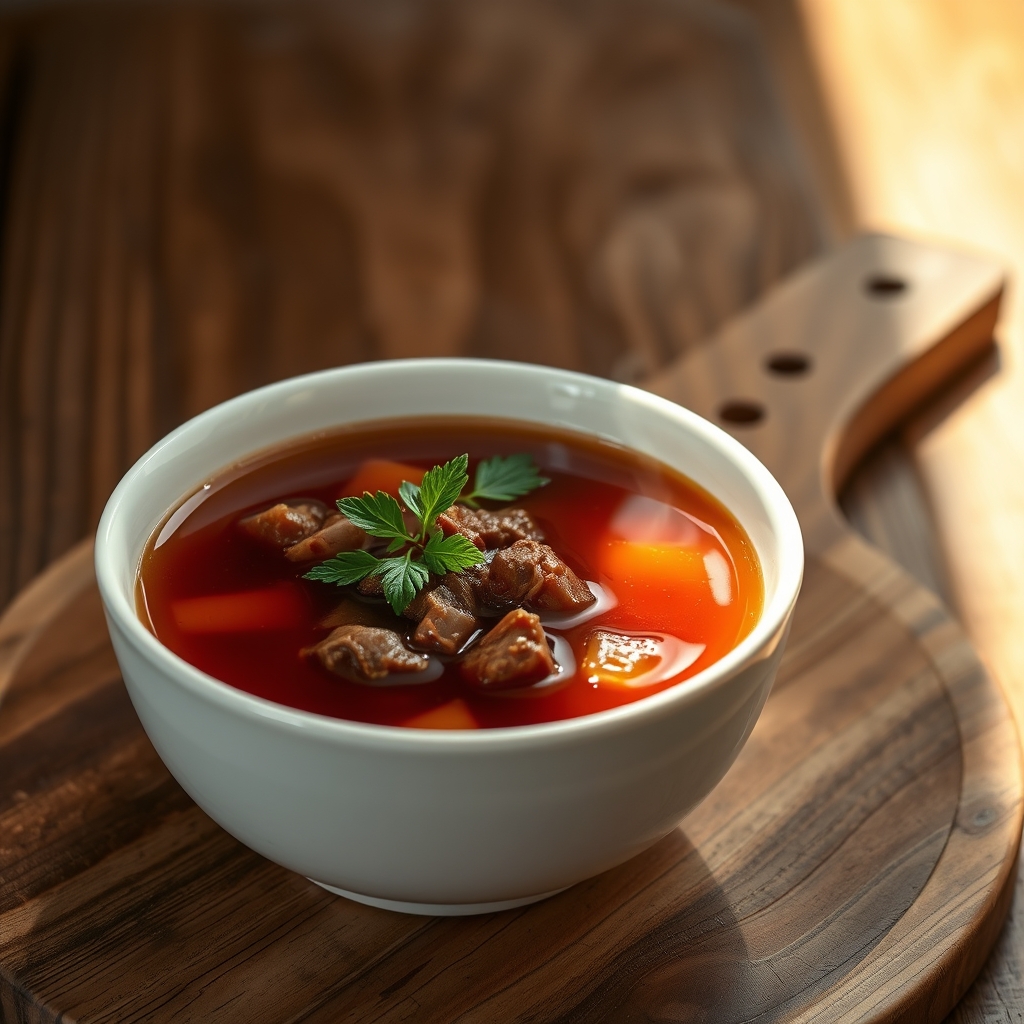
- Transfer the roasted bones to a large stockpot or Dutch oven.
- Add the quartered onion, chopped carrots, celery, thyme sprigs, bay leaves, peppercorns, and apple cider vinegar to the pot.
- Pour in enough cold water to cover the bones and vegetables by at least 2 inches.
- Bring the pot to a boil over high heat, then immediately reduce the heat to the lowest possible setting to maintain a gentle simmer.
- As the broth simmers, a scum will rise to the surface. Skim this off with a fine-mesh skimmer or spoon for a cleaner broth. Do this periodically during the first hour of simmering.
- Cover the pot loosely, leaving a small gap for steam to escape. Let the broth simmer gently for at least 6 hours, and up to 8 hours for maximum flavor extraction. The longer it simmers, the richer and more gelatinous it will become.
Step 3: Strain and Cool
- Once the simmering is complete, carefully remove the large bones and solids with a slotted spoon.
- Line a fine-mesh sieve with cheesecloth (optional, for extra clarity) and place it over a large bowl or heatproof container.
- Pour the broth through the sieve, discarding the solids.
- Allow the broth to cool to room temperature before refrigerating or freezing. If you notice a thick layer of gelatin solidifying on top once chilled, that’s a sign of a perfectly made, collagen-rich broth!
Pro Tip: For an even deeper flavor and richer color, you can add a tablespoon of tomato paste to the roasted bones and vegetables for the last 15 minutes of roasting. This caramelizes the paste and adds a subtle umami depth.
Tips for Perfect Broth Every Time
Use Cold Water
Starting with cold water helps to gradually draw out impurities and flavors from the bones and vegetables as the water heats up, leading to a clearer and more flavorful broth. Boiling water from the start can shock the ingredients and trap impurities.
Low and Slow Simmer
The difference between a good broth and a great one often comes down to the simmer. A vigorous boil will emulsify the fat and impurities, resulting in a cloudy broth. A gentle, barely-there simmer breaks down the collagen and connective tissues cleanly, yielding a rich, clear liquid.
Don’t Overcrowd the Pot
Ensure there’s enough room in your pot for the ingredients and water. Overcrowding can lead to uneven cooking and a less flavorful broth. If your bones and vegetables are piled too high, they won’t simmer evenly, and the flavors won’t meld properly.
Storing Your Homemade Broth
Once cooled, your homemade beef broth can be stored in several ways. In the refrigerator, it will keep for 4-5 days in airtight containers. For longer storage, freeze it. You can freeze it in various portion sizes – large containers, ice cube trays (perfect for adding a little flavor boost to pan sauces), or freezer bags.
Refrigeration
Airtight containers are best for refrigeration. Make sure the broth has cooled completely before sealing and placing it in the fridge. This prevents condensation from forming, which can shorten its shelf life.
Freezing for Longevity
Freezing is an excellent option for preserving your hard work. Broth can be kept in the freezer for up to 6 months. Portioning it into smaller amounts, like 1 or 2 cup servings, makes it easy to thaw only what you need for a recipe.
Serving Suggestions and Culinary Uses
This versatile beef broth is more than just a soup base. Its rich flavor profile makes it an indispensable ingredient in a wide range of dishes, transforming everyday meals into something special.
Soups and Stews
Use it as the liquid base for hearty beef stews, French onion soup, minestrone, or any soup where a deep, savory flavor is desired. Its gelatin content will also help thicken these dishes naturally.
Sauces and Gravies
Reduce it to create elegant pan sauces for steaks, roasts, or chicken. It’s also fantastic when incorporated into homemade gravies, adding richness and complexity you won’t find in store-bought versions.
Risottos and Grains
Cooking rice, barley, or other grains in beef broth instead of water infuses them with incredible flavor. It’s particularly transformative for risotto, giving it a wonderfully savory character.
Making your own beef broth is an investment in flavor that pays off in countless delicious meals. With a little time and a few quality ingredients, you can unlock a world of culinary possibilities. Enjoy the process and, more importantly, enjoy the incredible taste of truly homemade.