The Ultimate Beef Ribeye Roast Recipe: A Holiday Showstopper
Prep time: 20 minutes | Cook time: 2 – 3 hours | Servings: 6-8
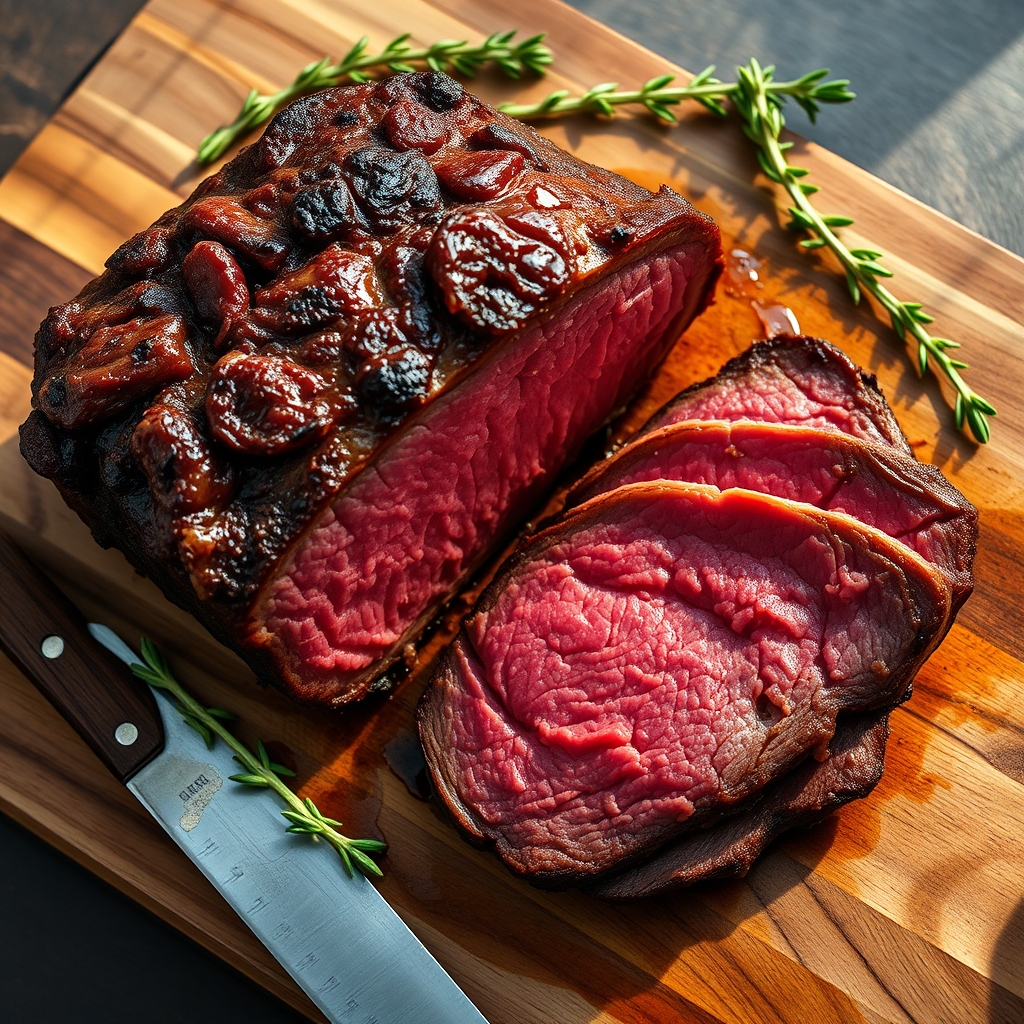
There’s something undeniably magical about a standing ribeye roast. It’s the centerpiece of any festive meal, a symbol of abundance and celebration. This recipe is designed to deliver a perfectly cooked roast every single time, with a gorgeously seared crust and a succulent, tender interior. Forget the stress; let’s create a culinary masterpiece that will have your guests raving.
A well-executed ribeye roast doesn’t require over-complicated techniques. The quality of the beef is paramount, and a few key steps ensure that you elevate its natural richness. From selecting the right cut to achieving the ideal internal temperature, this guide will walk you through every detail. Prepare to impress yourself and everyone at your table with this unforgettable dish.
Prime Ingredients for a Perfect Roast
The beauty of this beef ribeye roast recipe lies in its simplicity. High-quality ingredients are key. When choosing your roast, look for good marbling – the little flecks of fat throughout the muscle that melt during cooking, adding incredible flavor and moisture.
The Star of the Show
- 1 (4-5 pound) standing beef ribeye roast (Prime or Choice grade recommended), 3-4 ribs
Flavor Enhancers
- 2 tablespoons olive oil
- 2 tablespoons unsalted butter, softened
- 2 teaspoons kosher salt (or to taste)
- 1 teaspoon freshly ground black pepper
- 4-6 cloves garlic, minced
- 2 sprigs fresh rosemary
- 2 sprigs fresh thyme
Crafting the Perfect Roast: Step-by-Step
This method focuses on building a beautiful crust early on, then gently roasting to your desired doneness. Patience and a meat thermometer are your best friends here.
- Bring to Room Temperature: About 2-3 hours before you plan to cook, remove the ribeye roast from the refrigerator. Place it on a baking sheet or platter. This step is crucial for even cooking. A cold roast will cook unevenly, leaving the outside overdone and the inside undercooked.
- Preheat Your Oven: Preheat your oven to a high temperature, typically 450°F (230°C). This high heat will sear the outside of the roast, creating that desirable crust.
- Prepare the Herb Rub: In a small bowl, combine the softened butter, minced garlic, kosher salt, and black pepper. Mix well to form a paste. Finely chop the rosemary and thyme leaves and mix them into the butter mixture.
- Season the Roast: Pat the ribeye roast dry with paper towels. This helps create a crispier crust. Rub the olive oil all over the roast. Then, generously spread the herb and garlic butter mixture evenly over the top and sides of the roast. Tuck the fresh herb sprigs around it.
- Sear at High Heat: Place the seasoned roast, fat side up, in a sturdy roasting pan. Avoid using aluminum foil at this stage as it can interfere with the searing process. Immediately place the pan in the preheated 450°F (230°C) oven.
- Roast and Reduce Heat: Roast at this high temperature for 15 minutes. Then, reduce the oven temperature to 325°F (160°C).
-
Continue Roasting: Continue roasting at 325°F (160°C) until a meat thermometer inserted into the thickest part of the roast (without touching bone) registers your desired temperature:
- 115-120°F (46-49°C) for rare
- 120-125°F (49-52°C) for medium-rare
- 130-135°F (54-57°C) for medium
A general guideline for roasting time at 325°F (160°C) is about 15-20 minutes per pound.
- Rest is Key: Once the roast reaches the target temperature, remove it from the oven. Tent it loosely with aluminum foil and let it rest for at least 20-30 minutes. This resting period is critical for allowing the juices to redistribute throughout the meat, ensuring a tender and moist result. If you cut into it too soon, all those delicious juices will run out onto the cutting board.
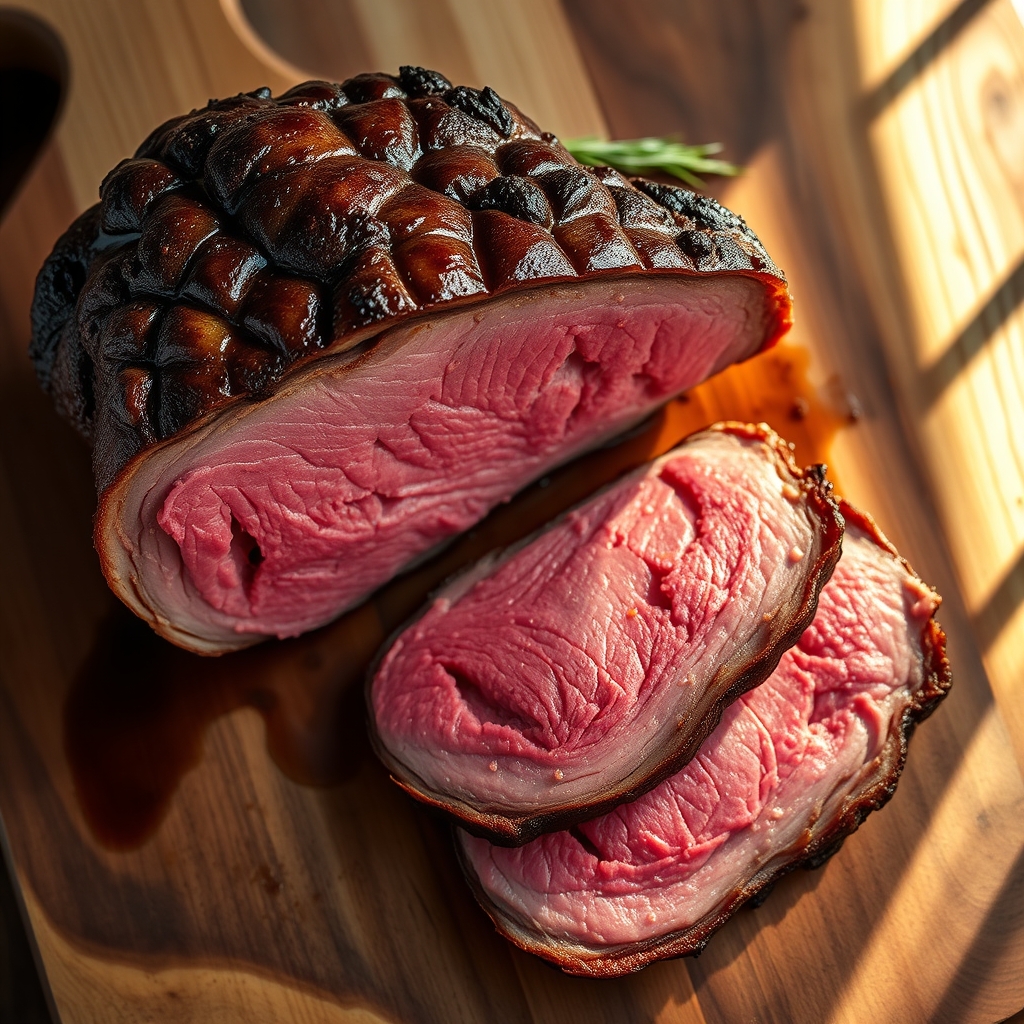
- Carve and Serve: After resting, remove the herb sprigs. Carefully carve the roast into thick slices, cutting against the grain.
Tips for Ribeye Roast Success
Elevating your ribeye roast experience involves a few extra touches and considerations. These tips will help you achieve restaurant-quality results at home.
The Meat Thermometer Debate
Investing in a good digital instant-read meat thermometer is non-negotiable for any serious cook, especially for large roasts. Relying solely on time per pound is notoriously inaccurate due to variations in oven calibration, roast shape, and starting temperature. For a truly perfect ribeye, a thermometer is your best guide, ensuring you hit that ideal internal temperature without guesswork.
Achieving the Perfect Crust
The initial high heat sear is crucial for developing a rich, flavorful crust. Don’t be tempted to skip this step or start at a lower temperature. When you reduce the heat, make sure your oven is fully preheated to the lower temperature before returning the roast. This transition ensures the exterior continues to brown beautifully as the interior cooks to perfection.
Dealing with the Fat Cap
The fat cap on a ribeye roast is a flavor powerhouse, but it can sometimes lead to uneven cooking or a greasy texture if not managed properly. Scoring the fat cap before cooking, as mentioned in the pro tip, helps it render more effectively. Some chefs also recommend starting the roast with the fat cap facing up to allow the rendered fat to baste the meat as it cooks. For an even crispier exterior, you can finish the roast under the broiler for a minute or two, watching very closely to prevent burning.
Serving Suggestions for Your Roast
A magnificent ribeye roast deserves equally delightful accompaniments. The natural richness of the beef pairs beautifully with a variety of classic and contemporary side dishes.
Sauces and Gravies
The pan drippings from your roasted ribeye are liquid gold! Use them to create a rich, savory gravy. Simply skim off excess fat, deglaze the pan with a bit of red wine or beef broth, and thicken with a flour or cornstarch slurry. A classic horseradish cream sauce or a simple red wine reduction are also fantastic pairings that cut through the richness of the beef.
Classic Sides
Roasted root vegetables like potatoes, carrots, and parsnips are a natural fit. Creamy mashed potatoes, fluffy Yorkshire puddings (a British classic for a reason!), or a simple asparagus or green bean dish provide lovely contrasts in texture and flavor. A crisp salad can also offer a refreshing balance to the hearty roast.
Conclusion: Your Holiday Centerpiece Awaits
This beef ribeye roast recipe is more than just a meal; it’s an experience. It’s about bringing people together, creating lasting memories, and indulging in the finest flavors. With the right technique and a little patience, you can consistently produce a roast that rivals any steakhouse. Don’t shy away from this impressive dish; embrace it as your new go-to for any special occasion. Happy cooking, and enjoy every succulent bite!