The Ultimate Braised Beef Cheek Recipe: Fall-Apart Tender Perfection
Prep time: 30 minutes | Cook time: 3-4 hours | Servings: 4
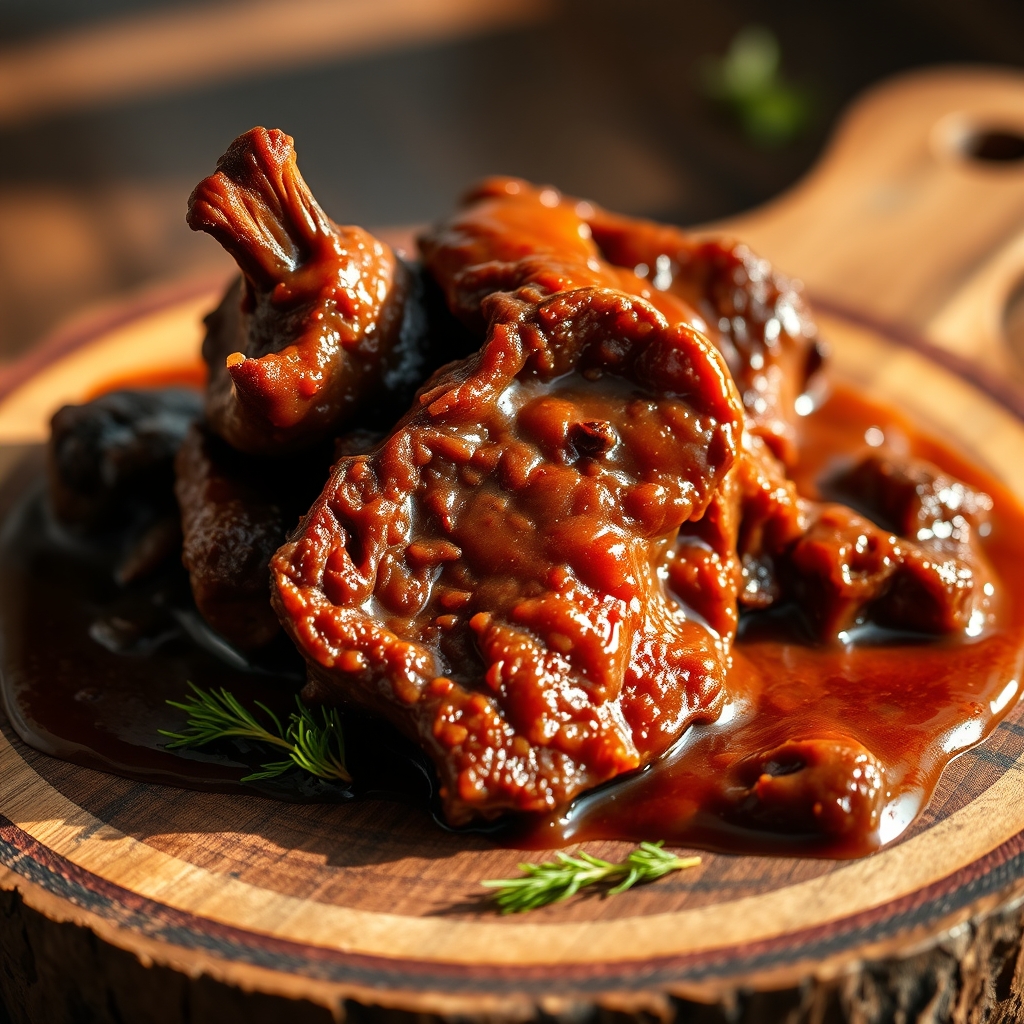
Beef cheeks are one of those hidden gems in the culinary world. Often overlooked, these cuts from the jaw of the cow are packed with connective tissue and rich, beefy flavor. When braised low and slow, they transform into something truly magical: extraordinarily tender, melt-in-your-mouth morsels of pure deliciousness. Forget tough, dry meat; this recipe is all about unlocking the incredible potential of beef cheeks. Whether you’re a seasoned home cook looking for a show-stopping dish or a beginner eager to impress, this braised beef cheek recipe will become a staple in your repertoire. It’s perfect for a cozy Sunday dinner, a special occasion, or even just a Tuesday night when you need a comforting, flavourful meal.
Why Braised Beef Cheeks Are Superior
The secret to incredibly tender beef cheeks lies in their unique composition. They are rife with collagen, which breaks down during the long, slow cooking process. This breakdown not only tenderizes the meat to an unbelievable degree but also creates a luscious, unctuous sauce that coats every strand. The result is a depth of flavor and a texture that simply cannot be replicated with leaner cuts. This isn’t just about cooking beef; it’s about a culinary transformation that yields exceptional results with relatively simple ingredients and even simpler techniques.
Ingredients You’ll Need
For the Beef Cheeks:
- 4-6 beef cheeks (about 1.5-2 lbs total), trimmed of excess fat and silverskin
- 2 tablespoons olive oil
- 1 large onion, chopped
- 2 carrots, peeled and chopped
- 2 celery stalks, chopped
- 4 cloves garlic, minced
- 1 tablespoon tomato paste
- 1 cup dry red wine (like Cabernet Sauvignon, Merlot, or Pinot Noir)
- 3 cups beef broth or stock
- 2 sprigs fresh thyme
- 1 bay leaf
- Salt and freshly ground black pepper to taste
Optional Aromatics/Herbs:
- 1 sprig rosemary
- 1-2 whole star anise (for a subtle licorice note)
How to Achieve Fall-Apart Tenderness
Step 1: Prepare the Beef Cheeks
- Pat the beef cheeks thoroughly dry with paper towels. This is crucial for achieving a good sear. Season them generously on all sides with salt and freshly ground black pepper.
Step 2: Sear for Flavor
- Heat the olive oil in a heavy-bottomed pot or Dutch oven over medium-high heat. Once shimmering, add the beef cheeks in batches, being careful not to overcrowd the pot. Sear them for 3-4 minutes per side until deeply golden brown. Remove the seared cheeks and set aside on a plate.
Step 3: Sauté the Aromatics
- Reduce the heat to medium. Add the chopped onion, carrots, and celery to the pot. Cook, stirring occasionally, for 8-10 minutes until softened and lightly browned. Add the minced garlic and tomato paste, and cook for another minute until fragrant, stirring constantly.
Step 4: Deglaze and Build the Braising Liquid
- Pour in the red wine, scraping up any browned bits from the bottom of the pot with a wooden spoon. Let the wine bubble and reduce by about half, which usually takes 3-5 minutes. This process removes the alcohol and concentrates the wine’s flavor.
- Add the beef broth, thyme sprigs, bay leaf, and any other optional aromatics (rosemary, star anise) to the pot. Bring the liquid to a simmer.
Step 5: The Long, Slow Braise
- Return the seared beef cheeks to the pot. Ensure they are mostly submerged in the liquid. If not, add a little more beef broth or water.
- Cover the pot tightly with a lid, or with a layer of parchment paper and then the lid. Transfer to a preheated oven at 300°F (150°C).
- Braise for 3 to 4 hours, or until the beef cheeks are fork-tender and can be easily pulled apart with a fork. Check periodically after 2.5 hours; cooking times can vary.
Step 6: Finish the Sauce
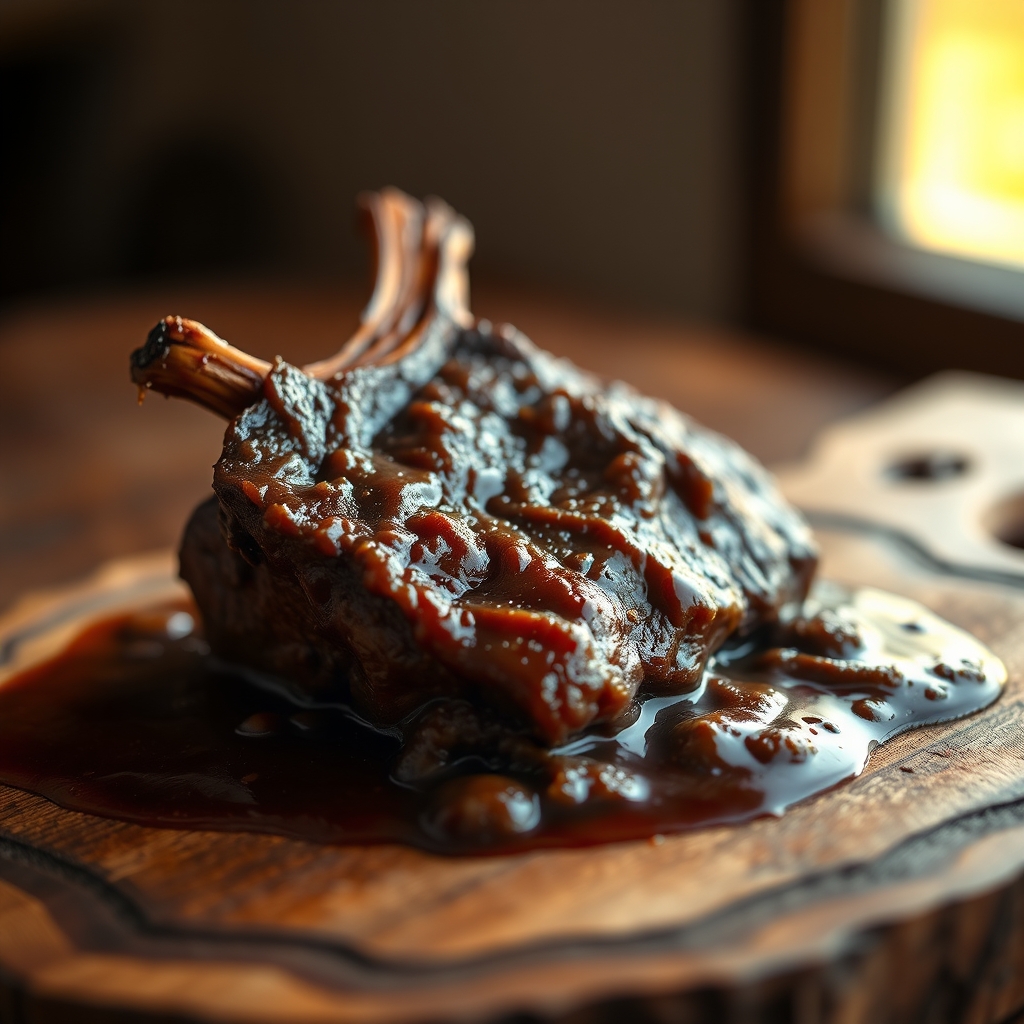
- Once tender, carefully remove the beef cheeks from the pot and place them on a clean plate. Tent with foil to keep warm.
- Strain the braising liquid into a saucepan, discarding the solids (cooked vegetables, herbs). Skim off any excess fat from the surface of the liquid.
- Bring the strained liquid to a simmer over medium heat. Let it reduce and thicken to a sauce consistency. If it’s not thickening enough, you can make a slurry with 1 tablespoon of cornstarch mixed with 2 tablespoons of cold water, then whisk it into the simmering sauce. Cook for another minute until thickened. Taste and adjust seasoning with salt and pepper if needed.
Step 7: Serve
- Return the beef cheeks to the thickened sauce, or spoon the sauce generously over the cheeks.
Pro Tips for Perfect Beef Cheeks
Pro Tip: Don’t rush the searing process! A deep, dark sear on the beef cheeks is essential for building complex flavor. It’s what creates the foundation for the incredible taste of the final dish.
Trimming the Cheeks
Beef cheeks can sometimes have a tough membrane or a bit of excess fat. While some fat adds flavor, too much can make the dish greasy. Take a few minutes to carefully trim away any thick layers of fat or the silvery membrane (silverskin) that doesn’t break down during cooking. This small step makes a big difference in the final texture.
Choosing Your Liquid
While red wine is classic and highly recommended for its flavor complexity, you can experiment. If you prefer not to use alcohol, you can substitute with more beef broth and a splash of balsamic vinegar or Worcestershire sauce for added depth. If using a different wine, ensure it’s one you would enjoy drinking – its flavor will be concentrated in the sauce.
Make Ahead Magic
Braised dishes like beef cheeks often taste even better the next day! This is because the flavors have more time to meld and deepen. Cook them a day in advance, let them cool in the liquid, then refrigerate. Reheat gently on the stovetop or in the oven.
Serving Suggestions
The rich, savory sauce and tender beef cheeks are incredibly versatile. Here are some classic pairings that let the star of the show shine:
Creamy Mashed Potatoes
A bed of fluffy mashed potatoes is the quintessential companion. The potatoes soak up the luscious sauce beautifully, creating pure comfort food bliss.
Polenta or Grits
For a slightly different texture, serve over creamy polenta or stone-ground grits. The cornmeal adds a subtle sweetness that complements the deep beef flavor.
Crusty Bread
Don’t forget a good loaf of crusty bread for mopping up every last drop of that incredible sauce. It’s non-negotiable!
Roasted Vegetables
A side of simply roasted root vegetables like carrots, parsnips, or Brussels sprouts adds a touch of freshness and texture to the meal.
A Culinary Triumph
Braised beef cheeks are more than just a meal; they’re an experience. This recipe, with its deep flavors and impossibly tender results, is a testament to the magic of slow cooking. It’s a dish that feels luxurious and special, yet it’s surprisingly approachable. The process allows you to develop incredible depth of flavor, transforming a humble cut into a gourmet delight. So next time you’re looking to impress or simply treating yourself to something extraordinarily delicious, give beef cheeks the star treatment they deserve. Enjoy!