The Ultimate Beef Chateaubriand Recipe for a Memorable Meal
Prep time: 20 minutes | Cook time: 25-35 minutes | Servings: 4
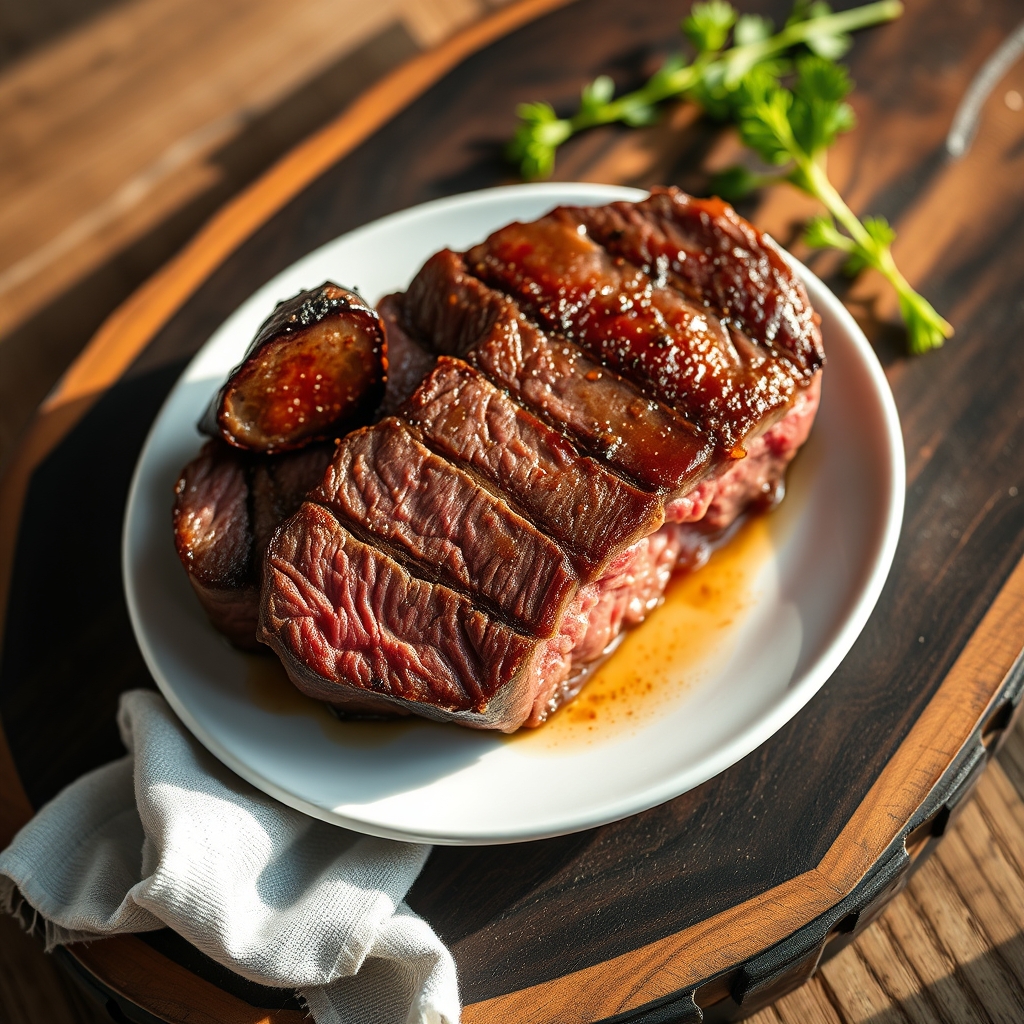
There are few things as luxurious and impressive as a perfectly cooked Beef Chateaubriand. This classic French dish, named after Viscount François-René de Chateaubriand, is made from the thickest, most tender part of the beef tenderloin. It’s a true showstopper, ideal for special occasions, elegant dinners, or simply when you want to treat yourself to something extraordinary. Don’t let its sophisticated reputation intimidate you; with a few key techniques, you can master this recipe and create a culinary masterpiece right in your own kitchen.
The beauty of Chateaubriand lies in its simplicity and the quality of the beef. We’re going to focus on achieving a beautiful sear on the outside while keeping the inside incredibly tender and juicy. This recipe guides you through selecting the right cut, preparing it, searing it to perfection, and cooking it to your desired doneness using a thoughtful method that ensures even results. Get ready to impress yourself and your guests with this unforgettable beef tenderloin preparation.
Why Chateaubriand is So Special
The Chateaubriand cut is specifically the central, thickest part of the beef tenderloin. This section is prized for its uniform thickness and exceptional tenderness, offering a melt-in-your-mouth texture that’s hard to beat. Unlike other cuts that might have varying thicknesses, the Chateaubriand’s consistent diameter makes it easier to cook evenly, ensuring every slice is perfection. It’s a cut that demands respect and careful preparation, but the reward is unparalleled flavor and texture.
Ingredients for Your Perfect Chateaubriand
The success of this beef chateaubriand recipe hinges on the quality of a few key ingredients. Opting for the best beef tenderloin you can find will make a significant difference.
For the Beef:
- 1.5 – 2 lb center-cut beef tenderloin (Chateaubriand cut), about 3-4 inches thick
- 2 tablespoons olive oil
- 2 tablespoons unsalted butter
- 2 sprigs fresh rosemary
- 2 sprigs fresh thyme
- 3 cloves garlic, smashed
- Salt and freshly ground black pepper to taste
Optional Sauce Ingredients (Béarnaise or Red Wine Reduction):
While the beef is the star, a complementary sauce elevates the experience. Consider a classic Béarnaise or a rich red wine reduction.
- For Red Wine Reduction: 1 cup red wine, 1/2 cup beef broth, 1 shallot (finely minced), 1 sprig thyme, 1 tablespoon butter.
- For Béarnaise Sauce: (Ingredients vary, but typically include egg yolks, butter, white wine vinegar, shallots, tarragon, and chervil).
How to Prepare a Show-Stopping Chateaubriand
Achieving a perfectly cooked Chateaubriand is a process that requires attention to detail, but it’s remarkably straightforward. Follow these steps to ensure a stunning result.
Step 1: Preparing the Beef Tenderloin
- Bring to Room Temperature: Remove the beef tenderloin from the refrigerator at least 1 hour, and up to 2 hours, before cooking. This is crucial for even cooking. Cold meat will cook unevenly, resulting in a tough exterior and an undercooked center. Pat the entire surface of the beef very dry with paper towels.
- Season Generously: Season the tenderloin liberally on all sides with salt and freshly ground black pepper. Don’t be shy with the seasoning; a thick cut of beef can handle a good amount of salt.
- Truss if Necessary: If the tenderloin isn’t perfectly uniform, you can truss it with butcher’s twine at intervals to help it maintain its shape and cook more evenly. This also helps keep the center dense and moist.
Step 2: Searing for a Perfect Crust
- Heat the Pan: Place a large, oven-safe skillet (cast iron is ideal) over medium-high heat. Add the olive oil and let it get hot until it shimmers but doesn’t smoke.
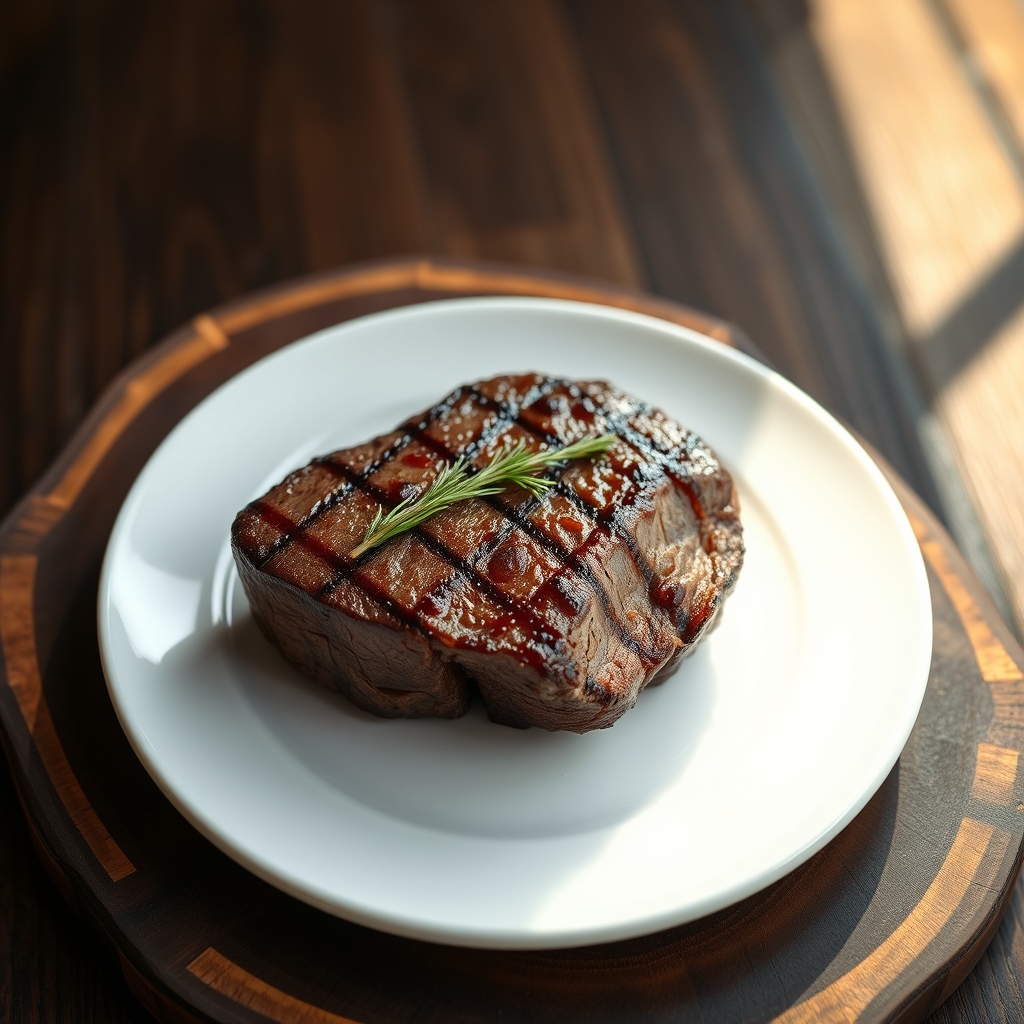
- Sear the Beef: Carefully place the seasoned tenderloin into the hot skillet. Sear for 2-3 minutes per side, until all surfaces have a deep, even brown crust. You want to build that beautiful Maillard reaction for flavor and appearance.
- Add Aromatics: Once seared, reduce the heat slightly to medium. Add the butter, rosemary sprigs, thyme sprigs, and smashed garlic cloves to the skillet. As the butter melts, tilt the pan and use a spoon to baste the tenderloin with the melted butter and infused aromatics. Continue basting for another 2-3 minutes, ensuring all sides are coated.
Step 3: Oven Finishing for Precision
- Preheat Oven: While searing the beef, preheat your oven to 400°F (200°C).
- Transfer to Oven: Once seared and basted, transfer the skillet with the beef tenderloin directly into the preheated oven.
- Cook to Temperature: This is where a meat thermometer is your best friend. Cook the Chateaubriand in the oven until it reaches your desired internal temperature:
- Rare: 120-125°F (49-52°C)
- Medium-Rare: 130-135°F (54-57°C) – Highly recommended for Chateaubriand
- Medium: 140-145°F (60-63°C)
Cooking time will vary depending on the thickness of your tenderloin and your oven, but typically ranges from 10-20 minutes for medium-rare.
- Rest the Beef: This is arguably the most critical step after cooking. Once it reaches the desired temperature, remove the skillet from the oven. Transfer the Chateaubriand to a clean cutting board, tent it loosely with foil, and let it rest for at least 10-15 minutes. This allows the juices to redistribute throughout the meat, ensuring a moist and tender result. Do not skip this step!
Step 4: Carving and Serving
- Remove Trussing: Carefully remove the butcher’s twine if you used it.
- Slice: Slice the rested Chateaubriand against the grain into thick, elegant portions (about 1-inch thick). The center should be beautifully pink and juicy.
- Serve: Arrange the slices on a warm platter and serve immediately with your chosen sauce.
Pro Tip: For an incredibly even cook and a beautifully browned crust, consider using the reverse sear method. This involves cooking the beef tenderloin at a low temperature in the oven first (around 250°F/120°C) until it’s about 10-15 degrees below your target internal temperature, then searing it in a very hot pan at the very end. This method ensures the inside is perfectly cooked before the outside develops a crust.
Serving Suggestions for Your Chateaubriand
A dish as exquisite as Chateaubriand deserves equally delightful accompaniments. The rich, tender beef pairs wonderfully with a variety of classic and elegant side dishes.
Classic Pairings:
- Sauces: Red Wine Reduction (as mentioned), Béarnaise Sauce, Bordelaise Sauce, or a simple pan sauce made from the drippings.
- Potatoes: Dauphinoise potatoes (gratin dauphinois), pommes Anna, crispy roasted potatoes, or creamy mashed potatoes.
- Vegetables: Asparagus spears (steamed or roasted), green beans almondine, creamed spinach, or glazed carrots.
- Bread: Crusty baguette or a rustic bread to sop up any extra sauce.
Wine Recommendations:
A full-bodied red wine is a natural partner for Chateaubriand. Consider a Bordeaux, Cabernet Sauvignon, Merlot, or a robust Syrah. The tannins and complex flavors in these wines beautifully complement the richness of the beef.
Conclusion: A Recipe for Celebration
Mastering the beef chateaubriand recipe is an achievement that will undoubtedly elevate your home cooking. It’s a dish that speaks of celebration, indulgence, and culinary skill honed through careful preparation and respect for prime ingredients. By focusing on a quality cut, proper seasoning, a beautiful sear, and precise cooking temperature, you ensure a tender, flavorful experience that is worth every effort.
Whether you’re marking an anniversary, hosting a holiday dinner, or simply want to create an unforgettable meal, this Chateaubriand recipe is your guide to success. The aroma filling your kitchen as it cooks, the anticipation, and finally, the first exquisite bite – it all culminates in a truly memorable dining experience. Enjoy the process, savor the results, and relish in the art of creating a classic with confidence.