The Easiest Rump Roast Recipe for a Tender, Flavorful Meal
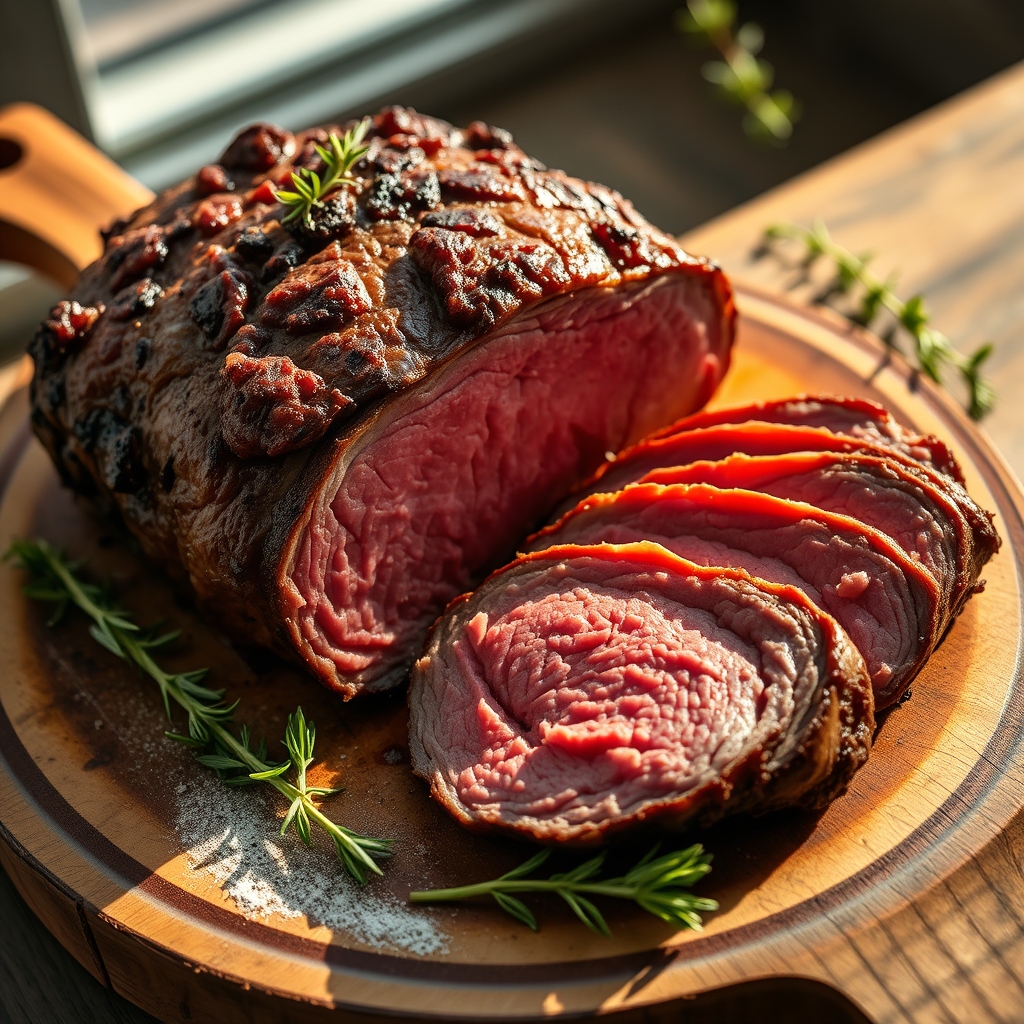
Cooking a satisfying and tender rump roast doesn’t have to be complicated. This recipe will guide you through creating a flavorful, fall-apart tender roast that’s perfect for a Sunday dinner or a comforting weeknight meal. We’ll focus on simple techniques that bring out the best in this cut of beef, ensuring a delicious result every time. Get ready to impress your family with this classic comfort food.
Ingredients You’ll Need
Gathering your ingredients is the first step to culinary success. For this simple yet delicious rump roast, you’ll want a few key items to build flavor and ensure tenderness.
For the Roast:
- 1 (3-4 pound) boneless beef rump roast
- 2 tablespoons olive oil
- 1 large onion, quartered
- 4 cloves garlic, smashed
- 2 carrots, cut into large chunks
- 2 celery stalks, cut into large chunks
- 1 cup beef broth
- 1/2 cup dry red wine (optional, substitute with more broth)
- 2 sprigs fresh rosemary
- 2 sprigs fresh thyme
- Salt and freshly ground black pepper to taste
For the Rub:
- 1 tablespoon smoked paprika
- 1 teaspoon garlic powder
- 1 teaspoon onion powder
- 1 teaspoon dried oregano
- 1/2 teaspoon cayenne pepper (optional, for a little heat)
How to Make the Perfect Rump Roast
The beauty of this rump roast recipe lies in its straightforward approach. We’ll sear the roast for incredible flavor and then let it slow-cook to perfection, infused with aromatics and savory liquids.
Preparing the Roast
Pat your rump roast completely dry with paper towels. This is a crucial step for achieving a beautiful sear. In a small bowl, combine the ingredients for the rub: smoked paprika, garlic powder, onion powder, dried oregano, and cayenne pepper if using. Mix well.
Generously season the entire surface of the rump roast with the prepared rub, pressing it in gently to adhere. Don’t forget the sides and edges!
Searing and Roasting
Preheat your oven to 325°F (165°C). Heat the olive oil in a large Dutch oven or oven-safe pot over medium-high heat. Once the oil is hot and shimmering, carefully place the seasoned rump roast into the pot. Sear the roast on all sides until deeply browned, about 3-4 minutes per side. This browning creates a rich flavor foundation.
Remove the roast from the pot and set it aside on a plate. Add the quartered onion, smashed garlic cloves, carrot chunks, and celery stalks to the same pot. Sauté for about 5 minutes until they start to soften and brown slightly, scraping up any browned bits from the bottom of the pot.
Building the Braising Liquid
Pour in the beef broth and red wine (if using). Bring the liquid to a simmer, stirring to incorporate all the flavorful bits released from the vegetables and the roast. Return the seared rump roast to the pot, nestling it among the vegetables. Add the fresh rosemary and thyme sprigs on top of the roast.
Slow Cooking to Tenderness
Cover the Dutch oven tightly with its lid. Carefully transfer the pot to the preheated oven. Cook for 3 to 4 hours, or until the rump roast is fork-tender. The exact cooking time will depend on the thickness of your roast and your oven. For shreddable tenderness, aim for the longer cooking time.
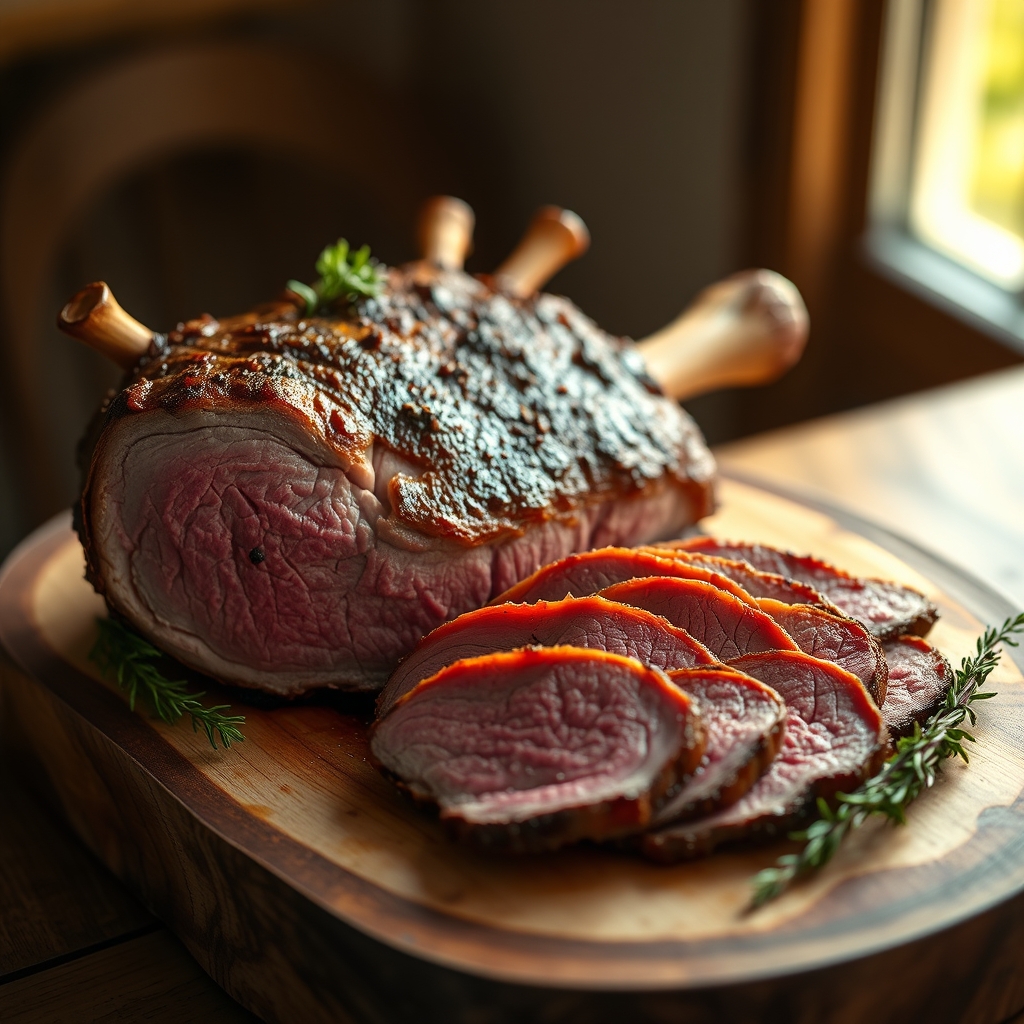
Once the roast is tender, carefully remove it from the pot and place it on a cutting board. Tent it loosely with foil and let it rest for at least 15-20 minutes before slicing or shredding. This resting period allows the juices to redistribute, resulting in a moister roast.
Tips for Success and Serving Ideas
Elevating your rump roast experience is easy with a few thoughtful tips. Paying attention to these details will ensure a restaurant-quality meal right in your own home.
Tips for the Best Roast
Don’t skip the sear: Searing locks in juices and creates a delicious crust that adds depth of flavor. Use a hot pan and don’t overcrowd it; sear in batches if necessary.
Low and slow is key: Rump roast benefits from slow cooking at a moderate temperature. This method breaks down the tough connective tissues, leading to a tender, succulent result.
Resting is essential: Allowing the roast to rest after cooking is critical for tender, juicy meat. It lets the muscle fibers relax and reabsorb the juices.
Sauce it up: Strain the cooking liquid from the pot and skim off any excess fat. You can thicken this liquid with a cornstarch slurry to create a savory gravy to serve alongside your roast. Adjust seasoning as needed.
Serving Suggestions
This tender rump roast pairs wonderfully with classic comfort food sides. Consider serving it with creamy mashed potatoes to soak up all the delicious gravy. Roasted root vegetables like parsnips and potatoes are also a fantastic accompaniment, complementing the rich flavor of the beef.
For a lighter touch, a crisp green salad or steamed green beans can provide a refreshing contrast. This versatile dish can be sliced and served as a main course, or shredded and used in sandwiches, tacos, or pot pies. Enjoy the comforting aroma and satisfying taste of your homemade rump roast!