The Best Kimchi Fried Rice Recipe
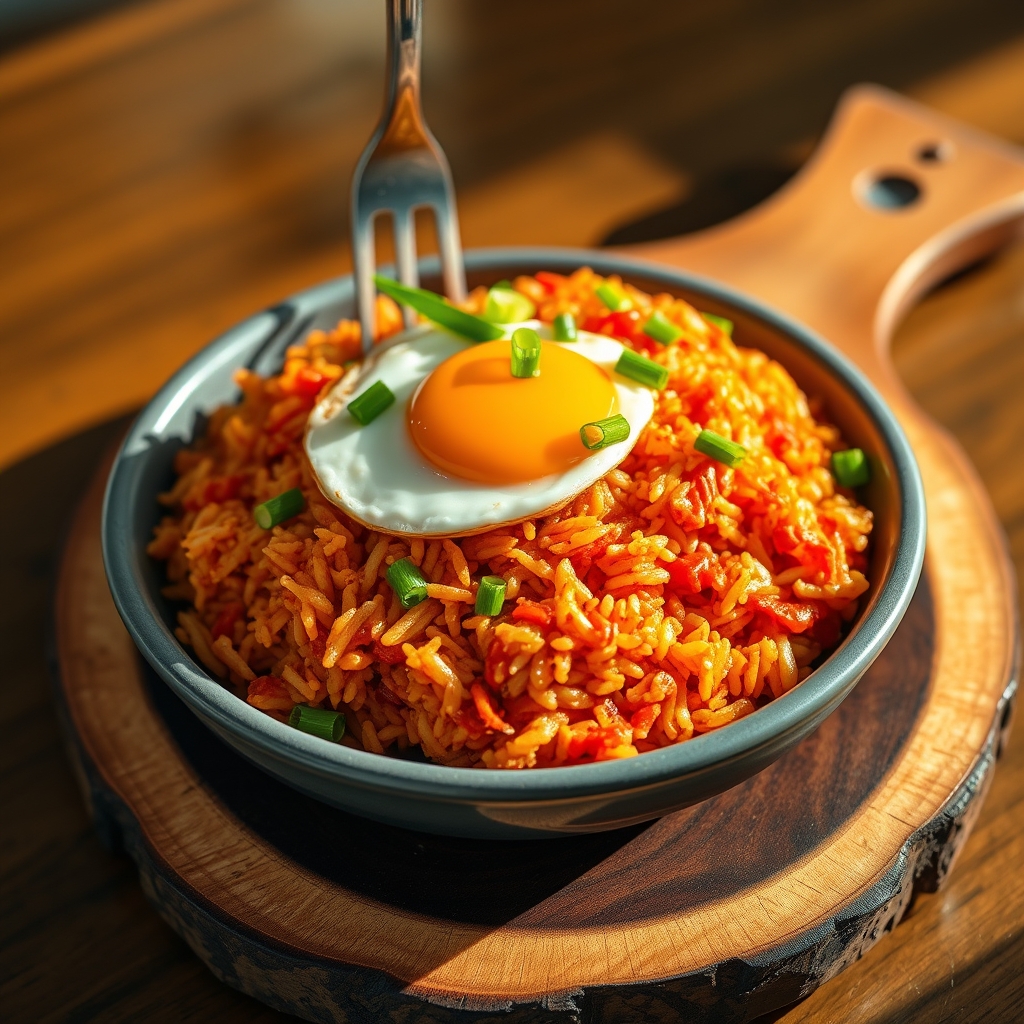
Kimchi fried rice, or “kimchi bokkeumbap,” is a beloved Korean comfort food. It’s the perfect way to use up leftover rice and ripe kimchi, transforming simple ingredients into a flavorful and satisfying meal. This dish is wonderfully versatile, and you can easily customize it with your favorite proteins and vegetables. Get ready to experience a burst of savory, spicy, and slightly tangy goodness with this easy recipe.
Ingredients You’ll Need
Gathering your ingredients is the first step to a successful batch of kimchi fried rice. The star of this dish is, of course, kimchi! Make sure to use well-fermented kimchi for the best depth of flavor. The older and riper your kimchi, the better the taste.
For the Kimchi Fried Rice Base:
- 2 tablespoons cooking oil (vegetable, canola, or sesame oil)
- 1 cup chopped well-fermented kimchi
- 1/2 cup kimchi juice (from the kimchi jar)
- 2 cups cooked rice (day-old rice is ideal for texture)
- 1/2 small onion, finely chopped (optional)
- 1 clove garlic, minced (optional)
- 1-2 tablespoons gochujang (Korean chili paste), adjust to spice preference
- 1 teaspoon soy sauce
- 1 teaspoon sugar (to balance the acidity of kimchi)
- Salt and freshly ground black pepper to taste
Optional Add-ins:
- 1/2 cup cooked protein (diced Spam, chopped ham, cooked chicken, pork, or tofu)
- 1/2 cup mixed vegetables (peas, corn, chopped carrots)
- 1-2 large eggs, for topping
- 1 green onion, thinly sliced, for garnish
- Toasted sesame seeds, for garnish
- Nori (seaweed) strips, for garnish
How to Make Kimchi Fried Rice
Making kimchi fried rice is surprisingly simple and quick. It’s a fantastic weeknight meal that comes together in under 30 minutes. The key is to get everything prepped before you start cooking. Ensure your rice is cooked and cooled (preferably from the day before) as this helps to prevent a mushy texture.
Sautéing the Aromatics and Kimchi:
- Heat the cooking oil in a large non-stick skillet or wok over medium-high heat.
- If using, add the chopped onion and cook until softened and translucent, about 2-3 minutes.
- Add the minced garlic and cook for another 30 seconds until fragrant. Be careful not to burn it.
- Add the chopped kimchi to the skillet. Sauté for about 5-7 minutes, stirring occasionally, until the kimchi softens and becomes slightly caramelized.
- If using any optional protein and vegetables (like Spam, ham, peas, or corn), add them now and cook for a few more minutes until heated through and slightly browned.
Adding the Rice and Flavorings:
- Add the cooked rice to the skillet. Break up any clumps of rice with your spatula.
- Pour in the kimchi juice, gochujang, soy sauce, and sugar. Stir everything together thoroughly, ensuring the rice is evenly coated with the kimchi mixture and seasonings.
- Continue to cook and stir-fry for another 5-8 minutes, allowing the rice to absorb the flavors and crisp up slightly. Taste and season with salt and pepper if needed. Remember that kimchi and soy sauce are already salty, so adjust accordingly.
Serving Your Kimchi Fried Rice:
- While the fried rice is finishing, you can prepare your eggs. You can fry sunny-side up eggs, over easy, or even poach them.
- Divide the kimchi fried rice among serving bowls.
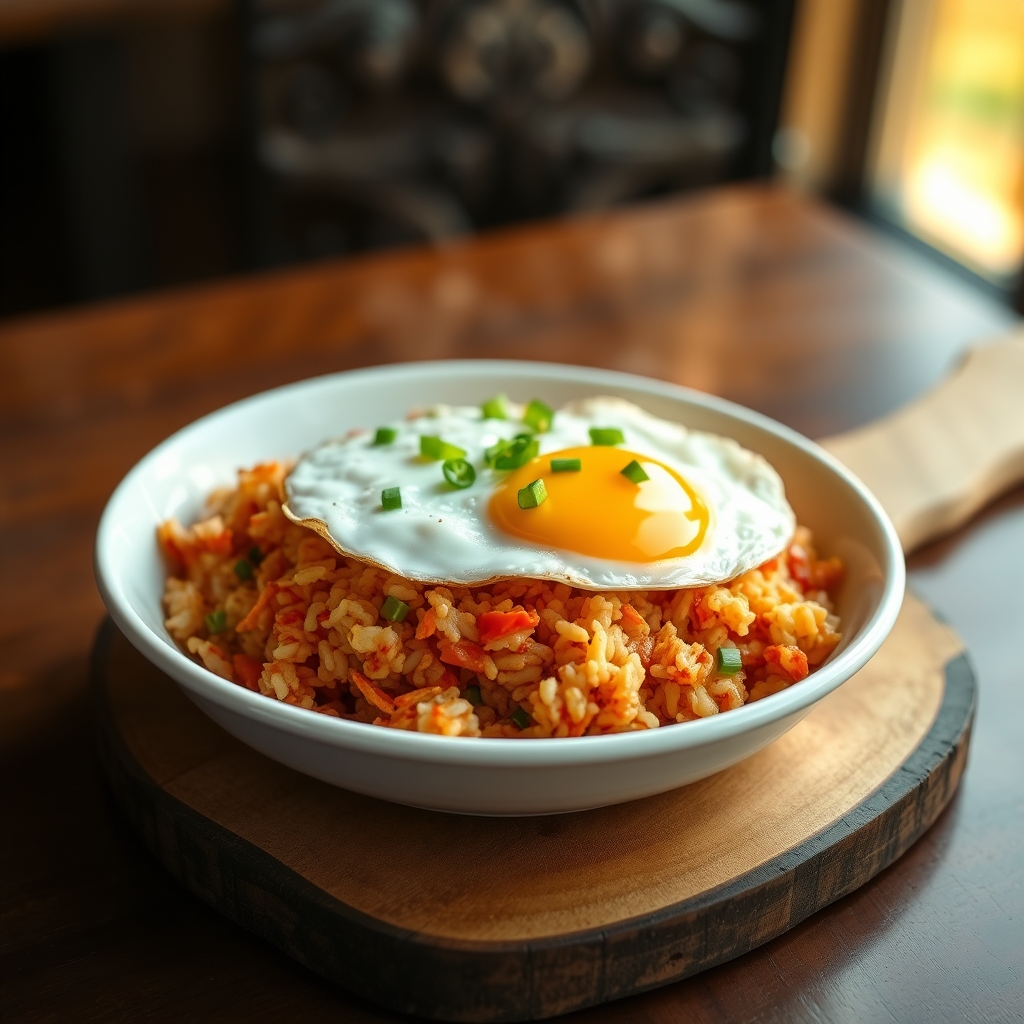
- Top each bowl with a fried egg (or your preferred egg style). The runny yolk is perfect for mixing into the rice!
- Garnish with sliced green onions, toasted sesame seeds, and nori strips if desired.
Tips and Variations
This kimchi fried rice recipe is a fantastic base, but feel free to experiment! Using day-old, cold rice is crucial for achieving the best texture. It holds its shape better and fries up nicely without becoming mushy.
Enhancing the Flavor:
Don’t be afraid to add a splash more kimchi juice if you like your fried rice extra tangy. For a richer flavor, you can also add a tablespoon of butter or a drizzle of sesame oil at the end of cooking.
Protein and Vegetable Ideas:
Beyond the basics, consider adding sautéed mushrooms, shredded cabbage, or even leftover bulgogi for a protein boost. A little bit of crumbled cooked bacon also makes a delicious addition.
Spice Level:
Adjust the amount of gochujang and the spiciness of your kimchi to control the heat. If it’s too spicy, you can add a pinch more sugar or a bit of shredded cheese on top.
Enjoy this delightful and easy kimchi fried rice recipe! It’s more than just a meal; it’s a taste of Korean home cooking that’s sure to become a regular in your rotation.