The Ultimate Bison Steak Recipe: Perfectly Cooked, Unforgettable Flavor
Prep time: 10 minutes | Cook time: 8-12 minutes | Servings: 2
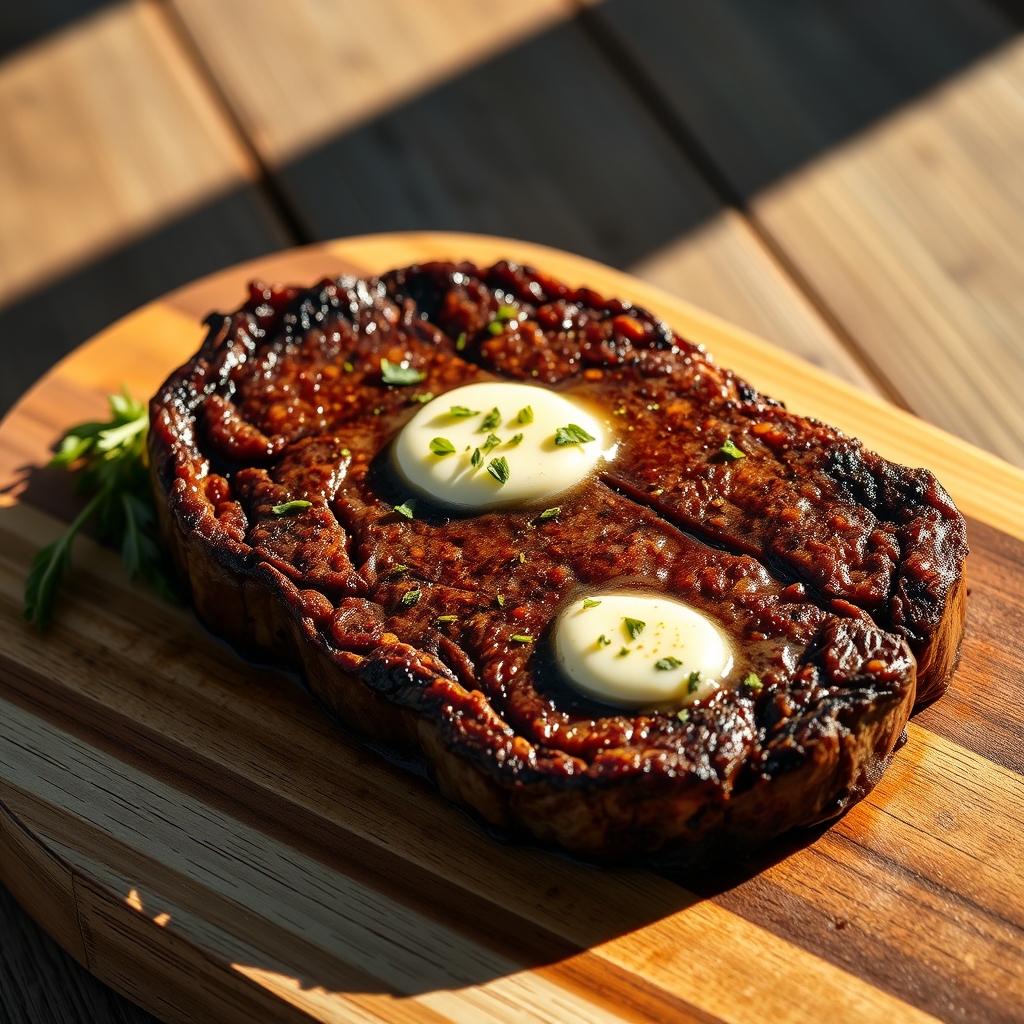
Bison steak, a leaner and often more flavorful alternative to beef, deserves a special treatment to truly shine. This recipe focuses on bringing out the natural, slightly sweet, and rich taste of bison, ensuring a tender and juicy steak every time. Forget complicated marinades or overpowering sauces; the beauty of a great bison steak lies in its simplicity and quality. Whether you’re a seasoned griller or new to cooking this magnificent meat, this guide will help you achieve steakhouse-worthy results right in your own kitchen.
Bison meat is known for its deep red color and fine grain, which hints at its leanness. Because it contains less fat than traditional beef cuts, it’s crucial to cook it carefully to avoid overcooking. The goal is a beautiful sear on the outside with a perfectly tender and moist interior. This method emphasizes a high-heat sear followed by a brief rest, allowing the juices to redistribute for maximum succulence.
Ingredients You’ll Need
For the Bison Steak
- 2 Bison steaks (Ribeye, New York Strip, or Sirloin), about 1 to 1.5 inches thick
- 1 tablespoon high-heat cooking oil (like avocado, grapeseed, or canola oil)
- 1 teaspoon kosher salt, or to taste
- 1/2 teaspoon freshly ground black pepper, or to taste
Optional Aromatics for Basting
- 2 sprigs fresh rosemary
- 2 cloves garlic, smashed
- 2 tablespoons unsalted butter
How to Achieve the Perfect Bison Steak
Preparation is Key
- **Bring to Room Temperature:** For even cooking, let your bison steaks sit at room temperature for at least 30 minutes to an hour before cooking. This ensures the center heats through at the same rate as the exterior.
- **Pat Dry:** Just before seasoning, thoroughly pat the steaks dry with paper towels. A dry surface is crucial for achieving a good sear. Moisture steams the meat rather than searing it.
- **Season Generously:** Season both sides of the steaks liberally with kosher salt and freshly ground black pepper. Don’t be shy with the salt; it helps create a flavorful crust.
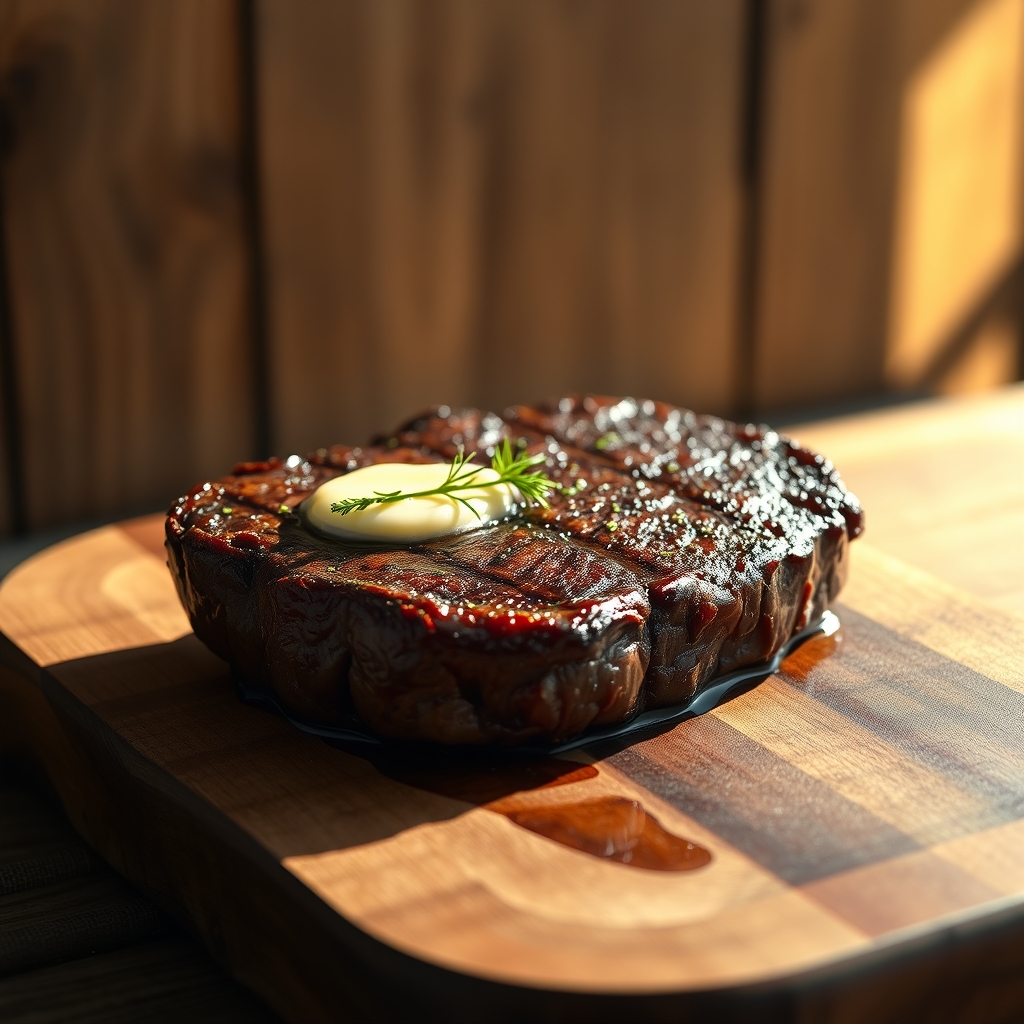
Searing for Flavor and Texture
- **Preheat Your Pan:** Place a heavy-bottomed skillet, preferably cast iron, over medium-high to high heat. Let it get screaming hot. Add the high-heat cooking oil. It should shimmer and begin to smoke slightly when it’s ready.
- **Sear the Steaks:** Carefully place the seasoned bison steaks into the hot skillet. You should hear a loud sizzle. Sear for 2-4 minutes per side, depending on the thickness of your steak and your desired doneness. Avoid moving the steaks too much during this initial sear to allow a deep crust to form.
- **Lower Heat and Baste (Optional):** If your skillet is oven-safe, you can transfer it to a preheated oven (around 350°F or 175°C) to finish cooking. Alternatively, reduce the heat to medium. Add the butter, smashed garlic cloves, and rosemary sprigs to the pan. As the butter melts, tilt the pan and use a spoon to continuously baste the steaks with the infused butter for another 2-5 minutes, or until the internal temperature reaches your desired level.
Pro Tip: Bison cooks faster than beef and can become tough if overcooked. Use a meat thermometer to check for doneness: 125-130°F (52-54°C) for rare, 130-135°F (54-57°C) for medium-rare. Remove the steak from the heat just before it reaches your target temperature, as it will continue to cook while resting.
Resting for Juiciness
- **The Crucial Rest:** Once cooked, transfer the bison steaks to a clean cutting board or plate. Tent loosely with foil and let them rest for at least 5-10 minutes. This is perhaps the most important step, allowing the juices to redistribute throughout the meat, ensuring every bite is incredibly moist and flavorful. Cutting into it too soon will result in all the delicious juices running out.
Serving Suggestions to Complement Your Bison Steak
A perfectly cooked bison steak doesn’t need much fuss. Its robust flavor pairs beautifully with simple, fresh sides. Imagine a vibrant green salad with a light vinaigrette, a classic baked potato, or some roasted asparagus. Creamy mashed potatoes or savory roasted root vegetables also make excellent companions, offering a comforting contrast.
For something a bit more special, consider a compound butter to melt over the steak as it rests. A red wine reduction sauce or a mushroom pan sauce can also elevate the dish, but use them sparingly to allow the natural taste of the bison to remain the star. Consider side dishes like wild rice pilaf, sautéed mushrooms, or a grilled corn salad.
Conclusion: Savoring the Richness of Bison
Cooking bison steak is a rewarding experience, offering a taste of something extraordinary. This simple recipe ensures you get the most out of this lean, flavorful meat. By paying attention to temperature, technique, and the essential resting period, you’ll consistently produce tender, juicy, and utterly delicious bison steaks that will impress any palate. Enjoy the satisfying heartiness and unique flavor profile that only bison can deliver.
Embrace the natural goodness of bison and enjoy this exceptional cut of meat. It’s a culinary adventure that’s surprisingly easy to master and incredibly rewarding. Happy cooking!