The Ultimate Savory Beef Tongue Recipe: Tender, Flavorful, and Surprisingly Easy
Prep time: 30 minutes | Cook time: 3-4 hours | Servings: 6-8

Beef tongue might not be the first thing that comes to mind when you think of classic cuts of meat, but it’s a culinary secret waiting to be discovered. Often overlooked, beef tongue is incredibly tender and rich when prepared correctly, boasting a flavor profile that’s somewhere between a classic roast beef and a succulent brisket. This recipe is designed to unlock that potential, turning a humble ingredient into an impressive and deeply satisfying dish. We’ll guide you through the simple process of boiling, peeling, and then simmering the tongue to absolute perfection, infusing it with aromatic spices and vegetables.
Don’t be intimidated by the thought of cooking tongue. It’s remarkably forgiving and the techniques are straightforward. The key is slow and low cooking, which breaks down the connective tissues, resulting in a melt-in-your-mouth texture that will surprise even the most skeptical diner. Whether you’re a seasoned home cook looking for a new adventure or a curious foodie wanting to explore beyond the usual, this beef tongue recipe is an excellent choice. Get ready to impress yourself and your guests with this delicious, underappreciated cut.
Ingredients You’ll Need
For Boiling the Tongue
- 1 whole beef tongue (about 2-3 pounds)
- 1 large onion, quartered
- 2-3 carrots, roughly chopped
- 2-3 celery stalks, roughly chopped
- 4-5 cloves garlic, smashed
- 1 bay leaf
- 1 teaspoon black peppercorns
- 1 teaspoon dried thyme
- Salt to taste (add halfway through boiling)
- Water to cover
For Simmering (Optional but Recommended)
- 2 tablespoons olive oil or butter
- 1 onion, thinly sliced
- 2 cloves garlic, minced
- 1/2 cup beef broth or dry red wine
- Salt and freshly ground black pepper to taste
How to Make Incredibly Tender Beef Tongue
Step 1: Prepare and Boil the Tongue
- Thoroughly rinse the beef tongue under cold running water. Place it in a large stockpot.
- Add the quartered onion, chopped carrots, celery, smashed garlic cloves, bay leaf, black peppercorns, and dried thyme to the pot.
- Pour in enough cold water to completely submerge the tongue, ensuring it’s covered by at least an inch or two of liquid.
- Bring the water to a rolling boil over high heat. Once boiling, reduce the heat to low, cover the pot, and let it simmer gently.
- Boil for approximately 3 to 4 hours, or until the tongue is very tender. You should be able to easily pierce the thickest part with a fork or skewer. About halfway through the cooking process, add salt to the water.
Step 2: Peel the Tongue
- Once the tongue is tender, carefully remove it from the pot using tongs. Reserve the flavorful broth for later use if desired.
- Let the tongue cool slightly until it’s comfortable to handle but still warm. This is crucial for easy peeling.
- Using a sharp paring knife, start at the thickest end of the tongue and gently peel away the tough outer skin. It should come off relatively easily due to the steam and cooking. If any spots are stubborn, you can use the knife to assist.
- Continue peeling until all the thick outer layer is removed, revealing the smooth, tender meat underneath.
Step 3: Finish and Slice
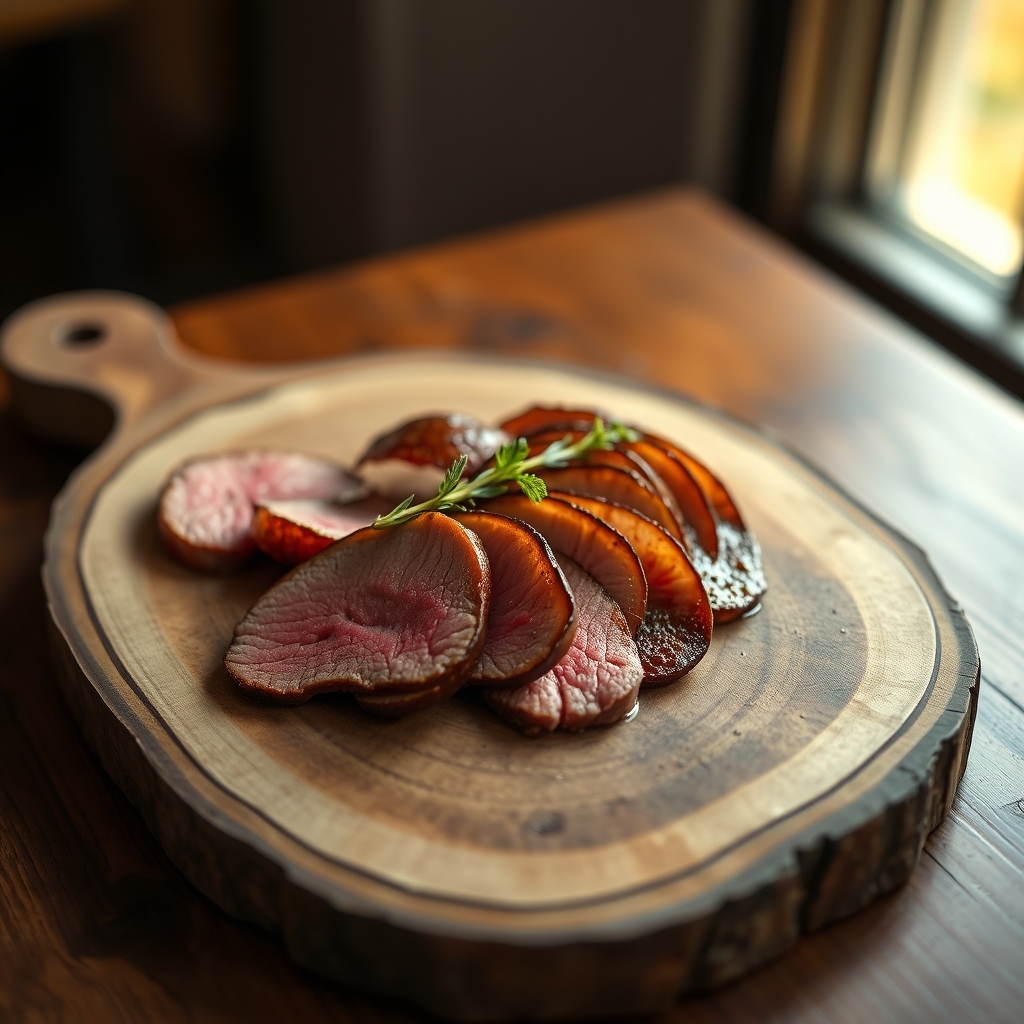
- Slice the peeled tongue into desired thickness, typically about 1/4 to 1/2 inch thick slices. The texture will be very soft and yielding.
- Optional Simmering: For an extra layer of flavor, heat olive oil or butter in a skillet over medium heat. Add the thinly sliced onion and cook until softened and lightly browned, about 5-7 minutes. Add the minced garlic and cook for another minute until fragrant.
- Add the sliced tongue to the skillet with the onions and garlic. Pour in the beef broth or red wine. Let it simmer for about 5-10 minutes, allowing the flavors to meld and the tongue to heat through. Season with salt and pepper.
- Alternatively, you can simply slice the boiled and peeled tongue and serve it as is.
Tips for Perfect Beef Tongue
Pro Tip: Ensure the tongue is hot when you attempt to peel it. This is the most crucial step for easy removal of the thick outer membrane. If it cools too much, return it to the hot broth for a few minutes to warm up. The better you peel, the smoother your final slices will be.
Choosing Your Tongue
When selecting a beef tongue, look for one that feels firm and has a pleasant, fresh smell. Beef tongues typically range from 2 to 3 pounds. If you’re buying from a butcher, they can often tell you the best way to prepare it. Some grocery stores might even sell pre-boiled and peeled tongues, which can save you a significant amount of time, though cooking it yourself allows for maximum control over flavor and texture.
Broth Flavor Boosters
Don’t discard the cooking liquid from boiling the tongue! Strained and degreased, this flavorful broth can be used as a base for soups, stews, gravies, or as the liquid for simmering the tongue (as in Step 3). You can also add additional aromatics to the boiling liquid, such as a parsnip, some parsley stems, or even a sliced apple, to impart subtle notes into the meat.
Serving Suggestions
Tender slices of beef tongue are incredibly versatile. They can be enjoyed in numerous ways, catering to different culinary traditions and preferences.
Classic Slices
Serve the sliced tongue warm as a main course. It pairs beautifully with mashed potatoes, roasted root vegetables, or a simple green salad. A dollop of horseradish sauce or a drizzle of the pan juices from the optional simmering step enhances its rich flavor.
Tacos and Sandwiches
For a more casual meal, use the sliced tongue in tacos, similar to carnitas. Soft corn tortillas, a sprinkle of onion and cilantro, and a squeeze of lime are all you need. It also makes an amazing filling for hearty sandwiches, perhaps with a savory aioli or a tangy mustard.
International Delights
In many cultures, beef tongue is a staple. Consider trying it in a Lengua Asada style with a flavorful marinade, or as a component in a rich, slow-cooked stew. Its mild natural flavor readily absorbs marinades and sauces, making it adaptable to a wide array of recipes from around the globe.
A Culinary Revelation
This beef tongue recipe transforms an often-misunderstood cut of meat into a culinary triumph. The process is forgiving, the steps are clear, and the result is undeniably delicious. The tender texture and savory depth of flavor will make you wonder why you ever hesitated. It’s a rewarding dish to prepare, offering a unique gastronomic experience that’s both satisfying and memorable. So, embrace the adventure and give this incredible beef tongue recipe a try. You won’t be disappointed!