The Ultimate Guide to a Tender and Flavorful Beef Tendon Recipe
Prep time: 30 minutes + 3-5 hours braising | Cook time: 3-5 hours | Servings: 6-8
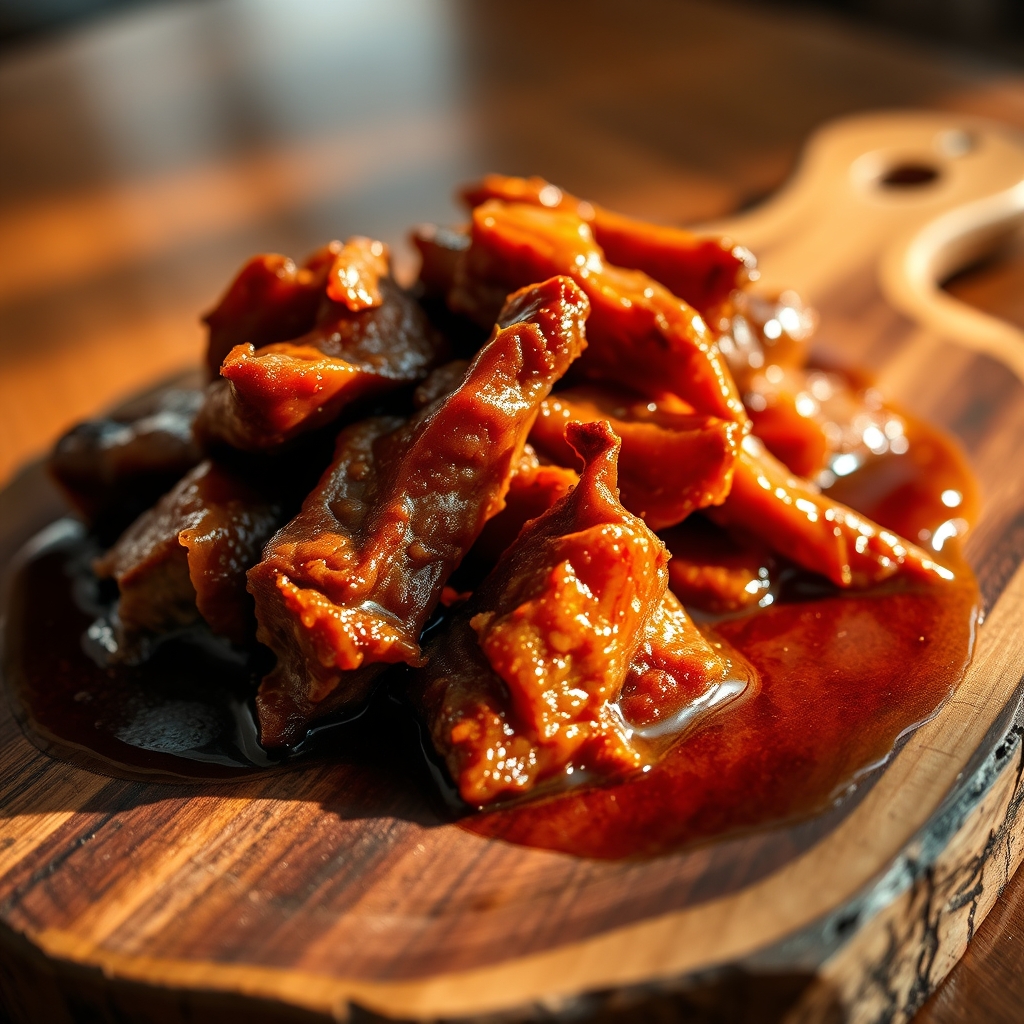
Beef tendon might not be the first ingredient that comes to mind when you’re planning your next meal, but trust me, it’s a hidden gem waiting to be discovered. For those unfamiliar, beef tendon is a dense, gelatinous cut that, when cooked properly, transforms into an incredibly succulent, melt-in-your-mouth experience. It’s packed with collagen, which is not only great for your joints and skin but also contributes to its luxurious texture. While it requires a bit of patience, the reward is a deeply satisfying dish that’s both comforting and elegant.
This recipe is all about coaxing out the best of beef tendon through slow braising. We’ll infuse it with aromatic spices and liquids that penetrate the tough fibers, breaking them down and creating layers of rich flavor. Forget tough, chewy tendon; we’re aiming for pure, unadulterated tenderness.
Ingredients You’ll Need
For the Beef Tendon
- 2 lbs beef tendon, cleaned and cut into 2-inch pieces
- 1 large yellow onion, quartered
- 4 cloves garlic, smashed
- 2-inch piece of ginger, sliced
- 2 star anise
- 1 cinnamon stick
- 3-4 whole cloves
- 2 tablespoons soy sauce
- 1 tablespoon dark soy sauce (for color)
- 1 tablespoon Shaoxing wine (or dry sherry)
- 1 teaspoon rock sugar (or granulated sugar)
- 4 cups beef broth (or enough to generously cover)
- Water, as needed
For Serving (Optional)
- Slivered scallions
- Fresh cilantro, chopped
- Chili oil
- Cooked rice or noodles
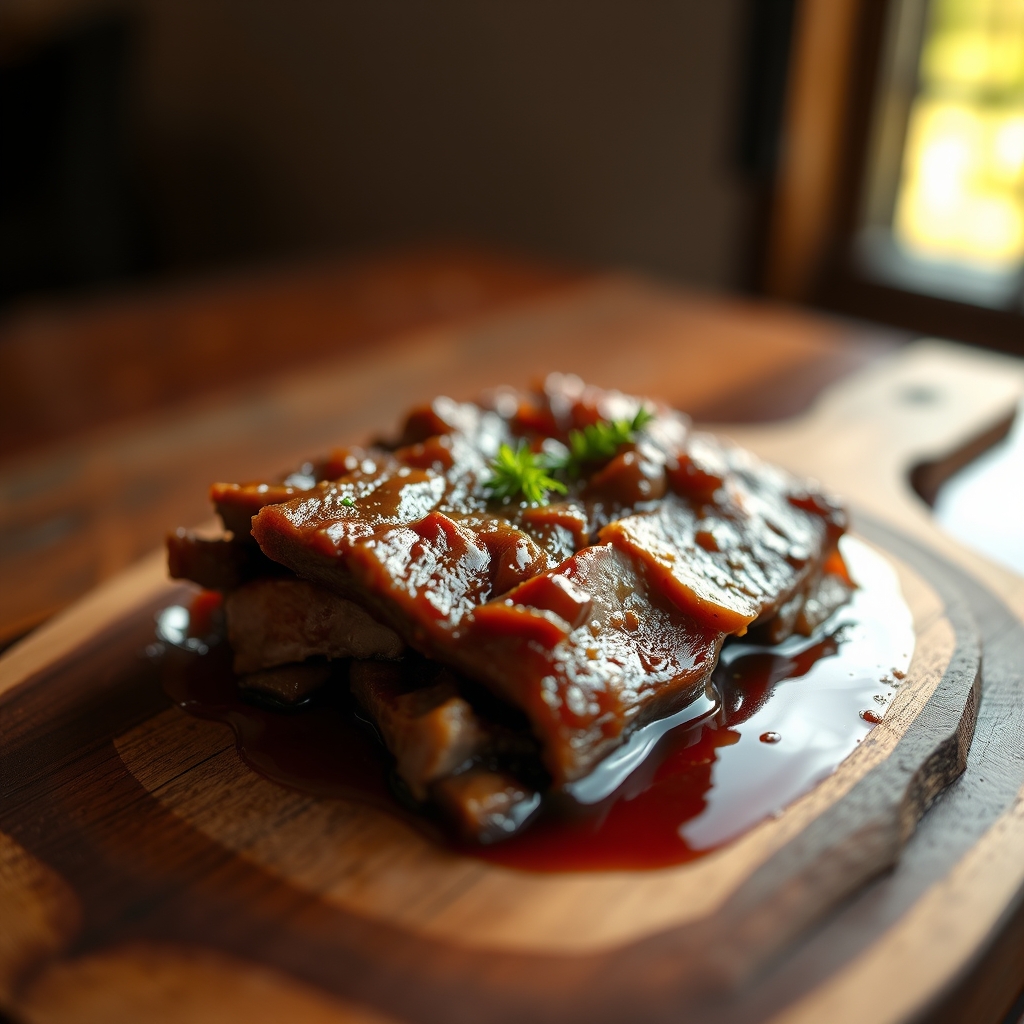
How to Achieve Perfect Tenderness
Step 1: Preparation and Blanching
Start by ensuring your beef tendon is thoroughly cleaned. Some butcher shops will do this for you, but if not, rinse it well under cold water. Cut the tendon into roughly 2-inch pieces. This initial cut helps with even cooking and makes it easier to handle later.
Next, we’ll blanch the tendon. Place the cleaned tendon pieces in a large pot and cover them with cold water. Bring to a rolling boil over high heat. Let it boil vigorously for about 5-7 minutes. You’ll see impurities and scum rise to the surface. Drain the tendon in a colander and rinse it thoroughly under cold water to remove any residue. This step is crucial for a clean flavor and to remove any any unpleasant odors.
Step 2: Building the Braising Liquid
In the same large pot (or a Dutch oven), add the blanched beef tendon. Now, let’s add our aromatics and flavorings. Toss in the quartered onion, smashed garlic cloves, and sliced ginger. This trifecta of aromatics forms the base of our flavor profile.
Next, add your spices: the star anise, cinnamon stick, and whole cloves. These add warmth and complexity to the braising liquid. For the wet ingredients, pour in the soy sauce, dark soy sauce (which adds a beautiful mahogany hue), and Shaoxing wine. Add the rock sugar for a touch of sweetness that balances the savory notes. Finally, pour in the beef broth. If it doesn’t quite cover the tendon, top it up with water. You want the tendon to be submerged or mostly submerged.
Pro Tip: If you have beef bones or a shank available, you can boil them separately for about 30 minutes to make a richer broth for braising. This will add another dimension of beefy flavor to your tendon.
Step 3: The Slow Braise
Bring the pot to a boil over high heat. Once boiling, reduce the heat to low, cover the pot tightly, and let it simmer gently. This is where patience comes in. We’re looking for a very low, steady simmer that just barely bubbles. The goal is to break down the collagen over a long period.
Braise for at least 3 to 5 hours. The exact time will depend on the thickness and quality of the tendon. You’ll know it’s done when a fork or chopstick can easily pierce through the tendon with no resistance. The tendon should be gelatinous and tender, not tough or rubbery. Check periodically and add more water or broth if the liquid level gets too low. Stir occasionally to prevent sticking.
Step 4: Finishing and Resting
Once the tendon is perfectly tender, you have a few options. You can either serve it directly from the braising liquid, allowing the rich broth to coat each piece, or you can reduce the liquid slightly. To reduce, remove the tendon from the pot and simmer the braising liquid uncovered for about 15-20 minutes, or until it thickens into a luscious sauce. Then, return the tendon to the thickened sauce and stir to coat.
For the best texture, let the beef tendon rest in the braising liquid for at least 15-30 minutes before serving. This allows the flavors to meld further and the tendon to reabsorb some moisture, ensuring maximum tenderness.
Tips for Success and Variations
Achieving Consistent Tenderness
The key to tender beef tendon is low and slow cooking. Don’t be tempted to rush the process by increasing the heat. A consistent, gentle simmer is your best friend here. If your stove doesn’t maintain a low simmer well, consider using a slow cooker on the “low” setting after bringing the braising liquid to a boil on the stovetop. You might need to adjust the liquid amount for a slow cooker.
Another tip is to cut the tendon into consistent sizes. This ensures everything cooks evenly. If you find some pieces are tender before others, you can remove the tender ones and continue cooking the rest.
Flavor Enhancements
Feel free to customize the braising liquid. A dash of dark soy sauce is great for color, but a bit of oyster sauce can add an extra layer of umami. Some people like to add a dried red chili for a hint of heat, or a bay leaf for added depth. If you want a spicier kick, a pinch of Sichuan peppercorns can be a wonderful addition.
For a richer, more intensely flavored sauce, you can strain the braising liquid, discard the solids, and then reduce it further on the stovetop. Skim off any excess fat if desired.
Serving Suggestions
This braised beef tendon is incredibly versatile. It’s often served in Asian cuisines in broths, stir-fries, or braised dishes. The rich, gelatinous texture makes it a fantastic topping for a steaming bowl of rice or noodles. Spoon some of the thickened braising sauce over the top for an extra burst of flavor.
Garnish with fresh slivers of scallions and chopped cilantro for a pop of color and freshness. A drizzle of chili oil or a side of pickled chilies can elevate the dish for those who enjoy a bit of heat. For a complete meal, pair it with some blanched greens like bok choy or gai lan.
Leftovers are truly a gift; the flavor only deepens overnight. Reheat gently in the braising liquid or a little broth to maintain that wonderfully tender texture.