Classic Beef Tartare Recipe: A Culinary Masterpiece
Prep Time: 20 minutes | Cook Time: 0 minutes | Servings: 4
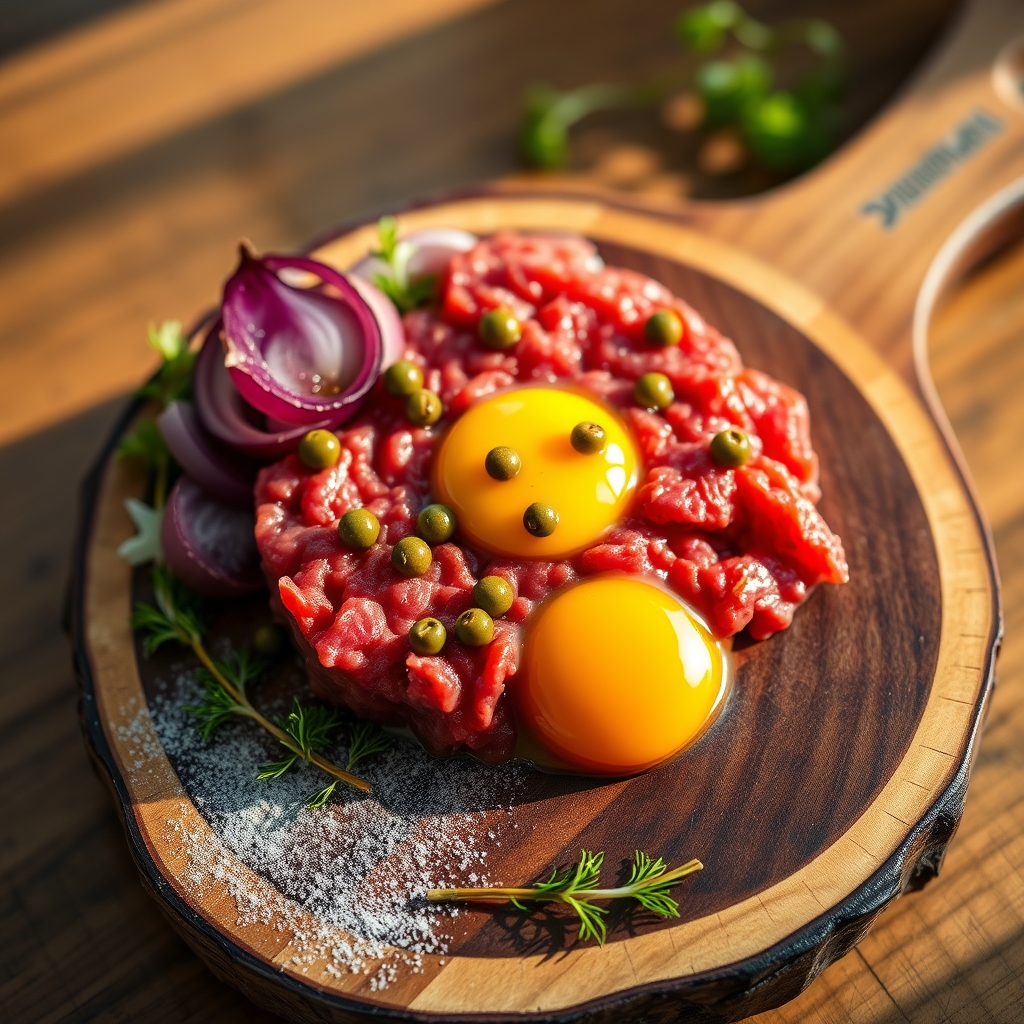
Beef tartare is a dish that truly celebrates the pure, unadulterated flavor of prime beef. It’s a testament to culinary simplicity, where high-quality ingredients are the stars of the show. This classic preparation, served raw and meticulously seasoned, offers a luxurious and intensely satisfying experience. Forget any preconceived notions you might have; a well-made beef tartare is a delicate dance of textures and tastes, often misunderstood but universally adored by those in the know.
The beauty of beef tartare lies in its elegance and the confidence it inspires. It’s a dish that demands respect for its ingredients, particularly the beef, which must be impeccably fresh and of the highest quality. This recipe will guide you through creating a phenomenal beef tartare in your own kitchen, proving that gourmet dining doesn’t always require hours of cooking. We’ll focus on the essentials: the right cut of beef, careful preparation, and a balanced blend of seasonings and accompaniments that elevate, rather than overpower, the star component.
The Art of Selecting and Preparing the Beef
The foundation of any exceptional beef tartare is, without a doubt, the beef itself. The choice of cut is paramount, as it dictates the texture, flavor, and overall success of the dish. For tartare, you want beef that is lean yet tender, with a fine grain. Traditionally, the tenderloin (filet mignon) is prized for its unparalleled tenderness and delicate flavor. However, other excellent options include the sirloin or even a well-trimmed ribeye, provided they are meticulously de-veined and de-gristled.
Choosing Your Cut
When selecting your beef, always prioritize quality and freshness. Opt for a cut that is bright red, firm to the touch, and shows no signs of discoloration or off-odors. It’s often best to ask your butcher for a cut specifically for tartare, as they can ensure it’s clean and prepped to perfection. This is not a dish where you want to compromise on the quality of your protein. The flavor of the beef will be front and center, so it must be of exceptional caliber.
The Importance of Hand-Chopping
While some recipes suggest using a meat grinder, the purists (and many chefs) will argue for hand-chopping the beef. Using two sharp knives to finely dice the beef by hand offers a superior texture. Grinding can compress the meat and alter its delicate structure, leading to a paste-like consistency. Hand-chopping maintains a slight chewiness and a more appealing mouthfeel, allowing each tiny piece of beef to retain its individual integrity. This process requires patience but is critical for achieving that sublime texture characteristic of authentic beef tartare.
Ingredients for a Harmonious Tartare
- 1 pound (450g) high-quality, lean beef tenderloin (or sirloin), meticulously trimmed of all sinew and fat
- 2 tablespoons finely minced shallots
- 1 tablespoon capers, thoroughly drained and finely chopped
- 1 tablespoon finely chopped fresh parsley
- 1 tablespoon Dijon mustard
- 1 tablespoon Worcestershire sauce
- 1 pinch cayenne pepper (optional, for a subtle kick)
- Salt to taste
- Freshly ground black pepper to taste
- 2 large egg yolks (ensure they are very fresh and safe for raw consumption)
- Extra virgin olive oil (a small drizzle, optional)
How to Make Beef Tartare
Prepare the Beef: Place the trimmed beef on a clean cutting board. Using two very sharp knives, finely dice the beef. Work in small batches and aim for pieces that are roughly the size of small peas. Place the diced beef into a chilled mixing bowl. Do not overwork the meat; you want distinct pieces, not a paste.
Combine Ingredients: Add the finely minced shallots, chopped capers, chopped parsley, Dijon mustard, Worcestershire sauce, and cayenne pepper (if using) to the bowl with the beef. Gently toss to combine everything. Be careful not to mash the beef.
Season Carefully: Season the mixture generously with salt and freshly ground black pepper. Taste a very small amount (if you are comfortable doing so with the raw ingredients) or rely on your judgment. The seasonings should enhance the beef flavor, not overpower it. Remember that the capers and Worcestershire sauce already bring saltiness.
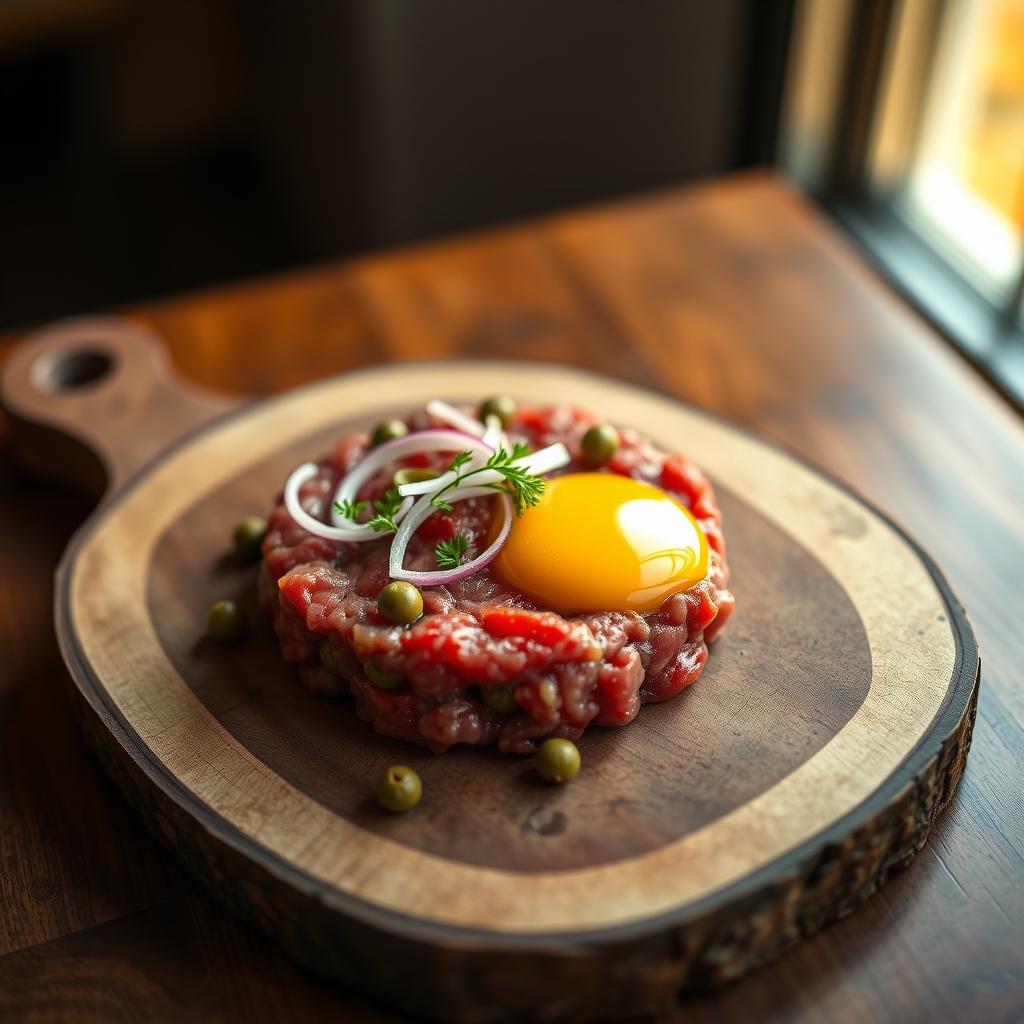
Add the Egg Yolks (Optional but Recommended): For an extra creamy and rich texture, gently incorporate the two fresh egg yolks right before serving. You can either mix them in gently for a more uniform consistency or place a whole yolk delicately on top of each individual portion.
Chill Briefly: Cover the bowl and let the tartare chill in the refrigerator for about 10-15 minutes. This allows the flavors to meld and ensures the dish is served perfectly cold. Do not chill for too long, as this can affect the texture of the raw beef.
Serve Immediately: Beef tartare is best enjoyed fresh. Gently form the tartare into quenelles or mounds using two spoons or a mold ring. Serve immediately with your chosen accompaniments.
Serving Suggestions and Variations
The classic accompaniments for beef tartare are designed to provide textural contrast and complementary flavors that elevate the raw beef. Thinly sliced baguette or toasted sourdough is a must for scooping up every delicious morsel. Cornichons, with their sharp, vinegary bite, cut through the richness of the beef beautifully. A small side of mixed greens dressed simply with vinaigrette can offer a refreshing counterpoint.
Classic Pairings
Beyond bread and pickles, consider finely minced red onion or chives for a bit of pungency. Aioli or a simple mayonnaise can be offered on the side, though some find it unnecessary if the tartare is seasoned well. The key is balance; you want elements that enhance, not mask, the exquisite flavor of the beef.
Creative Twists
While the classic recipe is legendary, there’s room for creativity. Some chefs introduce a hint of anchovy paste for umami depth, a touch of sriracha for warmth, or even a whisper of truffle oil for an aromatic luxury. Another popular variation involves incorporating finely diced raw egg yolk directly into the mixture for unparalleled creaminess. Experimentation is encouraged, but always start with a solid understanding of the classic flavors.
A Dish of Refined Taste
Creating a beef tartare recipe is less about complex cooking techniques and more about respect for the ingredients and attention to detail. It’s a dish that rewards quality and precision, offering a refined dining experience that is both sophisticated and incredibly satisfying. The journey from selecting the finest cut of beef to the final, artful presentation is a culinary adventure in itself.
This classic preparation, with its emphasis on fresh, raw beef and a harmonious blend of seasonings, is a timeless appetizer or light meal. It’s a celebration of simple, honest flavors, allowing the inherent quality of the beef to shine through. Whether you’re a seasoned home cook or embarking on your culinary journey, mastering this beef tartare recipe will undoubtedly impress and delight. Enjoy the pure, unadulterated luxury of this gastronomic gem.