Authentic Filipino Beef Sinigang Recipe
Prep time: 20 minutes | Cook time: 1.5 – 2 hours | Servings: 6-8
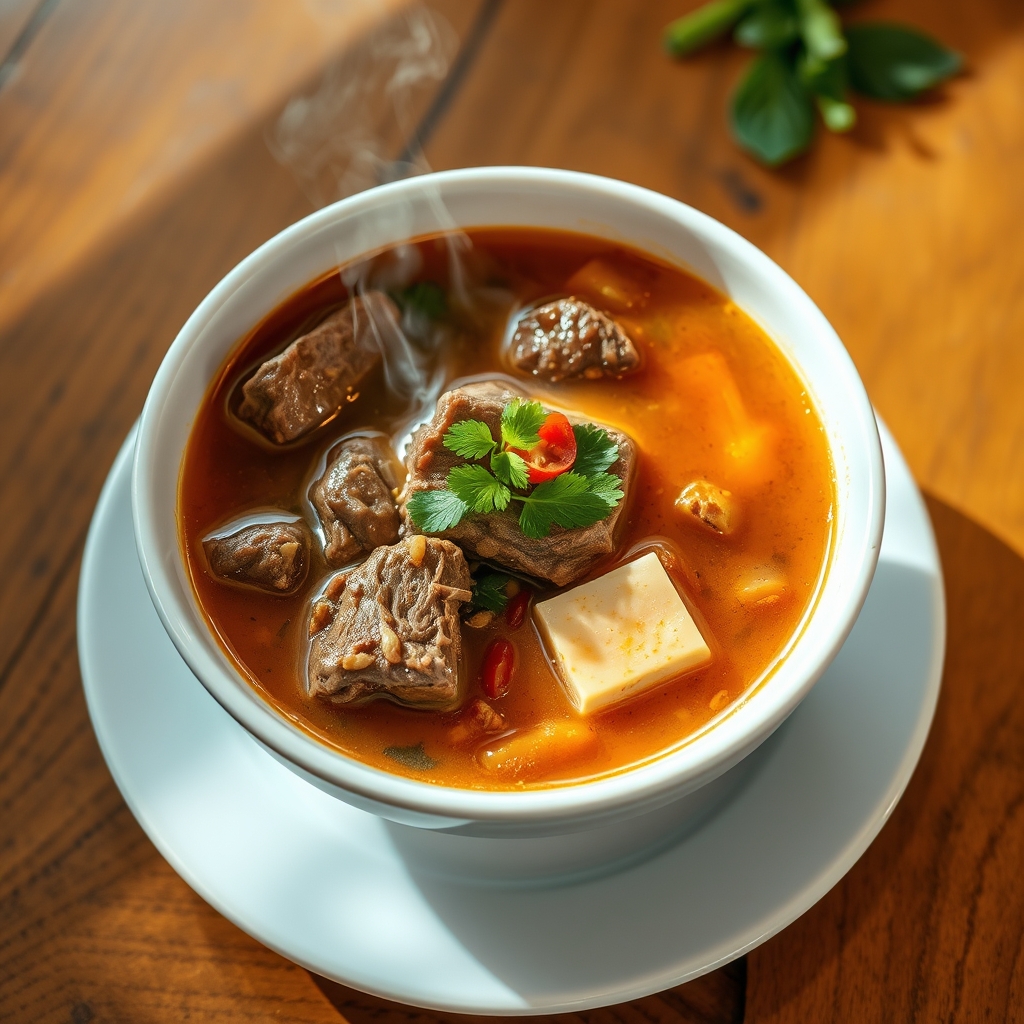
There’s nothing quite like a steaming bowl of authentic Filipino Beef Sinigang to warm your soul and tantalize your taste buds. This iconic sour and savory soup is a staple in Filipino households, celebrated for its complex yet comforting flavors. The hallmark of sinigang is its delightful sourness, traditionally achieved with tamarind, but often enhanced or substituted with other souring agents like guava, calamansi, or even unripe star fruit. This recipe focuses on the classic tamarind base, yielding a deeply satisfying broth that perfectly complements the tender beef and fresh vegetables.
Making beef sinigang from scratch might seem daunting, but with this detailed guide, you’ll find it’s an achievable and incredibly rewarding endeavor. We’ll walk you through selecting the best cuts of beef for tenderness, achieving that perfect sour broth, and layering in the fresh vegetables for a truly authentic taste of the Philippines. Get ready to impress your family and friends with a dish that’s not just a meal, but a culinary journey.
Ingredients You’ll Need
For the Beef and Broth:
- 1 kg (about 2.2 lbs) beef shank or beef ribs, cut into 2-inch cubes
- 10 cups water
- 1 large onion, quartered
- 2-3 tomatoes, quartered
- 1 tablespoon fish sauce (patis), plus more to taste
- 1 teaspoon black peppercorns
For the Sourness and Vegetables:
- 1 packet (approx. 40g) sinigang sa sampalok mix (tamarind soup base mix), or use fresh tamarind pulp
- 1 bunch daikon radish (labanos), peeled and sliced into 1-inch thick rounds
- 10-15 pieces okra
- 1 bunch long beans (sitaw), cut into 2-inch lengths
- 1 large eggplant, cut into 1-inch thick rounds
- 1 bunch kangkong (water spinach) or spinach, tough stems removed
- 2-3 long green chilies (siling haba), for mild spice (optional)
How to Make Authentic Beef Sinigang
Step 1: Prepare the Beef and Build the Broth
- Rinse the beef cubes under cold water and place them in a large pot.
- Add the 10 cups of water, onion quarters, and tomato quarters to the pot.
- Add the fish sauce and black peppercorns.
- Bring the pot to a boil over medium-high heat. Once boiling, skim off any scum or impurities that rise to the surface. This is crucial for a clear and clean-tasting broth.
- Reduce the heat to low, cover the pot, and let it simmer gently for at least 1 to 1.5 hours, or until the beef is fork-tender. The longer it simmers, the more tender the beef and the richer the broth will be. Check periodically and add more water if the liquid level gets too low.
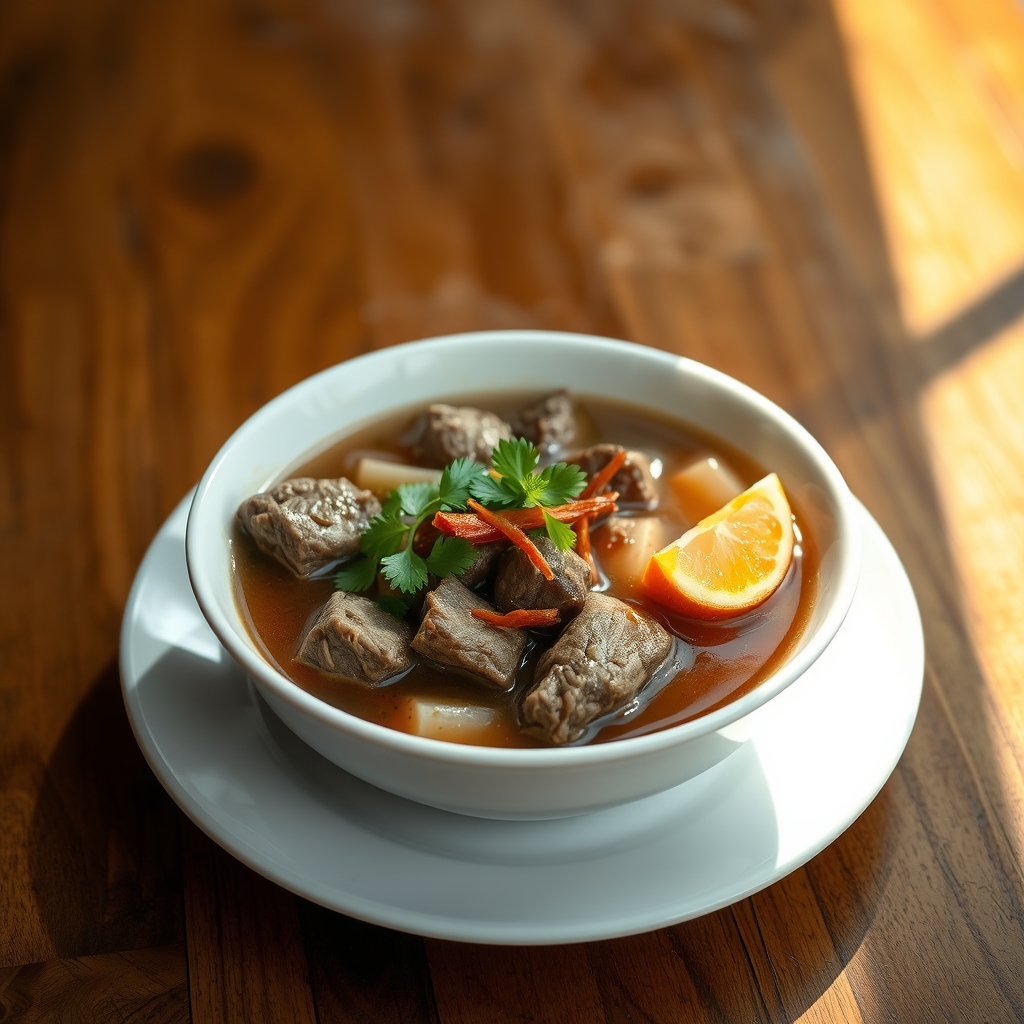
Step 2: Add the Souring Agent and Vegetables
- Once the beef is tender, remove the onion and tomato pieces if desired, or leave them in for added flavor.
- Stir in the sinigang sa sampalok mix until dissolved. If using fresh tamarind, boil about 1 cup of pulp in 2 cups of water for 15 minutes, mash the pulp through a sieve to extract the juice, discard solids, and add this juice to the pot.
- Bring the soup back to a gentle boil.
- Add the firmer vegetables first: daikon radish and long beans. Simmer for about 5-7 minutes.
- Add the okra and eggplant. Cook for another 3-5 minutes, or until these vegetables are tender-crisp. Avoid overcooking them to maintain their texture and vibrant colors.
- Tuck in the kangkong (or spinach) and the long green chilies (if using). Cook for just 1-2 minutes until the greens wilt.
Step 3: Adjust Seasoning and Serve
- Taste the broth and adjust the seasoning. You might need to add more fish sauce for saltiness or a pinch of salt if it’s not savory enough. If you prefer it sourer, you can add more sinigang mix or a squeeze of fresh calamansi.
- Once the flavors are balanced and vegetables are cooked to your liking, ladle the beef sinigang into serving bowls, ensuring each bowl gets a generous portion of beef and vegetables.
- Serve hot with steamed white rice.
Pro Tips for the Best Beef Sinigang
Pro Tip: For an even richer broth, you can parboil the beef first (boil for 5-10 minutes, drain, and rinse) before simmering. This helps remove impurities and excess fat, resulting in a cleaner taste. Also, don’t be afraid to experiment with different souring agents – a mix of tamarind and guava can add a lovely dimension of flavor.
Choosing the Right Beef Cut
Beef shank (often with bone) and beef ribs are excellent choices for sinigang because they contain connective tissues that break down during the long simmering process, resulting in incredibly tender meat and a gelatinous, flavorful broth. Brisket or chuck roast also works well. Avoid lean cuts, as they can become tough and dry during extended cooking.
Mastering the Sourness
While sinigang mixes are convenient, using fresh tamarind is the traditional and arguably most flavorful method. You can also find frozen tamarind pulp in Asian markets, which is a great compromise. For those who enjoy a more intense sourness, a squeeze of fresh calamansi juice or a few slices of kamias (bilimbi) can be added towards the end of cooking.
Serving Suggestions
Beef Sinigang is a complete meal on its own, especially when served piping hot with plenty of steamed white rice. The rice is essential for soaking up the delicious, tart broth. Traditionally, a small side dish of extra fish sauce (patis) with crushed chili is offered for those who like a little extra kick or saltiness. Some households also enjoy a small bowl of sauteed garlic and onions to sprinkle over the rice or soup.
A Taste of Home
Filipino Beef Sinigang is more than just a soup; it’s a comforting embrace, a reminder of home kitchens, and a testament to the vibrant flavors of Philippine cuisine. Its unique balance of sourness and savoriness, coupled with tender beef and fresh vegetables, makes it a universally loved dish. This recipe provides a solid foundation for creating this classic Filipino comfort food in your own home. Don’t hesitate to adapt it to your preferences, but always remember the key elements: tender beef, a flavorful broth, and that signature sour tang that defines sinigang.
Enjoy the process of making and savoring this beloved Filipino dish. From the first aromatic whiff to the last spoonful of broth, you’ll understand why Beef Sinigang holds such a special place in the hearts of many. Masarap na pagkain!