The Ultimate Grilled Beef Ribs Recipe
Prep time: 20 minutes | Cook time: 2-3 hours | Servings: 4-6
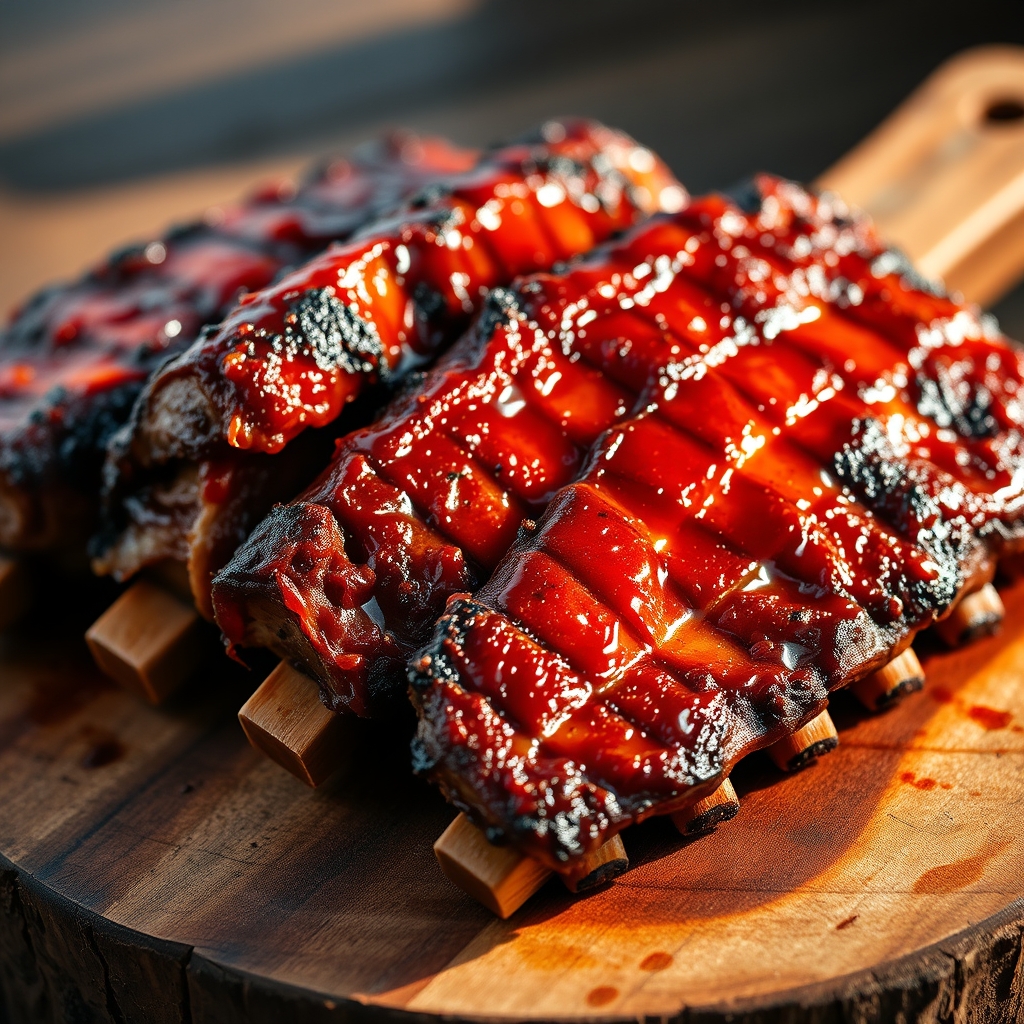
There’s something undeniably primal and satisfying about sinking your teeth into a tender, smoky, fall-off-the-bone beef rib that’s been kissed by the flames of a grill. Forget those dry, tough ribs you might have endured; this beef ribs recipe grill method will transform your backyard barbecues into legendary events. Whether you’re a seasoned pitmaster or just starting your grilling journey, this guide will lead you to perfectly cooked, incredibly flavorful beef ribs every single time. We’re talking about a rich, savory crust, succulent meat, and an aroma that will have your neighbors peeking over the fence in envy.
Grilling beef ribs might seem intimidating, but with the right techniques and a little patience, you’ll achieve results that rival any steakhouse. The key is a low and slow cooking process that breaks down the connective tissues, making the meat exceptionally tender, followed by a final blast of heat to achieve that coveted smoky char. Let’s get started on crafting the most delicious grilled beef ribs you’ve ever tasted.
Ingredients for Flavorful Beef Ribs
The beauty of great beef ribs lies in letting the quality of the beef shine, enhanced by a simple yet powerful rub and the smoky infusion from the grill. Here’s what you’ll need to create your masterpiece:
Beef Ribs & Rub Base
- 3-4 lbs beef short ribs (English cut, bone-in, about 1.5-2 inches thick)
- 2 tablespoons olive oil
The All-Purpose Dry Rub
- 2 tablespoons smoked paprika
- 1 tablespoon garlic powder
- 1 tablespoon onion powder
- 1 tablespoon brown sugar
- 2 teaspoons kosher salt (or sea salt)
- 1 teaspoon black pepper
- 1 teaspoon chili powder (optional, for a touch of heat)
Optional Glaze/Basting Liquid
- 1/2 cup your favorite BBQ sauce
- 2 tablespoons honey or maple syrup
How to Achieve Perfect Grilled Beef Ribs
This recipe utilizes a two-zone grilling method, which is crucial for tenderizing tough cuts like beef ribs. One side of your grill will be hot, and the other will be cooler, allowing us to manage the cooking temperature perfectly.
-
Prepare the Ribs:
Pat the beef ribs completely dry with paper towels. This is key for the rub to adhere well. If there’s a thick membrane on the bone side, you can carefully trim it off or score it with a sharp knife. Drizzle the ribs with olive oil and rub it all over to create a sticky surface for the spices. -
Apply the Rub:
In a small bowl, whisk together all the ingredients for the dry rub. Generously season the ribs on all sides, pressing the rub gently into the meat. Don’t be shy – you want a nice, thick coating of this flavor power! Let the ribs sit at room temperature for about 30 minutes while you prepare your grill. -
Set Up Two-Zone Grilling:
Prepare your grill for indirect heat. For a charcoal grill, pile hot coals on one side and leave the other side empty. For a gas grill, turn on burners on one side to medium-high heat, and leave the burners on the other side off or on the lowest setting. Aim for an internal grill temperature of around 250-275°F (120-135°C). Add wood chunks or chips (like hickory, oak, or mesquite) to the coals or to a smoker box for extra smoky flavor. -
Initial Sear:
Place the seasoned ribs directly over the hot side of the grill for about 2-3 minutes per side. This initial sear helps to develop a delicious crust. Don’t overcook them here; we’re just looking for color. -
Slow Cook with Indirect Heat:
Move the ribs to the cooler, indirect heat side of the grill. Close the grill lid and let them cook slowly. The total cooking time will vary depending on the thickness of the ribs and your grill’s temperature, but expect 2 to 3 hours. Resist the urge to constantly flip or move them. -
The Texas Crutch (Optional):
After about 1.5 to 2 hours, or when the ribs start to feel tender when probed with a fork (but not yet falling apart), you can wrap them tightly in butcher paper or heavy-duty aluminum foil. This “Texas Crutch” helps to push through the stall where the evaporative cooling slows down the cooking process and locks in moisture. Return the wrapped ribs to the indirect heat zone. -
Glazing and Final Cook:
If you’re using a glaze, unwrap the ribs during the last 30-45 minutes of cooking. Mix the BBQ sauce and honey/maple syrup together. Brush this mixture generously over the ribs. You can either place them back on the indirect heat for a short period to let the glaze set, or for a more intense caramelization and char, move them briefly back over the direct heat for a minute or two per side (watch carefully to prevent burning). The ribs are done when they are incredibly tender, almost falling off the bone. An instant-read thermometer inserted into the thickest part of the meat (not touching bone) should register around 195-205°F (90-96°C). -
Rest is Best:
Once they’ve reached perfect tenderness, remove the ribs from the grill. Tent them loosely with foil and let them rest for at least 10-15 minutes. This crucial step allows the juices to redistribute throughout the meat, ensuring maximum moisture and flavor.
Serving and Enjoying Your Grilled Beef Ribs
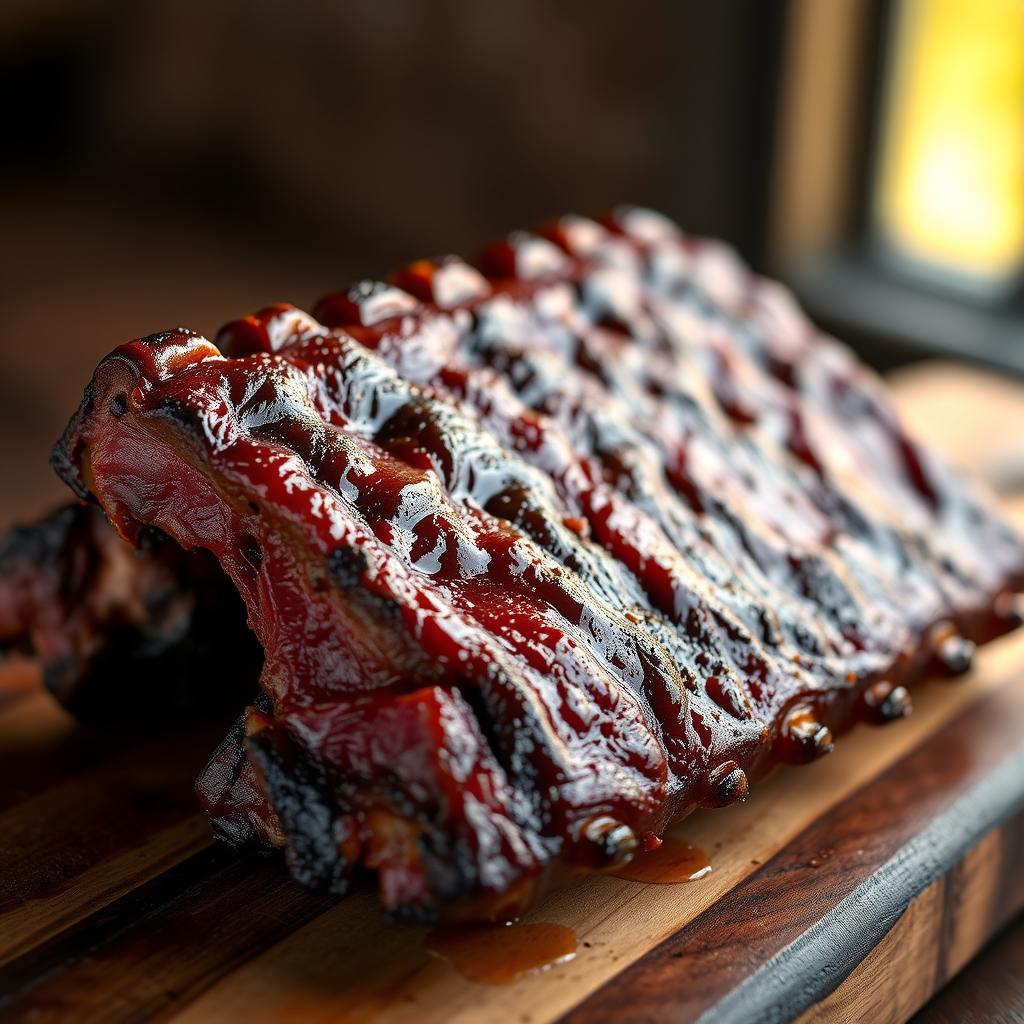
When those succulent beef ribs come off the grill, they’re a showstopper. Carve them between the bones and serve immediately.
Classic Pairings
These ribs are fantastic with all the classic BBQ accompaniments: creamy coleslaw, baked beans, cornbread, potato salad, or a simple green salad to cut through the richness.
Creative Serving Ideas
For a more contemporary twist, serve the ribs on a bed of cheesy grits, or shred the tender meat and serve it in tacos or sliders with your favorite toppings. A drizzle of extra BBQ sauce or a sprinkle of fresh parsley adds a final touch of elegance.
Frequently Asked Questions About Grilled Beef Ribs
What are the best beef ribs for grilling?
For grilling, short ribs, especially the English cut (bone-in, thick), are generally the best. They have a good amount of marbling and connective tissue that breaks down beautifully during a low and slow cooking process, resulting in incredibly tender and flavorful meat.
How do I prevent my beef ribs from drying out on the grill?
The key to preventing dry beef ribs is low and slow cooking over indirect heat, which allows the moisture to stay locked in. Using the “Texas Crutch” (wrapping the ribs in foil or butcher paper partway through cooking) also significantly helps retain moisture. Don’t forget to let them rest after cooking!
Can I use a different cut of beef ribs?
While English cut short ribs are ideal, you can adapt this recipe for other beef ribs like back ribs (also known as spare ribs or chuck ribs), though they tend to be meatier between the bones and might cook slightly faster. Always monitor temperature and tenderness.
Conclusion: Your Grill Awaits!
Mastering the art of grilled beef ribs can elevate your barbecue game to an entirely new level. This recipe, focusing on simple, bold flavors and the magic of low-and-slow grilling, ensures that every bite is tender, juicy, and packed with smoky goodness. Gather your ingredients, fire up the grill, and prepare for an unforgettable culinary experience. Whether you’re feeding a crowd or treating yourself, these grilled beef ribs are sure to be a resounding success. Enjoy the process, savor the aromas, and most importantly, enjoy the incredibly delicious results!