The Ultimate Smoked Beef Jerky Recipe
Prep time: 30 minutes | Marinade time: 12-24 hours | Cook time: 4-6 hours | Servings: Varies
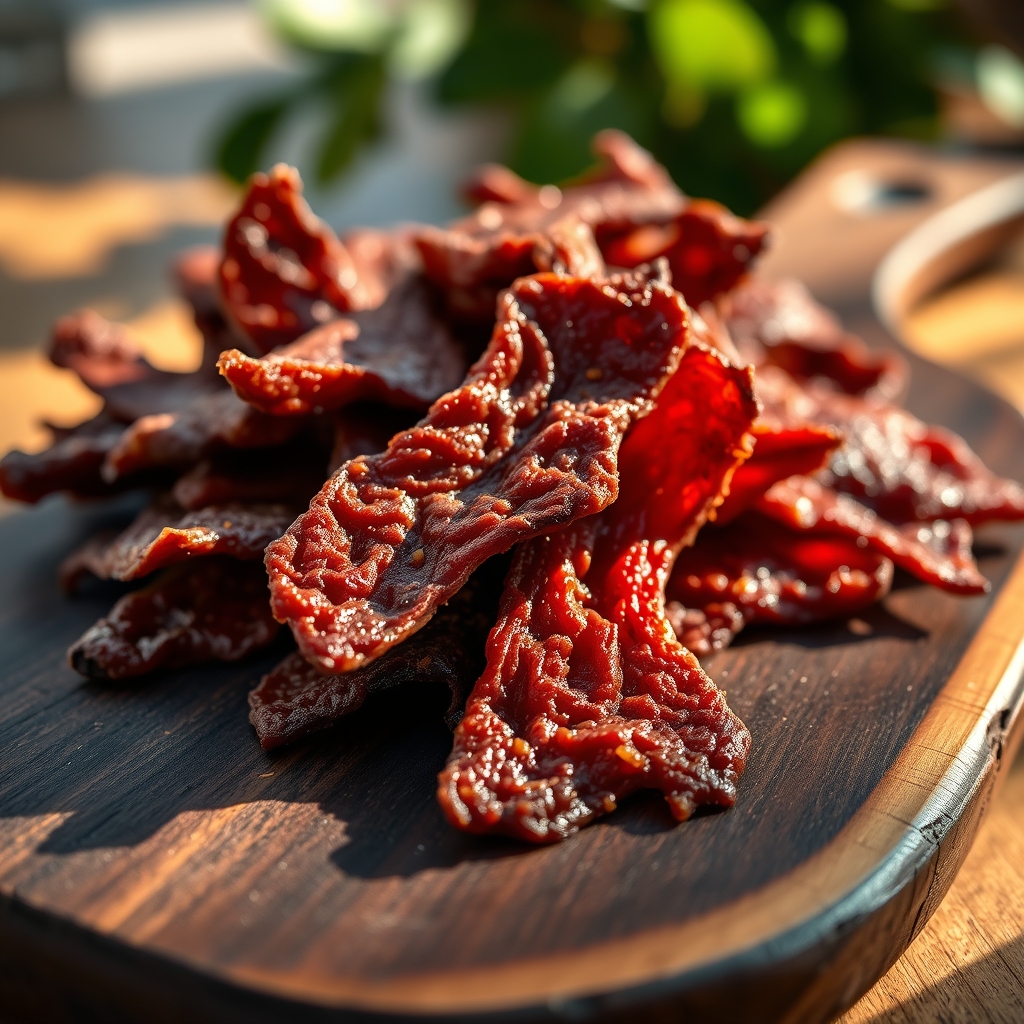
There’s something incredibly satisfying about crafting your own beef jerky. The rich, smoky aroma, the perfect chewy texture, and that burst of savory flavor – it’s a snack that’s hard to beat. And when you make it yourself, especially using a smoker, you gain complete control over the ingredients and the flavor profile. This recipe will guide you through creating the ultimate smoked beef jerky, transforming simple cuts of beef into a delicious, shelf-stable snack perfect for hiking, parties, or just satisfying those midday cravings. Forget those expensive store-bought options; homemade is truly king!
Making jerky in a smoker adds an unparalleled depth of flavor that you just can’t achieve with a dehydrator alone. The low and slow cooking process allows the smoke to permeate the meat beautifully, creating a complex taste that’s both deeply savory and wonderfully aromatic. Whether you’re a seasoned pitmaster or giving smoking your first try, this recipe is designed to be approachable and rewarding. We’ll walk you through selecting the best cuts of beef, preparing a mouthwatering marinade, and achieving that perfect jerky consistency in your smoker.
Ingredients You’ll Need
For the Beef
- 2-3 lbs beef (sirloin tip, eye of round, flank steak, or brisket are ideal)
- Sharp knife or electric knife
- Cutting board
For the Savory Marinade
- 1 cup soy sauce (low sodium is fine)
- 1/4 cup Worcestershire sauce
- 2 tablespoons brown sugar (or honey/maple syrup)
- 1 tablespoon liquid smoke (optional, for extra smoky flavor)
- 1 teaspoon black pepper (freshly ground is best)
- 1 teaspoon garlic powder
- 1/2 teaspoon onion powder
- 1/4 teaspoon red pepper flakes (adjust to your spice preference)
- Pinch of smoked paprika (optional, for color and depth)
How to Make the Best Smoked Beef Jerky
Step 1: Preparing Your Beef
- For the easiest slicing and best texture, partially freeze your beef for about 1-2 hours. This firms it up without completely freezing it, making it much easier to slice thinly and evenly.
- Using a very sharp knife, slice the beef against the grain into uniform strips. Aim for about 1/8 to 1/4 inch thickness. Consistency in thickness is key for even drying and cooking. Thicker strips will take longer to dry.
Step 2: Marinating for Maximum Flavor
- In a large bowl or a resealable plastic bag, whisk together all the marinade ingredients: soy sauce, Worcestershire sauce, brown sugar, liquid smoke (if using), black pepper, garlic powder, onion powder, red pepper flakes, and smoked paprika.
- Add the beef strips to the marinade, ensuring each piece is well coated. Massage the marinade into the meat.
- Cover the bowl or seal the bag and refrigerate for at least 12 hours, and up to 24 hours for the deepest flavor penetration. Turn the bag or stir the contents occasionally to ensure even marinating.
Pro Tip: For a more intense flavor, you can reserve a couple of tablespoons of the marinade before adding the beef, boil it rapidly for 1 minute to kill any bacteria, let it cool completely, and then use it to brush onto the jerky during the final stages of smoking. This concentrates the flavors.
Step 3: Smoking Your Jerky
- Preheat your smoker to a temperature range of 160-180°F (71-82°C). Use your favorite wood for smoking – hickory, mesquite, or applewood all work wonderfully for jerky.
- Remove the beef strips from the marinade and pat them thoroughly dry with paper towels. This is a crucial step to ensure the jerky dries properly rather than steams.
- Arrange the beef strips in a single layer on your smoker racks. Make sure the strips are not touching each other, allowing for good air circulation.
- Place the racks in the smoker and close the lid. Let the jerky smoke for 4-6 hours. The exact time will depend on your smoker’s temperature, humidity, and the thickness of your jerky strips.
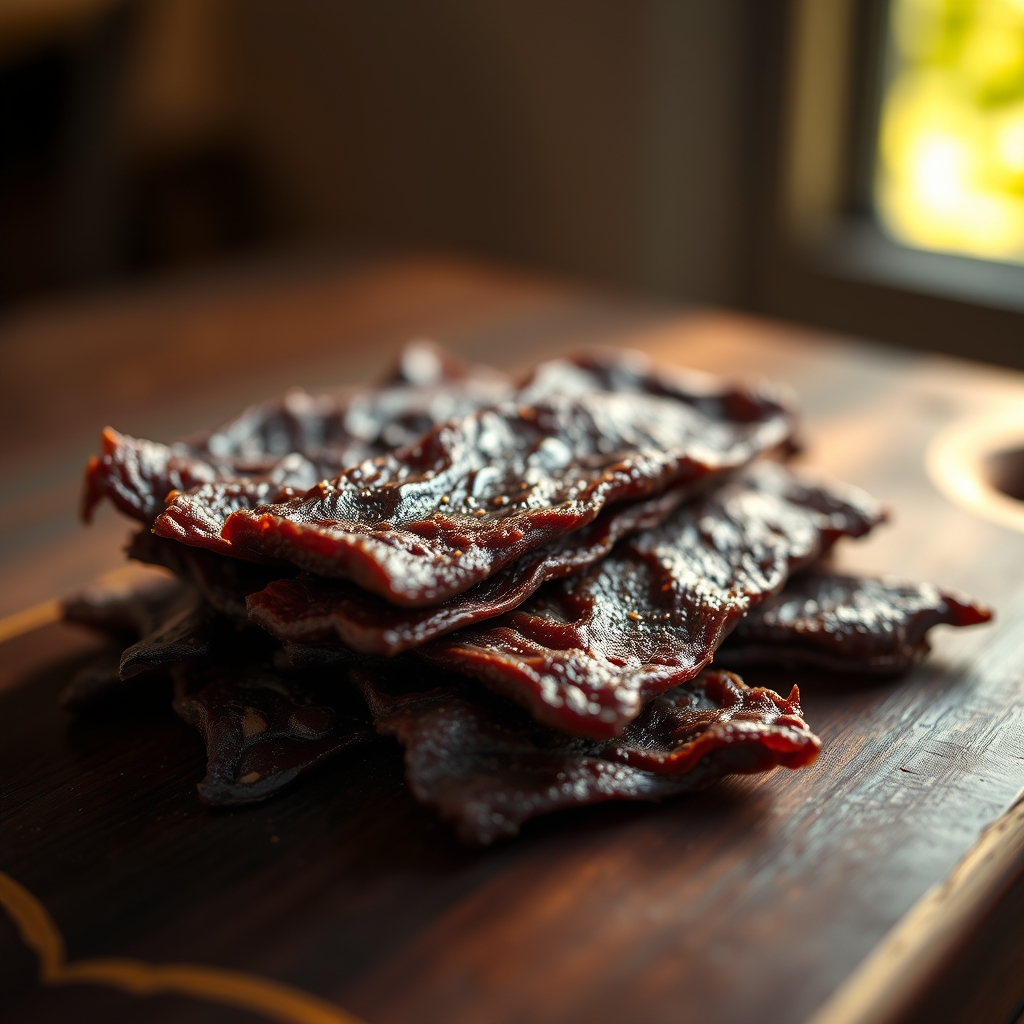
- Check for doneness by taking a strip from the smoker. It should be leathery, flexible, and have stopped “sweating” moisture. It should bend without breaking, but will snap if bent too far. If it’s still too pliable or moist, return it to the smoker for another 30-60 minutes and check again.
Tips for Perfect Jerky
Achieving the Right Texture
The key to great jerky is the texture: chewy, not brittle, and not still moist. Patting the meat dry after marinating is non-negotiable. This removes excess surface moisture, allowing the drying process to work efficiently. During smoking, resist the urge to open the smoker door too often, as this releases heat and can prolong the process. The 160-180°F range is perfect for drying without “cooking” the meat, which would result in a less desirable texture.
Wood Selection and Smoke Levels
The type of wood you use for smoking will significantly impact the final flavor of your jerky. Hickory provides a robust, smoky flavor that’s classic for beef. Mesquite offers an intense, earthy smoke, while fruitwoods like apple or cherry impart a milder, slightly sweeter smoke profile. Experiment with different woods to find your personal favorite. For jerky, a moderate smoke is usually preferred; too much smoke can overpower the meat and marinade flavors.
Food Safety Considerations
Ensuring food safety is paramount when making jerky. The marinade, with its salt and acidity from soy sauce and Worcestershire, helps. Smoking at a consistent temperature between 160-180°F aids in drying and reducing bacterial growth. Properly dried jerky should have a moisture content of around 15-20%, making it too dry for most bacteria to thrive. Always cool jerky completely before storing.
Serving and Storing Your Homemade Jerky
Enjoying Your Creation
Once your jerky has cooled completely to room temperature, it’s ready to eat! The texture should be firm but pliable. It’s fantastic on its own, as a high-protein snack during outdoor adventures, or even added to trail mix. Some people enjoy it chopped and added to salads or even baked beans for an extra smoky, savory punch.
Proper Storage for Longevity
For jerky that’s been properly dried and handled hygienically, it can last for an extended period. Store your homemade beef jerky in airtight containers or heavy-duty resealable bags. Kept in a cool, dry place, it can last for 1-2 weeks. For longer storage, refrigeration is recommended, where it can last for 1-2 months. For even longer preservation, consider vacuum sealing your jerky. Always inspect your jerky for any signs of spoilage (mold, off-smells) before consuming.
Making smoked beef jerky is a rewarding process that yields an incredibly delicious and satisfying snack. With a little patience and attention to detail, you can create a product that rivals, and likely surpasses, anything you can buy at the store. Enjoy the smoky aroma filling your home and the incredible taste of your very own homemade jerky!