Classic Duck Confit Recipe: A French Delicacy at Home
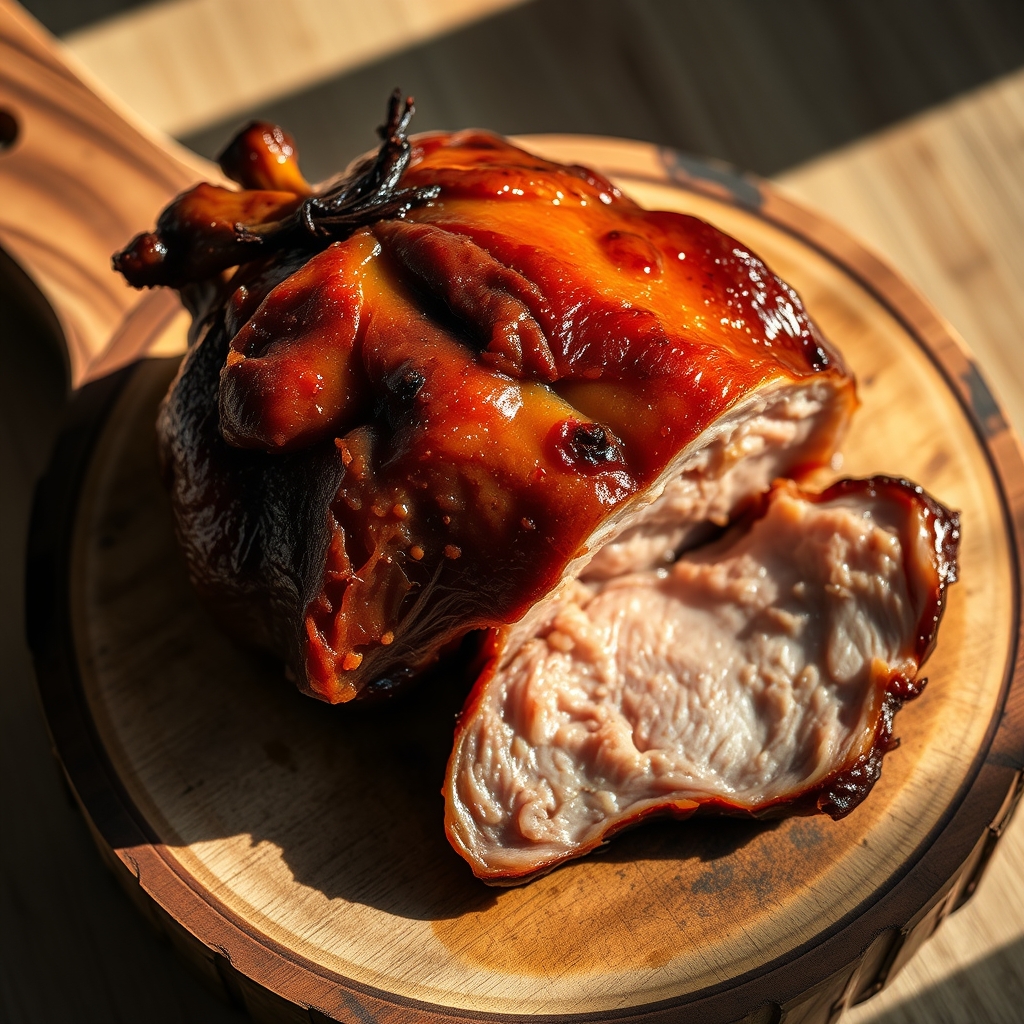
Duck confit, a staple of French cuisine, might sound intimidating, but it’s a surprisingly achievable dish for any home cook. This traditional method of preserving duck involves slow-cooking the meat in its own fat, resulting in incredibly tender, succulent dark meat with a delightfully crispy skin. It’s a labor of love, but the rich, decadent results are well worth the effort. Imagine meltingly tender duck, rich with flavor, with a savory, crispy exterior – it’s a true taste of gourmet cooking.
This recipe will guide you through the process of creating authentic duck confit, ensuring that even if you’re new to this technique, you’ll end up with restaurant-quality results. We’ll break down the curing and slow-cooking steps, making it accessible and enjoyable. Get ready to impress yourself and your guests with this timeless French classic.
Ingredients for Rich Duck Confit
The beauty of duck confit lies in its simplicity of ingredients, focusing on enhancing the natural richness of the duck. You’ll need good quality duck legs and a generous amount of duck fat, along with a flavorful curing mixture.
- 4-6 duck legs, preferably from a Pekin duck
- 1/4 cup coarse sea salt or kosher salt
- 1 tablespoon black peppercorns, crushed
- 4-5 sprigs fresh thyme
- 2-3 cloves garlic, smashed
- 2 bay leaves
- 2-3 pounds duck fat (or enough to completely cover the duck legs)
How to Make Authentic Duck Confit
Creating duck confit involves two main stages: curing the duck legs and then slow-cooking them in duck fat. This process not only tenderizes the meat but also imparts a deep, savory flavor.
1. Curing the Duck Legs
Begin by preparing the curing mixture. In a small bowl, combine the coarse sea salt, crushed black peppercorns, fresh thyme sprigs, smashed garlic cloves, and bay leaves. Mix everything together to create an aromatic rub.
Pat the duck legs completely dry with paper towels. This is crucial for the curing process to draw out moisture. Generously rub the salt and herb mixture all over each duck leg, ensuring they are well coated on all sides. Place the seasoned duck legs in a non-reactive dish or a large zip-top bag. Cover or seal and refrigerate for at least 12 hours, or ideally 24 hours. This curing period allows the salt and aromatics to penetrate the meat, tenderizing it and adding flavor.
2. Slow-Cooking in Duck Fat
After the curing period, remove the duck legs from the refrigerator. Gently scrape off any excess curing mixture, but don’t rinse the legs. Pat them dry once more.
Preheat your oven to a low temperature, typically around 250°F (120°C). In an oven-safe pot or Dutch oven that can snugly fit the duck legs in a single layer, place the duck legs. Pour the duck fat over the legs, ensuring they are completely submerged. If you don’t have enough duck fat to cover them, you can supplement with a neutral oil like canola or vegetable oil, though duck fat is traditional and adds superior flavor.
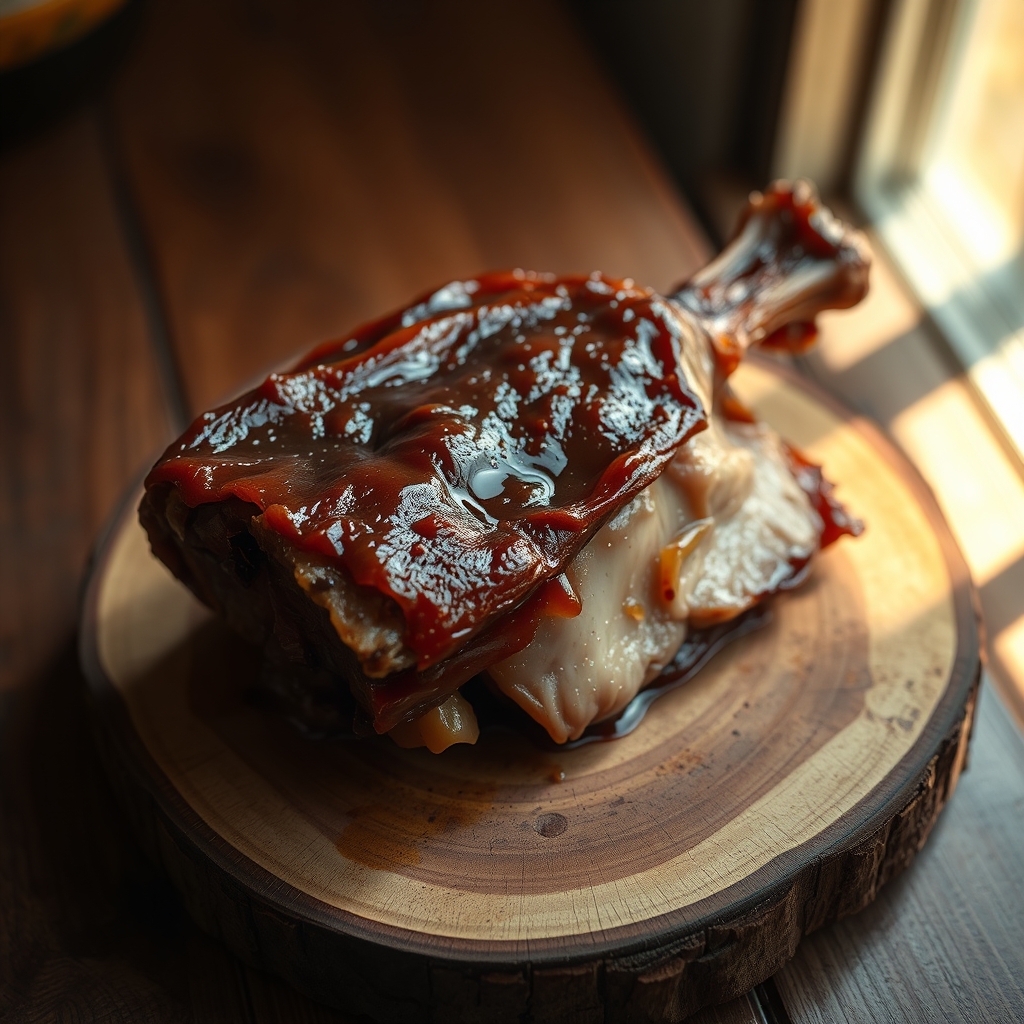
Cover the pot tightly with a lid or aluminum foil, and place it in the preheated oven. Cook for 2 to 3 hours, or until the duck meat is incredibly tender and easily pulls away from the bone. The internal temperature should reach at least 165°F (74°C), but the longer, slower cooking is key to tenderness.
3. Finishing Your Confit
Once cooked, carefully remove the duck legs from the fat. You can either let them cool in the fat for storage, or proceed to crisp them up for immediate serving. If storing, transfer the legs and some of the fat to an airtight container and refrigerate for up to several weeks.
To achieve that classic crispy skin, heat a skillet over medium-high heat. Add a tablespoon or two of the reserved duck fat. Place the duck legs, skin-side down, in the hot skillet. Sear for 3-5 minutes per side, until the skin is golden brown and crispy, and the meat is heated through. Alternatively, you can place them skin-side up on a baking sheet and broil for a few minutes, watching carefully to prevent burning.
Serving Suggestions and Tips
Duck confit is a versatile dish that pairs wonderfully with a variety of sides. Its rich flavor can stand up to robust accompaniments.
Classic Pairings
Traditionally, duck confit is served with simple yet satisfying sides. Potatoes are a natural fit; consider creamy mashed potatoes, crispy roasted potatoes cooked in duck fat, or even pommes sarladaises, which are potatoes sautéed with garlic and parsley in duck fat.
A simple green salad with a light vinaigrette can cut through the richness of the duck beautifully. For a more substantial meal, consider serving with braised lentils or a medley of seasonal roasted vegetables.
Tips for Perfect Confit
Ensure your duck legs are thoroughly dried before curing. Moisture can hinder the salt’s ability to draw out excess liquid and can affect the final texture.
Don’t skimp on the duck fat; it’s essential for achieving that signature tender, almost melt-in-your-mouth texture. If you don’t have enough, you can buy extra rendered duck fat from specialty butchers or online.
When storing your confit, make sure the duck legs are completely covered in the fat. This acts as a protective seal, helping to preserve the meat for weeks in the refrigerator.
Enjoy your homemade duck confit, a true taste of French culinary heritage!