The Ultimate Boneless Ribeye Steak Recipe
Prep time: 10 minutes | Cook time: 8-12 minutes | Servings: 2

There’s something undeniably luxurious about a perfectly cooked boneless ribeye steak. Its rich marbling, tender texture, and robust beefy flavor make it a true culinary champion. Whether you’re celebrating a special occasion or simply craving an exceptional meal, learning how to prepare a fantastic boneless ribeye at home is an invaluable skill. Forget the steakhouse prices; with a few simple techniques, you can achieve restaurant-quality results right in your own kitchen. This recipe focuses on simplicity and highlighting the natural deliciousness of the steak, ensuring a memorable dining experience.
The beauty of a ribeye lies in its inherent tenderness and juiciness, thanks to the generous intramuscular fat (marbling) that melts during cooking. This fat not only adds incredible flavor but also keeps the steak moist and tender. A boneless cut offers convenience and ease of cooking, making it ideal for both novice and experienced home cooks. We’ll guide you through selecting the best steak, seasoning it perfectly, and cooking it to that ideal medium-rare finish.
Ingredients
For the Steak
- 2 boneless ribeye steaks (about 1.5 inches thick each)
- 2 tablespoons olive oil or high smoke point oil (like avocado or grapeseed)
- 1 tablespoon unsalted butter
- 2-3 sprigs fresh rosemary (optional)
- 2-3 cloves garlic, smashed
For Seasoning
- 2 teaspoons coarse sea salt or kosher salt
- 1 teaspoon freshly ground black pepper
How to Make It
Prepping the Steaks
- Remove the steaks from the refrigerator at least 30-60 minutes before cooking. This allows them to come to room temperature, ensuring an even cook.
- Pat the steaks thoroughly dry with paper towels. This crucial step helps create a beautiful, flavorful sear by removing surface moisture.
- Generously season both sides of each steak with coarse sea salt and freshly ground black pepper. Don’t be shy; a good amount of seasoning is key for great flavor.
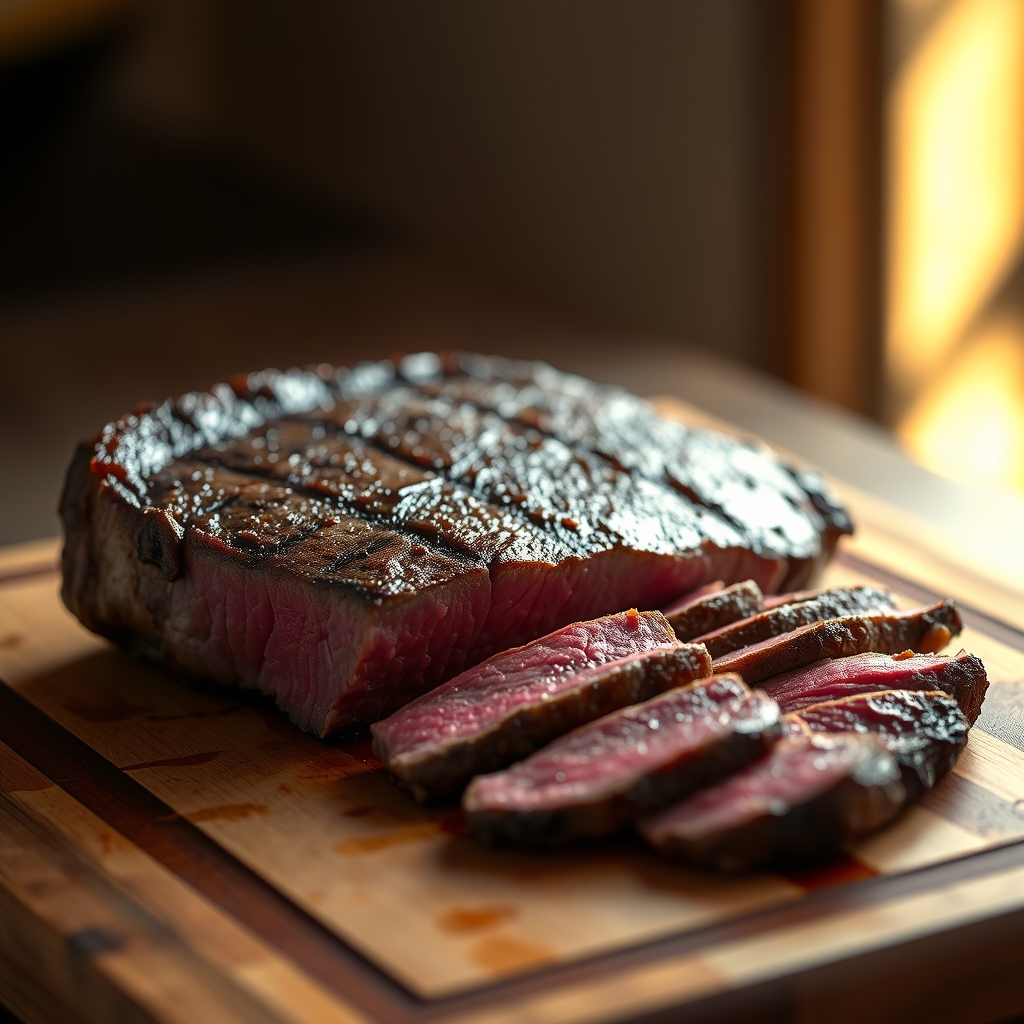
Searing and Basting
- Heat a heavy-bottomed skillet, such as cast iron, over medium-high heat. Add the olive oil and let it shimmer; it should be very hot but not smoking.
- Carefully place the seasoned steaks into the hot skillet. Sear for 3-4 minutes per side without moving them, until a deep brown crust forms. The searing process is vital for developing flavor and texture.
- Reduce the heat to medium. Add the butter, smashed garlic cloves, and rosemary sprigs (if using) to the skillet.
- As the butter melts, tilt the pan and, using a spoon, continuously baste the steaks with the melted butter and aromatics. This technique infuses the steak with incredible flavor and keeps it moist. Baste for another 2-4 minutes, depending on your desired doneness.
Checking for Doneness and Resting
- Use an instant-read meat thermometer for accuracy. For medium-rare, aim for an internal temperature of 130-135°F (54-57°C). For medium, aim for 135-140°F (57-60°C). Remember that the temperature will rise a few degrees as the steak rests.
- Once the steaks reach your desired temperature, remove them from the skillet and place them on a clean cutting board or plate. Lightly tent them with foil.
- Let the steaks rest for at least 5-10 minutes. This resting period is essential to allow the juices to redistribute throughout the meat, resulting in a more tender and flavorful steak. Cutting too soon will cause the juices to run out, leaving your steak dry.
Slicing and Serving
- After resting, slice the steak against the grain for maximum tenderness.
- Serve immediately. You can spoon some of the pan juices over the sliced steak for an extra burst of flavor.
Tips for the Perfect Ribeye
Choosing Your Steak
Look for steaks that are at least 1.5 inches thick. Thicker cuts are more forgiving and easier to get a good sear on without overcooking the interior. You want good marbling – those thin streaks of white fat running through the meat – as this is responsible for the ribeye’s signature tenderness and flavor.
The Importance of Room Temperature
This is a step that cannot be stressed enough. A cold steak hitting a hot pan will cook unevenly. The outside might char before the inside reaches your desired temperature. Allowing the steak to sit out for an hour helps ensure that the heat penetrates evenly, giving you a much better result.
Don’t Fear the Salt
Salt draws out moisture, which might sound counterintuitive before searing. However, when you salt a steak generously and let it sit for a bit (even just for the few minutes it takes to heat your pan), the salt actually helps to tenderize the meat and enhance its flavor without making it “salty” in the final product. Coarse salts like kosher or sea salt are best for steak.
Mastering the Sear
Get your pan screaming hot before the steak enters. A good sear is what creates that delicious brown crust, known as the Maillard reaction, which is responsible for a huge part of the steak’s flavor. Avoid overcrowding the pan; cook steaks one or two at a time to ensure proper searing.
Serving Suggestions
This magnificent boneless ribeye is a star on its own, but it pairs beautifully with a variety of classic steakhouse sides. Consider serving it with creamy mashed potatoes, roasted asparagus, a fresh garden salad, or some sautéed mushrooms and onions. A dollop of garlic butter or a drizzle of your favorite steak sauce can also elevate the dish further. For a truly decadent meal, a glass of robust red wine like Cabernet Sauvignon or Merlot is the perfect accompaniment.
Conclusion
Mastering the art of cooking a boneless ribeye steak is a rewarding culinary achievement. By following these simple steps, you’re well on your way to creating a steak that is not only visually appealing but also incredibly tender, juicy, and bursting with flavor. Remember the key elements: quality steak, proper seasoning, a hot pan for searing, attentive basting, an accurate thermometer, and most importantly, a patient rest. Enjoy the process, and savor every delicious bite of your perfectly cooked boneless ribeye steak!