Luxurious Lard-Free Lather: A Simple Beef Tallow Soap Recipe
Prep Time: 30 minutes | Cook Time: 4-6 weeks (curing) | Servings: Approx. 10 bars
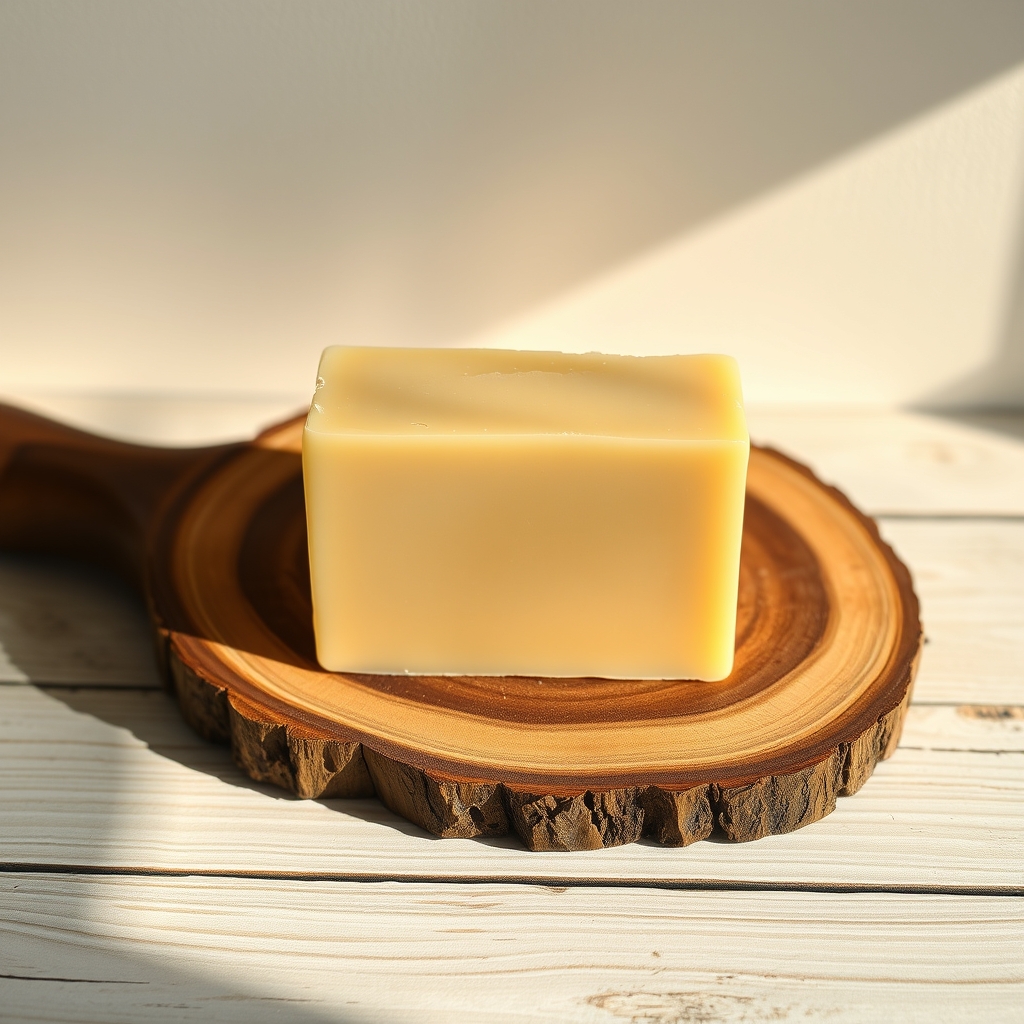
Discover the art of old-fashioned soap making with this straightforward beef tallow soap recipe. For centuries, tallow has been a prized ingredient for its incredible lathering properties and the gentle, conditioning feel it imparts to the skin. Moving away from traditional animal fats like lard, beef tallow offers a unique composition that results in a firm, long-lasting bar with a rich, creamy lather. This recipe is perfect for beginners and seasoned soap makers alike, providing a wonderful opportunity to create a truly artisanal soap with beneficial properties for the skin.
Making soap from scratch might sound daunting, but with careful measurement and attention to safety, it’s an achievable and incredibly rewarding process. We’ll be using the cold process method, which involves mixing lye (sodium hydroxide) with liquids and fats. The saponification process, where lye and oils react to form soap, generates heat and requires proper ventilation and safety gear. But don’t let that deter you; the result is a pure, natural soap bar free from synthetic detergents and harsh chemicals commonly found in commercial products.
Why Beef Tallow Soap?
Beef tallow is a saturated fat that gives soap excellent hardness and a stable, creamy lather. Unlike some other fats that can lead to brittle bars, tallow creates a robust soap that lasts longer in the shower. Its fatty acid profile, particularly rich in stearic and oleic acids, contributes to a conditioning feel on the skin, preventing dryness and leaving it feeling soft and nourished. It’s an eco-friendly choice too, as it often utilizes a byproduct of meat processing, reducing waste.
Furthermore, beef tallow soap is naturally moisturizing. The natural glycerin produced during saponification remains in the bar, helping to draw moisture to the skin. This makes it an excellent option for those with dry, sensitive, or mature skin. Many people with skin conditions like eczema or psoriasis find tallow-based soaps to be much gentler and more beneficial than conventional cleansing bars.
Essential Ingredients & Equipment
Ingredients You’ll Need:
- 1000g (approx. 2.2 lbs) Rendered Beef Tallow
- 380g (approx. 13.4 oz) Distilled Water (or other liquid like goat milk, though water is simplest for beginners)
- 135g (approx. 4.76 oz) Sodium Hydroxide (NaOH) – Lye flakes or pearls
- Optional: 15-30g (0.5 – 1 oz) Essential Oils for fragrance (e.g., lavender, rosemary, frankincense)
- Optional: 1 tablespoon Kaolin Clay or other natural colorant
Safety First: Crucial Equipment
Before you begin, ensure you have the following safety equipment and tools. Working with lye requires caution, so prioritizing safety is paramount. Always wear:
- Safety goggles
- Chemical-resistant gloves (nitrile or rubber)
- Long sleeves and pants
- A well-ventilated area (outdoors or near an open window with a fan)
Essential soap-making tools include:
- Accurate digital scale (essential for precise measurements)
- Stainless steel or heat-resistant plastic containers for mixing
- Stainless steel or silicone stirring utensil
- Immersion blender (stick blender)
- Silicone mold or lined loaf pan for your soap
- Thermometer (digital or candy thermometer)
- Vinegar or citric acid solution for neutralizing lye spills (keep handy)
How to Make Your Beef Tallow Soap
Once you have your ingredients and safety gear ready, it’s time to get started. Remember: always add lye to water, never water to lye, as this can cause a dangerous volcanic reaction.
Prepare Your Lye Solution:
In a well-ventilated area, carefully weigh your distilled water into a heat-resistant container. In a separate, dry container, weigh your sodium hydroxide (lye). Slowly and carefully add the lye to the water, stirring gently until dissolved. The mixture will become very hot (up to 200°F/93°C) and release fumes. Set it aside in a safe place to cool down to about 100-120°F (38-49°C).
Melt and Prepare Tallow:
While the lye solution cools, weigh your rendered beef tallow and melt it gently in a separate pot or heat-safe container over low heat until fully liquid. You can do this on the stovetop or in a double boiler.
Combine Fats and Lye:
Once both the tallow and the lye solution have cooled to a similar temperature (ideally 100-120°F / 38-49°C), carefully pour the lye solution into the melted tallow. This is where the magic begins!
Emulsify the Mixture:
Using your immersion blender, begin mixing the lye and tallow. Alternate between short bursts of blending and stirring manually. Continue this process until the mixture reaches “trace” – a point where it has thickened enough that when drizzled from the blender, it leaves a faint trail on the surface, resembling pudding. This can take anywhere from 5 to 15 minutes.
Add Optional Additives:
If you are adding essential oils or clay, now is the time. Stir them in quickly and thoroughly until well incorporated. Be aware that some essential oils can accelerate trace.
Pour and Insulate:
Quickly pour the soap batter into your prepared mold. Tap the mold gently on the counter to release any air bubbles. Cover the mold with a lid or plastic wrap, and then insulate it with a thick towel or blanket. This helps the soap undergo the gel phase, which can result in a more vibrant color, though it’s not strictly necessary.
Unmold and Cut:
Let the soap sit in the mold for 24-48 hours. It should be firm enough to unmold and cut. If it seems soft, give it a little more time. Carefully unmold and cut into bars using a soap cutter or a sharp knife. Remember, the soap is still very caustic at this stage.
Cure Your Soap:
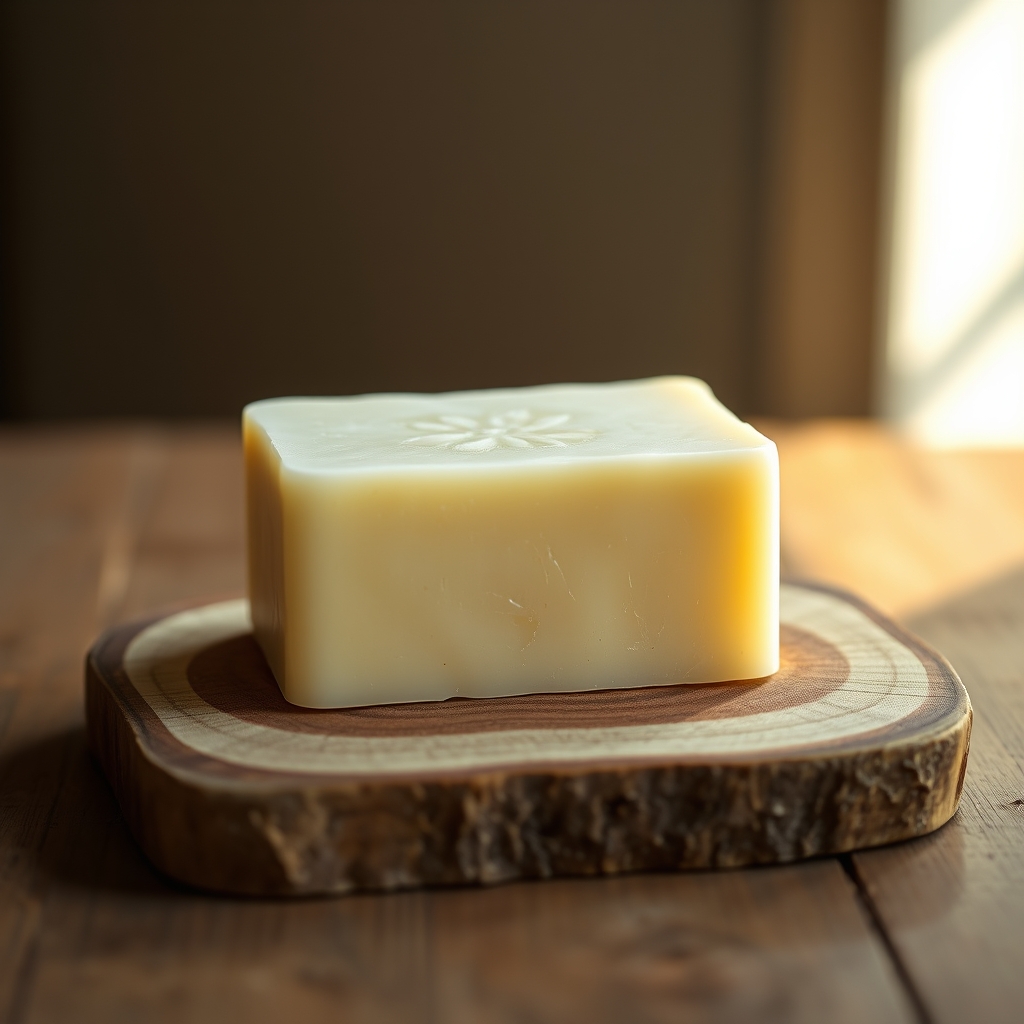
Place the cut bars on a drying rack or a piece of parchment paper in a well-ventilated area. Allow them to cure for at least 4-6 weeks. During this time, the saponification process fully completes, excess water evaporates, and the soap hardens, becoming gentler and milder for use. Turn the bars occasionally to ensure even drying and curing.
Troubleshooting Common Soap-Making Issues
Even with the best intentions, soap making can sometimes present challenges. Don’t be discouraged if your first batch isn’t perfect! Common issues include:
“Seizing” or Rapid Trace:
This means the soap batter thickens very quickly, making it difficult to pour. It can be caused by hot ingredients, certain essential oils, or even over-blending. If it seizes before you can pour, quickly spread it into the mold and smooth the top as best as you can.
Soda Ash:
A white, powdery coating on the surface of the soap. It’s harmless and a result of unsaponified lye reacting with air. You can often brush it off after curing or just wash it away in the shower. Ensuring proper insulation during the gel phase can help minimize it.
Pestal Oats or Lye Pockets:
This occurs when lye doesn’t fully dissolve or combine with the oils. It results in caustic pockets in the finished bar. The best way to prevent this is thorough mixing and ensuring your lye solution is fully dissolved before combining, and reaching a consistent trace.
Serving Up Your Handmade Soap
Once your beef tallow soap is fully cured, it’s ready to be used and enjoyed! They make wonderful, thoughtful gifts for friends and family. You can wrap them in simple brown paper or linen for a rustic, artisanal look. Remember that handmade soap is best stored in a well-draining soap dish between uses to prolong its life.
Consider offering a variety of scents if you experiment with essential oils. Lavender is always a crowd-pleaser for its calming properties, while citrus scents like lemon or orange can be uplifting. Herbal blends can also be delightful. The beauty of making your own soap is the complete control you have over its ingredients and scent profile.
Conclusion: The Joys of Tallow Soap Making
Crafting your own beef tallow soap is a rewarding journey back to traditional methods, resulting in a high-quality, natural cleansing bar. The process demands respect for the ingredients and a commitment to safety, but the satisfaction of creating something so pure and functional with your own hands is immense. Enjoy the rich, creamy lather and the gentle, conditioning feel of your homemade tallow soap – a true testament to the power of simple, natural ingredients.