Authentic Vietnamese Beef Noodle Soup (Pho Bo) Recipe
Prep time: 30 minutes | Cook time: 3 hours | Servings: 6
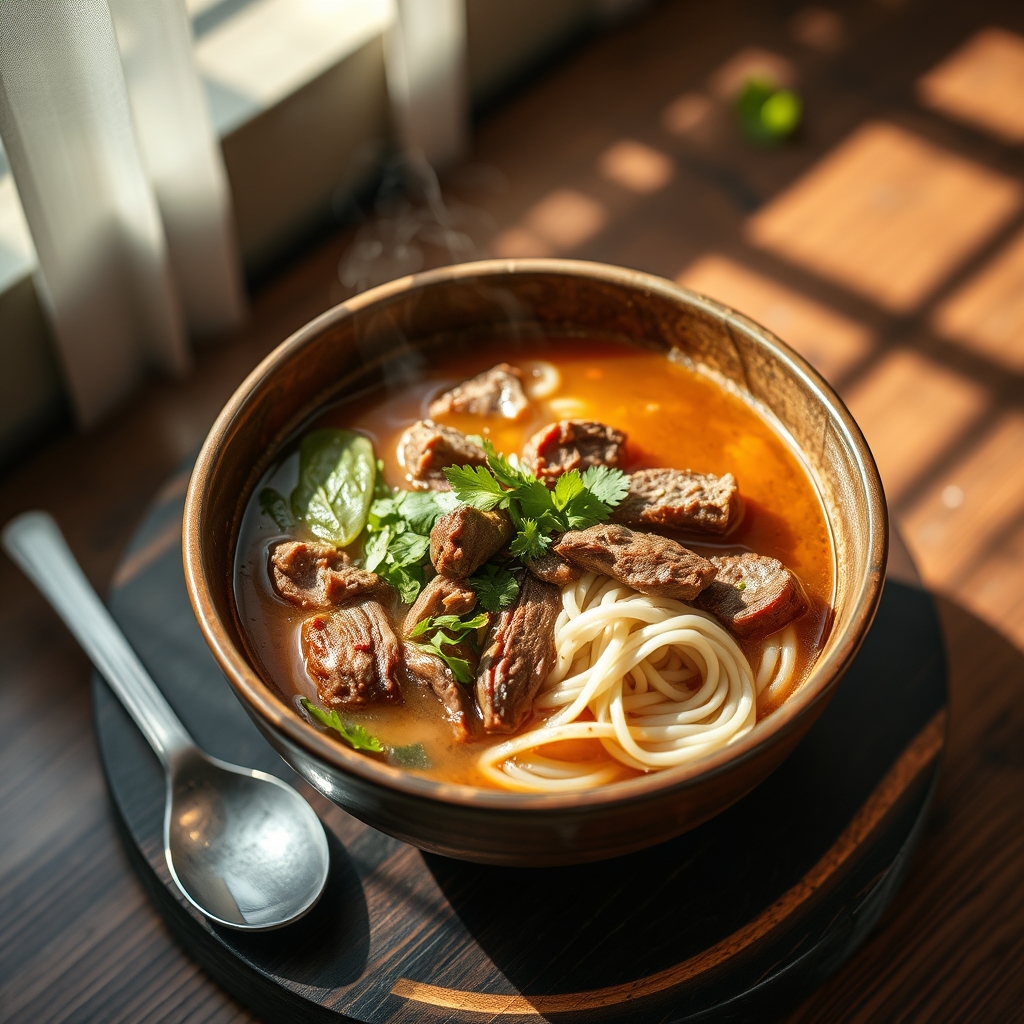
There’s nothing quite like a steaming, aromatic bowl of Vietnamese beef noodle soup, affectionately known as Pho Bo. This iconic dish is more than just a meal; it’s a comforting embrace, a culinary journey, and a testament to the rich flavors of Vietnamese cuisine. The magic of Pho Bo lies in its deeply savory broth, infused with fragrant spices, tender slices of beef, and slippery rice noodles. It’s a dish that warms you from the inside out, perfect for a chilly evening or a satisfying lunch.
Crafting an authentic Pho Bo at home might seem daunting, but with this comprehensive guide, you’ll unlock the secrets to achieving that restaurant-quality depth of flavor. We’ll break down the process into simple steps, ensuring even novice cooks can create a memorable Pho experience. Get ready to transform your kitchen into a Vietnamese culinary haven!
The Heart of Pho: The Broth
The soul of any Pho Bo is its broth. This isn’t just any beef stock; it’s a meticulously simmered elixir brimming with aromatic spices. The key to a truly exceptional broth is patience and quality ingredients. We roast the aromatics to unlock their full potential before gently simmering them with beef bones and cuts. This slow cooking process extracts maximum flavor, creating a rich, clear, and incredibly satisfying base for our noodle soup.
Essential Ingredients for the Broth
- 2 lbs beef bones (marrow bones and knuckle bones are ideal)
- 1 lb beef brisket or chuck roast (for flavor and for slicing)
- 2 large yellow onions, halved
- 4-inch piece of ginger, unpeeled, halved lengthwise
- 5-6 whole star anise
- 1 cinnamon stick (about 3 inches)
- 5-6 whole cloves
- 1 black cardamom pod (or two green cardamom pods), lightly smashed
- 1 tablespoon coriander seeds
- 1 tablespoon fennel seeds
- 1/4 cup fish sauce (nuoc mam)
- 1 tablespoon rock sugar or granulated sugar
- Salt, to taste
- 2 quarts cold water (plus more as needed)
For Serving
- 1 lb dried flat rice noodles (banh pho), prepared according to package directions
- 1 lb thinly sliced beef (sirloin, eye of round, or flank steak – can be raw to cook in the broth)
- 1/2 lb cooked beef tendon or flank (optional)
- Fresh cilantro, chopped
- Fresh Thai basil leaves
- Bean sprouts
- Lime wedges
- Thinly sliced red onion or yellow onion
- Thinly sliced jalapeños or other chilies
- Hoisin sauce
- Sriracha
How to Make It
-
Prepare the Beef Bones and Meat:
Rinse the beef bones and the brisket piece under cold water. Place them in a large stockpot and cover with fresh cold water. Bring to a rolling boil for 5-10 minutes. This parboiling step helps to remove impurities and any unwanted odors, leading to a cleaner broth. Drain the bones and meat, and rinse them thoroughly. Clean the stockpot. -
Char the Aromatics:
While the bones are parboiling, prepare the onions and ginger. You can char them in a few ways: place them directly on a gas burner over medium-high heat, turning occasionally until blackened and fragrant; or, place them on a baking sheet under a broiler, turning as needed. This charring adds a wonderful depth and subtle sweetness to the broth. Once charred, rinse the onions and ginger under water to remove the burnt skin, then halve them if you haven’t already. -
Toast the Spices:
In a dry skillet over medium heat, toast the star anise, cinnamon stick, cloves, black cardamom, coriander seeds, and fennel seeds for about 1-2 minutes, until fragrant. Be careful not to burn them. Place the toasted spices into a spice bag or a piece of cheesecloth and tie it securely. -
Simmer the Broth:
Return the parboiled and rinsed beef bones and brisket to the clean stockpot. Add the charred onions and ginger, and the spice bag. Pour in 2 quarts of fresh cold water, ensuring the ingredients are submerged. Bring the pot to a boil, then immediately reduce the heat to low, so the broth is barely simmering. Skim off any foam or impurities that rise to the surface during the first hour. -
Infuse and Reduce:
Continue to simmer the broth gently, uncovered or partially covered, for at least 2.5 to 3 hours, or even longer for a more intense flavor. The longer it simmers, the richer the broth will become. About 30 minutes before the end of the simmering time, remove the brisket from the pot. Let it cool slightly, then slice it thinly against the grain. Strain the broth through a fine-mesh sieve into a clean pot, discarding the solids. Season the broth with fish sauce, rock sugar, and salt to taste. It should be savory and aromatic. -
Prepare Noodles and Assemble:
While the broth is simmering or after it’s strained, prepare your rice noodles according to package instructions. Typically, this involves soaking or boiling them until tender. Drain them well. To assemble a bowl, place a generous portion of cooked rice noodles into a deep soup bowl. Arrange slices of the cooked brisket (and optional tendon/flank) over the noodles. If you’re using raw thinly sliced beef, you can add it raw on top of the noodles and meat; the hot broth will cook it perfectly. -
Serve Hot:
Ladle the piping hot, seasoned broth over the noodles and beef. Garnish generously with chopped cilantro and fresh Thai basil leaves. Serve immediately with a side plate of fresh bean sprouts, lime wedges, sliced chilies, hoisin sauce, and sriracha for guests to customize their own bowls.
Tips for the Best Pho Bo
Broth Clarity and Flavor
The key to a clear broth is to avoid boiling rapidly. A gentle simmer is crucial. Skimming off any impurities diligently during the first hour also makes a significant difference. Don’t be afraid to adjust the seasoning at the end. Fish sauce, sugar, and salt balance each other, and your palate is the best guide. Some people add a touch of MSG for an extra umami boost, but it’s entirely optional.
Beef Selection and Preparation
Using a combination of beef bones (for richness) and flavorful cuts of meat (like brisket or chuck roast) is ideal. For the raw beef slices, choose a tender cut like sirloin or eye of round and slice it as thinly as possible, ideally when it’s partially frozen. This allows the hot broth to cook it to a perfect, tender doneness without overcooking.
Noodle Perfection
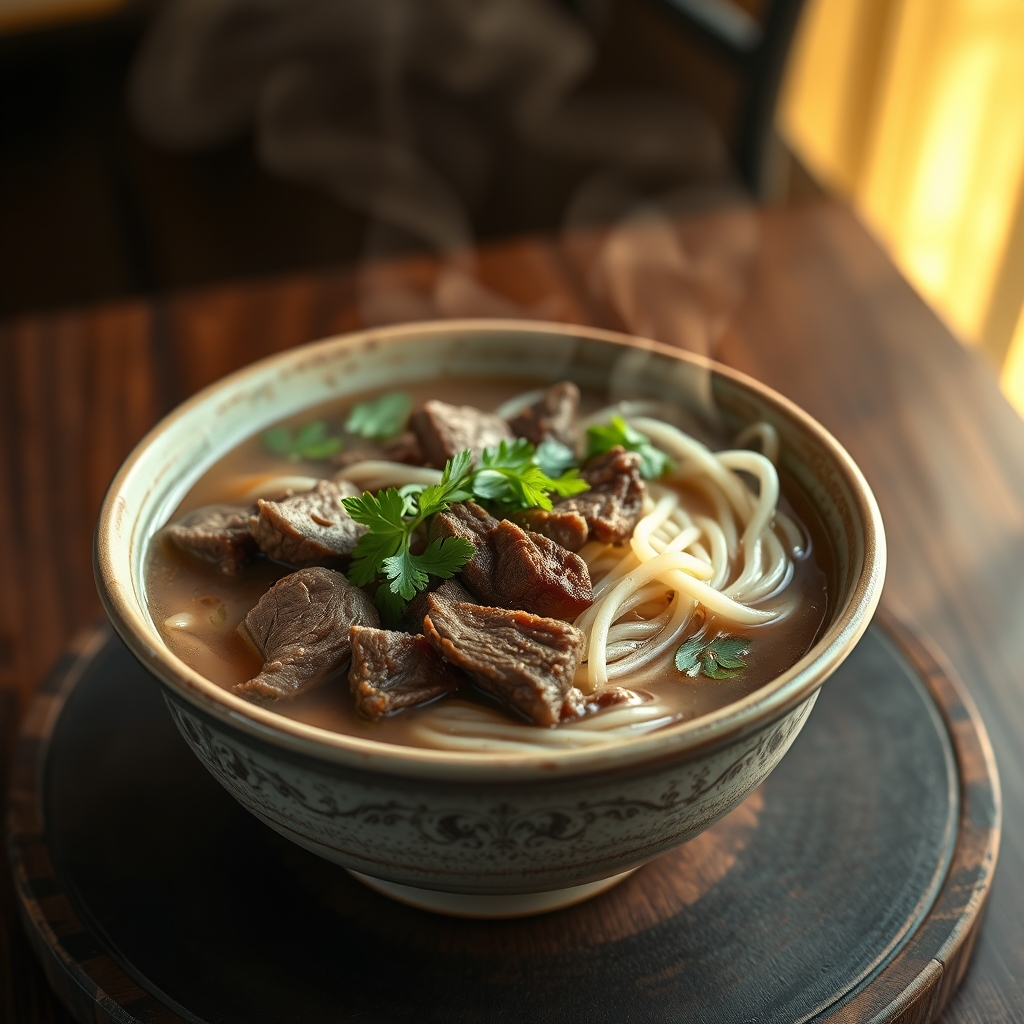
The type of noodle is important. Flat rice noodles (banh pho) are traditional. Ensure you don’t overcook them; they should be tender but still have a slight bite. Rinsing them briefly in cold water after draining can prevent them from sticking together in the bowl.
Serving Suggestions and Variations
The Essential Accompaniments
The beauty of Pho Bo is in its customize-ability. The accompanying herbs and condiments are not just garnishes; they are integral to the experience. Fresh herbs like cilantro and Thai basil add brightness, while bean sprouts provide a refreshing crunch. A squeeze of lime cuts through the richness, and chilies offer a welcome kick of heat. Hoisin and Sriracha allow for personal preference in sweetness and spice.
Beyond the Classic
While Pho Bo is typically made with thinly sliced raw beef and sometimes cooked brisket, variations abound. Some recipes include beef tendon for a chewy texture, meatballs (bo vien), or even tripe. Experiment with different cuts of beef for your broth or toppings to find your favorite. You can also make a vegetarian version by using a rich vegetable broth and adding tofu or mushrooms, though this deviates from the classic Pho Bo.
Enjoy Your Home-Cooked Vietnamese Feast
Making Vietnamese beef noodle soup from scratch is a labor of love, but the reward is an incredibly rewarding and delicious meal that will impress your family and friends. The complex layers of flavor in the broth, combined with the fresh herbs and tender noodles, create a truly unforgettable dining experience. So, gather your ingredients, embrace the process, and savor every spoonful of your homemade Pho Bo!