The Ultimate Smoked Beef Brisket Recipe
Prep time: 30 minutes | Cook time: 12-18 hours | Servings: 8-10
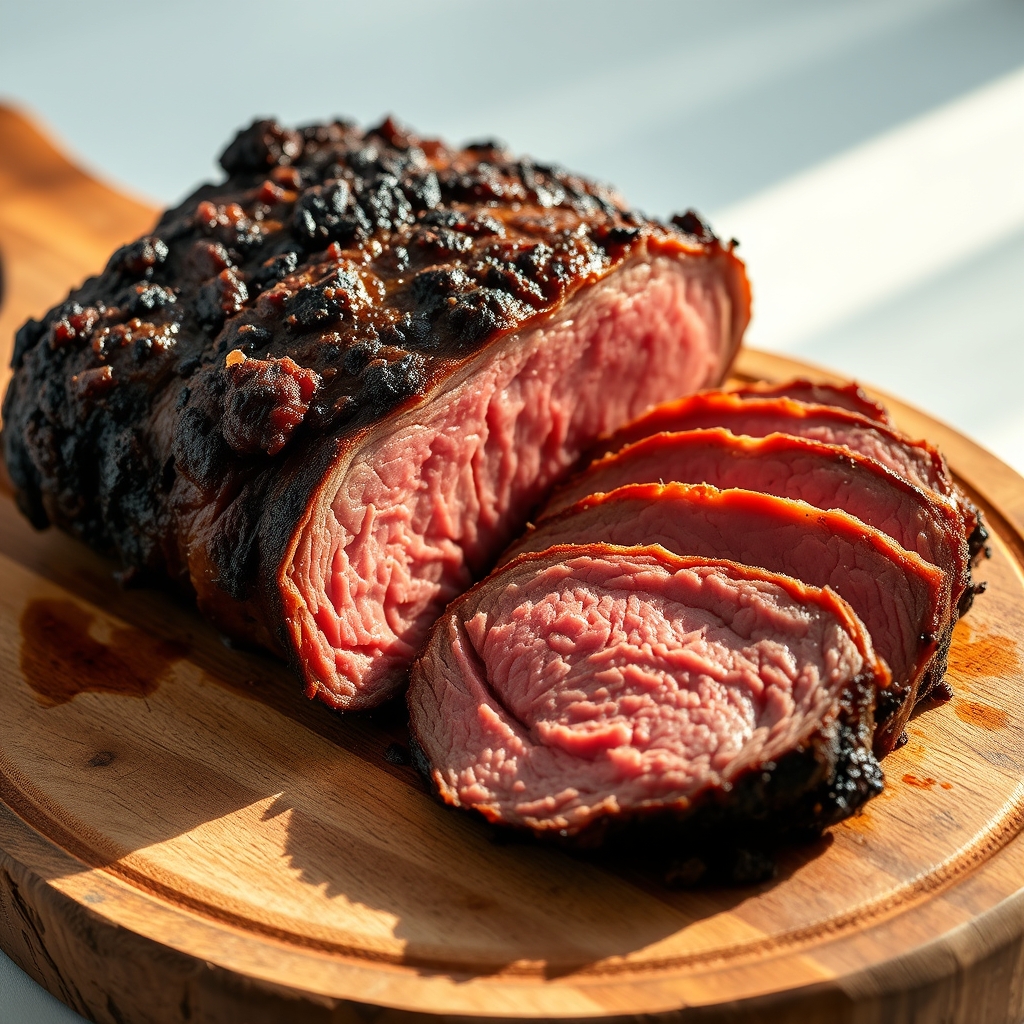
There’s something primal and deeply satisfying about a perfectly smoked beef brisket. It’s a labor of love, a weekend project, and the ultimate reward for your patience and dedication. The smoky aroma, the tender, melt-in-your-mouth texture, and the rich, beefy flavor are unmatched. This recipe will guide you through every step to achieve brisket perfection in your smoker, transforming a tough cut of meat into a culinary masterpiece.
Smoking a brisket can seem intimidating, but with the right approach, it’s entirely achievable for home cooks. The key lies in selecting a good quality cut, proper preparation, maintaining a consistent smoker temperature, and allowing ample time for the magic to happen. We’ll cover everything from trimming and seasoning to the crucial ‘stall’ and resting period. Get ready to impress your friends and family with a brisket that will be talked about for years to come.
Ingredients
For the Brisket
- 1 whole packer brisket (about 12-15 lbs), USDA Prime or Choice
- 1/4 cup coarse kosher salt
- 1/4 cup coarse black pepper
- 2 tablespoons garlic powder
- 1 tablespoon onion powder
- 1 tablespoon paprika
- 1/2 cup yellow mustard (for binder, optional)
For the Smoker
- Wood chunks or chips (oak, hickory, or mesquite are excellent choices)
- Water pan for the smoker
How to Make It
Step 1: Trim and Prepare the Brisket
Begin by rinsing your brisket under cold water and patting it thoroughly dry with paper towels. Place the brisket fat-cap side up on a clean cutting board. Trim off any thick, hard pieces of fat or silverskin that might prevent smoke penetration or cause tough spots. You want to leave about a 1/4-inch layer of fat on the top and bottom for moisture and flavor. Shape the brisket into a more aerodynamic form, rounding off sharp edges. This not only helps with even cooking but also makes it easier to handle.
Step 2: Apply the Rub
In a small bowl, combine the kosher salt, black pepper, garlic powder, onion powder, and paprika. This is your basic brisket rub, offering a savory, slightly spicy flavor profile that complements the beef perfectly. If you’re using mustard as a binder, spread a thin, even layer over the entire brisket. The mustard is optional and won’t impart a strong flavor; its primary purpose is to help the rub adhere better. Once the binder is applied, generously sprinkle the rub all over the brisket, ensuring every surface is coated. Don’t be shy with the rub – brisket is a large cut and needs ample seasoning.
Step 3: Set Up Your Smoker
Preheat your smoker to a consistent temperature of 225°F (107°C). For indirect heat, arrange your fuel source (charcoal, wood) and heat deflectors so the heat comes up from one side and circulates around the cooking chamber. Place a water pan filled with water, apple cider vinegar, or beer on the side opposite your heat source. This water pan adds moisture to the smoker, which helps keep the brisket tender and aids in smoke production. Once the smoker reaches temperature, add your chosen wood chunks or chips to start generating smoke.
Step 4: Smoke the Brisket
Place the seasoned brisket directly on the smoker grates, fat-cap side down if your smoker’s heat comes primarily from below, or fat-cap side up if the heat is more ambient or comes from the top. For the first 6-8 hours, try not to open the smoker lid. This allows the bark to form properly and prevents temperature fluctuations. You’ll see a beautiful dark crust, known as the bark, developing.
Step 5: The Stall and Wrapping
After about 6-8 hours, the brisket’s internal temperature will likely hit a plateau, commonly known as ‘the stall.’ This occurs as moisture evaporates from the surface of the meat, cooling it down. Don’t panic! This is a normal part of the smoking process. Once the brisket reaches an internal temperature of around 160-165°F (71-74°C) and has a set bark, it’s time to wrap it. You can wrap it tightly in butcher paper (preferred for a crispy bark) or heavy-duty aluminum foil. Reinsert your probe and return the wrapped brisket to the smoker.
Step 6: Finish Cooking
Continue smoking the wrapped brisket until it reaches an internal temperature of 195-205°F (90-96°C). The most important indicator of doneness, however, is tenderness. The brisket should feel probe-tender when you insert a thermometer into the thickest part of both the flat and the point – it should slide in with very little resistance, like pushing into soft butter. This typically takes another 4-10 hours, depending on the brisket’s size and the smoker’s consistency.
Step 7: Rest the Brisket
This is arguably the most critical step for a juicy brisket. Once the brisket is tender, remove it from the smoker. Keep it wrapped and place it in a dry, insulated cooler (without ice) or a warming oven set to 150-170°F (65-77°C). Let it rest for a minimum of 2 hours, but ideally 4-6 hours. This allows the juices to redistribute throughout the meat, resulting in a far more tender and moist brisket. Skipping this step will lead to dry, less flavorful meat.
Step 8: Slice and Serve
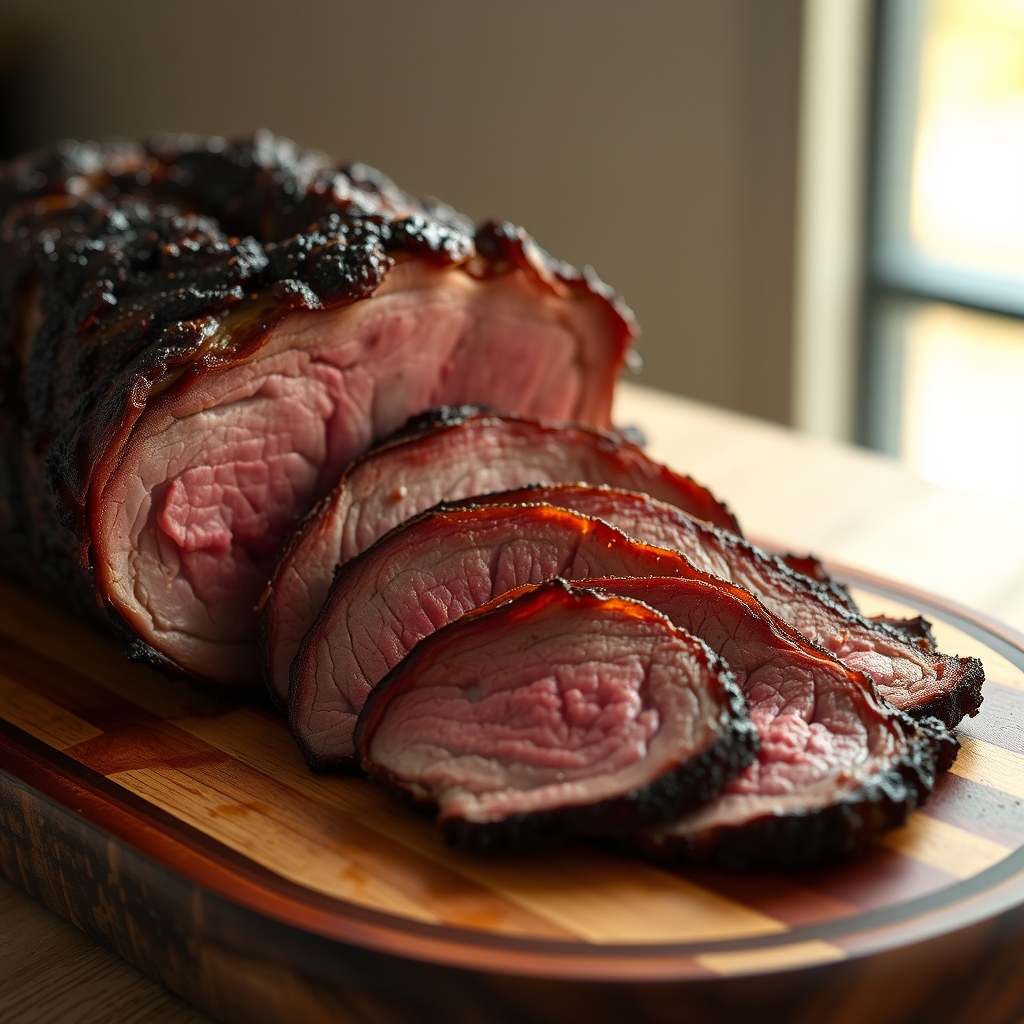
Once rested, unwrap the brisket. You’ll notice a beautiful rendered fat and juices. Separate the flat and the point (they are two distinct muscles). Slice the flat against the grain into pencil-thick slices. The point, being more marbled, can be cut into slightly thicker slices or even cubed for burnt ends. Serve immediately and enjoy the fruits of your labor!
Tips for Brisket Perfection
Wood Selection
Oak is a classic choice for brisket, providing a clean, medium smoke flavor that doesn’t overpower the beef. Hickory offers a stronger, somewhat bacon-like flavor, while mesquite is intense and best used sparingly or for shorter cooks. Experiment to find your favorite smoke profile.
Internal Temperature vs. Time
While 195-205°F is a common target, always prioritize probe tenderness. Brisket is done when it’s tender, not just when it hits a certain temperature. Every brisket is different and will cook at its own pace.
Dealing with a Stubborn Stall
If your brisket is stalling for an unusually long time, don’t be afraid to wrap it earlier. The goal is a tender brisket, and wrapping is a proven method to push through the stall more efficiently.
Serving Ideas
Smoked brisket is incredibly versatile. Serve it straight up with your favorite BBQ sauce on the side. It’s also fantastic in tacos, sandwiches (think chopped brisket sandwiches with slaw), over loaded fries, or alongside classic barbecue sides like mac and cheese, collard greens, and potato salad. Don’t forget to save those rich, flavorful juices from the rest for drizzling over your sliced brisket!
Conclusion
Mastering the art of smoked beef brisket is a journey, but a delicious one. This recipe provides a solid foundation for creating a truly exceptional smoked brisket. Remember to be patient, maintain your smoker’s temperature, and most importantly, enjoy the process. The reward of perfectly smoked brisket is well worth the time and effort. Happy smoking!