Authentic Asian Beef Stew Recipe: A Flavorful Journey
Prep time: 25 minutes | Cook time: 2.5 – 3 hours | Servings: 6-8
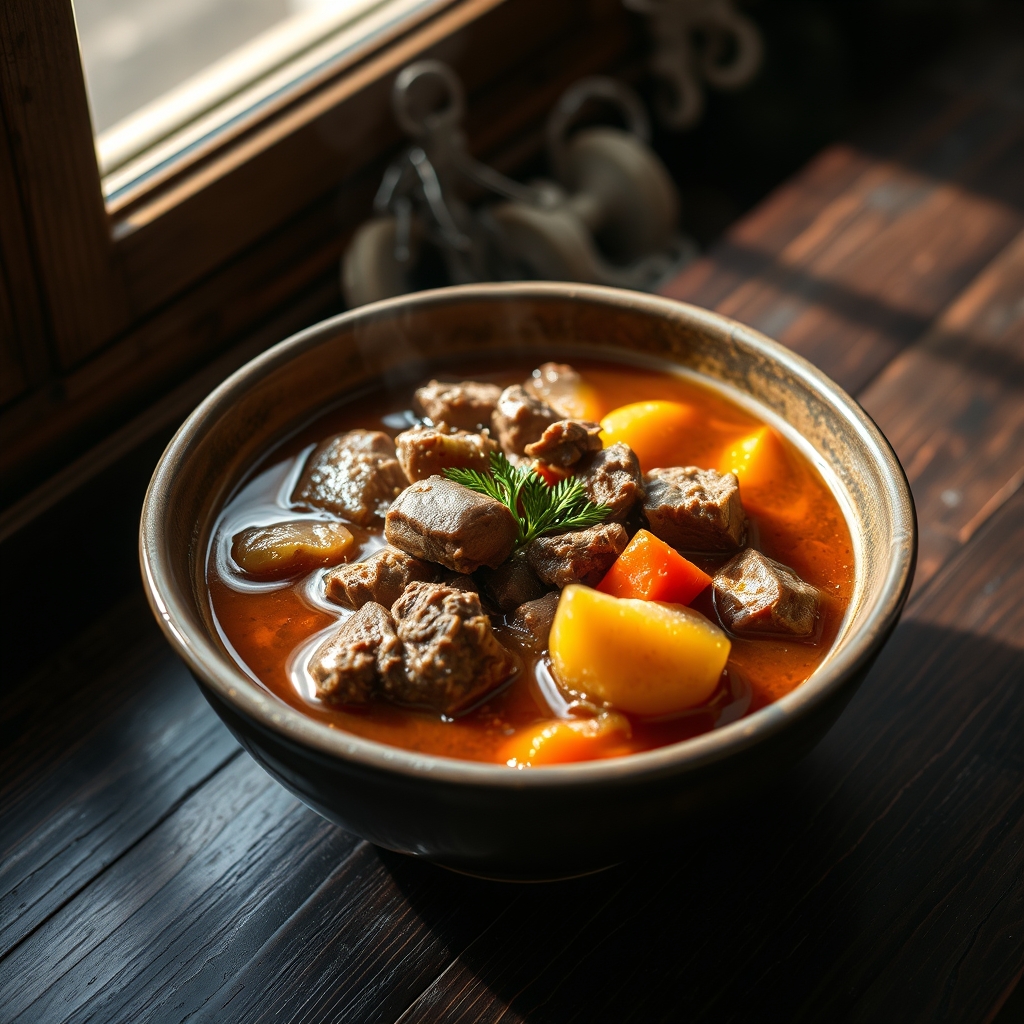
There are some dishes that just warm you from the inside out, and this Asian Beef Stew recipe is one of them. Forget everything you think you know about traditional Western beef stews – this version takes a delightful detour into the vibrant and aromatic world of Asian flavors. We’re talking tender, fall-apart beef infused with savory soy sauce, fragrant ginger, warming star anise, and a hint of sweetness. It’s a comforting classic with an exciting, global twist that’s perfect for a chilly evening or a special family meal.
This stew isn’t just about rich, deep flavors; it’s also incredibly satisfying. The slow braising process transforms tougher cuts of beef into melt-in-your-mouth morsels, while the vegetables absorb all the deliciousness of the broth. It’s a forgiving dish that can simmer away while you get on with your day, filling your home with an irresistible aroma. Prepare to impress yourself and your loved ones with this truly exceptional and deeply flavorful beef stew.
Ingredients
For the Beef and Marinade:
- 2.5 lbs beef chuck roast, trimmed and cut into 1.5-inch cubes
- 1/4 cup soy sauce
- 2 tablespoons Shaoxing wine (or dry sherry)
- 1 tablespoon sesame oil
- 1 teaspoon cornstarch
- 1/2 teaspoon white pepper
For the Stew:
- 2 tablespoons vegetable oil
- 1 large yellow onion, chopped
- 4 cloves garlic, minced
- 1 inch fresh ginger, grated
- 2 star anise
- 1 cinnamon stick (optional, for subtle warmth)
- 1/4 cup soy sauce
- 2 tablespoons dark soy sauce (for color and depth)
- 2 tablespoons oyster sauce
- 1 tablespoon rice vinegar
- 3 cups low-sodium beef broth
- 1 tablespoon brown sugar (or to taste)
- 1 pound baby potatoes, halved or quartered if large
- 2 carrots, peeled and cut into 1-inch chunks
- 1 cup frozen peas
- Fresh cilantro or green onions, for garnish
How to Make It
- Marinate the Beef: In a medium bowl, combine the beef cubes with soy sauce, Shaoxing wine, sesame oil, cornstarch, and white pepper. Toss well to ensure all pieces are coated. Let it marinate for at least 15 minutes at room temperature, or up to 4 hours in the refrigerator. This step tenderizes the beef and adds a foundational layer of flavor.
- Sear the Beef: Heat 1 tablespoon of vegetable oil in a large Dutch oven or heavy-bottomed pot over medium-high heat. Working in batches to avoid overcrowding the pot, sear the marinated beef cubes on all sides until nicely browned. This browning, or Maillard reaction, is crucial for developing deep flavor. Remove the seared beef and set aside.
- Sauté Aromatics: Add the remaining 1 tablespoon of vegetable oil to the same pot. Reduce the heat to medium and add the chopped onion. Cook, stirring occasionally, until softened and lightly golden, about 5-7 minutes. Add the minced garlic and grated ginger, and cook for another minute until fragrant. Be careful not to burn the garlic.
- Build the Broth: Stir in the star anise and cinnamon stick (if using). Pour in the soy sauce, dark soy sauce, oyster sauce, and rice vinegar. Scrape the bottom of the pot to loosen any browned bits. Let this mixture simmer for about 1 minute to meld the flavors.
- Simmer the Stew: Return the seared beef to the pot. Add the beef broth and brown sugar. Stir everything together. Bring the mixture to a gentle simmer, then reduce the heat to low, cover the pot tightly, and let it cook for at least 2 hours, or until the beef is very tender. The longer it simmers, the more tender and flavorful the beef will become.
- Add Vegetables: After the initial simmering period, add the baby potatoes and carrots to the pot. Stir, cover, and continue to cook for another 30-45 minutes, or until the vegetables are tender.
- Finish and Thicken: In the last 5 minutes of cooking, stir in the frozen peas. Taste the stew and adjust seasoning if needed, adding more soy sauce for saltiness, brown sugar for sweetness, or a splash of vinegar for brightness. If the stew is too thin for your liking, you can thicken it by mixing 1 tablespoon of cornstarch with 2 tablespoons of cold water to form a slurry, then stirring it into the simmering stew until thickened. Remove the star anise and cinnamon stick before serving.
Pro Tip: For an even deeper flavor, consider a longer marinating time for the beef. Overnight in the refrigerator will yield incredibly tender and flavorful results. Also, don’t skip the searing step; it’s vital for that rich, savory base.
Tips and Serving Ideas
Vegetable Variations
While potatoes and carrots are classic, feel free to experiment with other root vegetables like parsnips or daikon radish. Mushrooms, such as shiitake or cremini, also add a wonderful umami depth. Add heartier vegetables earlier in the cooking process, and softer ones like cauliflower florets or bok choy during the last 15-20 minutes.
Spice Level Adjustment
If you enjoy a bit of heat, consider adding a dried red chili or a pinch of red pepper flakes along with the aromatics. Adjust the amount to your preferred spice level. A touch of gochujang (Korean chili paste) can also be stirred in for a spicy, fermented kick.
Serving Suggestions
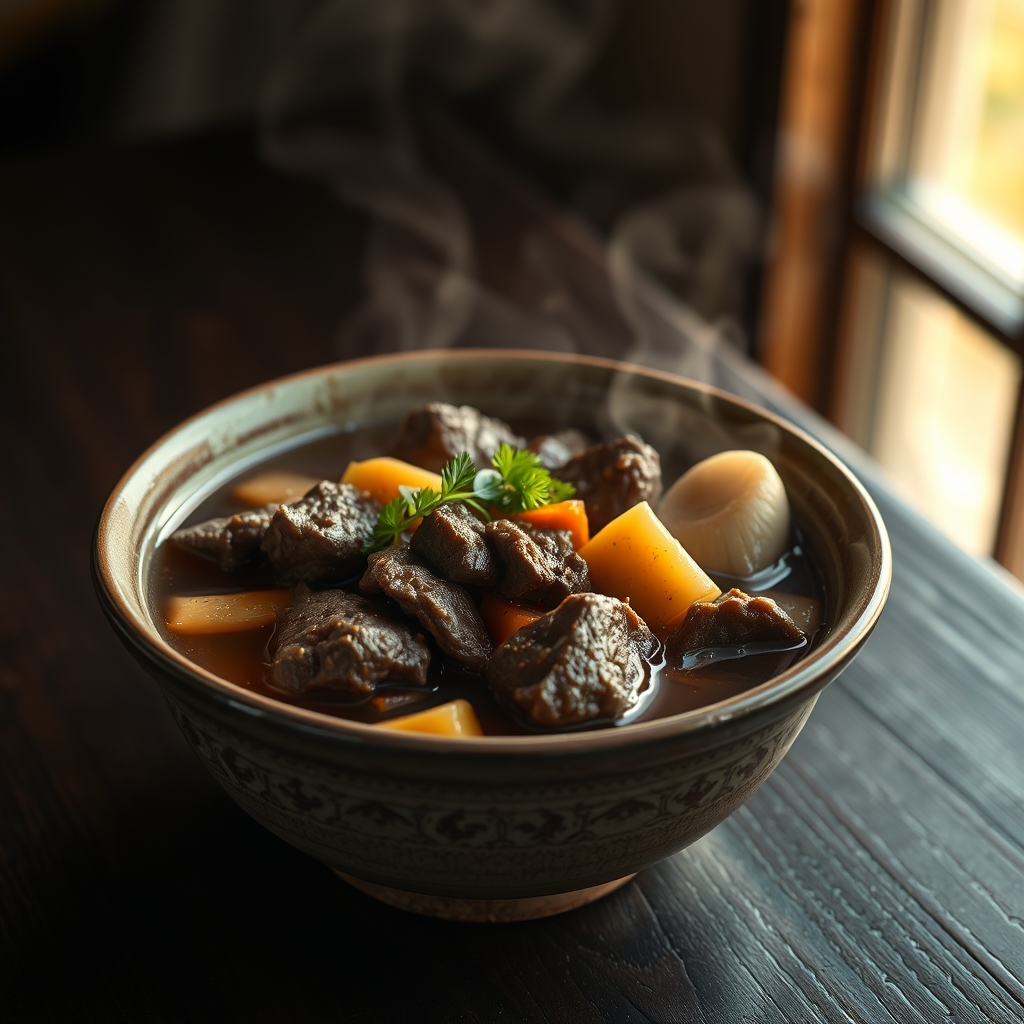
This rich and hearty Asian Beef Stew is wonderfully satisfying on its own, but it pairs beautifully with simple steamed jasmine rice to soak up all that delicious broth. A side of steamed or stir-fried greens, like gai lan (Chinese broccoli) or bok choy, offers a fresh contrast. For an extra touch of authenticity, garnish generously with fresh chopped cilantro and thinly sliced green onions.
A Culinary Adventure in Every Bite
This Asian Beef Stew recipe is more than just a meal; it’s an invitation to explore a world of flavor. The tender beef, infused with aromatic spices and savory sauces, creates a comforting experience that is both familiar and excitingly new. It’s a testament to how simple ingredients, combined with patient cooking, can yield extraordinary results.
Whether you’re a seasoned home cook or just starting out, this recipe is approachable and incredibly rewarding. The process of slowly building flavors, from marinating the beef to the final simmer, is a culinary journey worth taking. So, gather your ingredients, put on your favorite apron, and get ready to create a dish that will become a cherished favorite in your recipe repertoire. Enjoy the warmth, the depth, and the sheer deliciousness of this authentic Asian Beef Stew.